Articles / Subscriptions
The Zombie Subscription Audit: Kill the $5,000/Year Leech
Stop being a voluntary donor to Silicon Valley. Learn how to perform a "financial exorcism" to find and kill the zombie subscriptions quietly costing you thousands a year, the ones you forgot you were even paying for.
How much do forgotten subscriptions really cost?
He is currently paying nineteen dollars a month for a cloud storage service he hasn't logged into since the Obama administration. He is a donor. A voluntary, accidental philanthropist to Silicon Valley. The average American spends two hundred and nineteen dollars a month on subscriptions they’ve forgotten about. Over a decade, that’s twenty-six thousand dollars. That isn't a bill; it's a mid-sized sedan you're setting on fire in your driveway.
Welcome to the Zombie Subscription Economy. It is a system designed by geniuses to exploit the fact that you are slightly too busy to spend forty minutes fighting a chatbot named 'Sparkle' just to cancel a gym membership. Today, we perform a financial exorcism. We are going to find the zombies, kill the zombies, and reclaim the five hundred dollars a month you're bleeding. Because inertia is the most expensive luxury you own.
How do inertia pricing and shadow subscriptions work?
Phase One: The Discovery. We start with the 'Inertia Pricing' trap. This is where a company hooks you with a three-dollar trial, then waits for you to lose interest before jacking the price to twenty. They know that for most people, the effort of canceling is psychologically more painful than the loss of twenty dollars. It’s a 'convenience tax' on your own exhaustion. And it's working perfectly.
But it gets worse. Meet the 'Shadow Subscriptions.' These are the ones billed through third parties, Apple, Google, or Amazon, that don't even show up on your main service login. They are the ghosts in the machine.
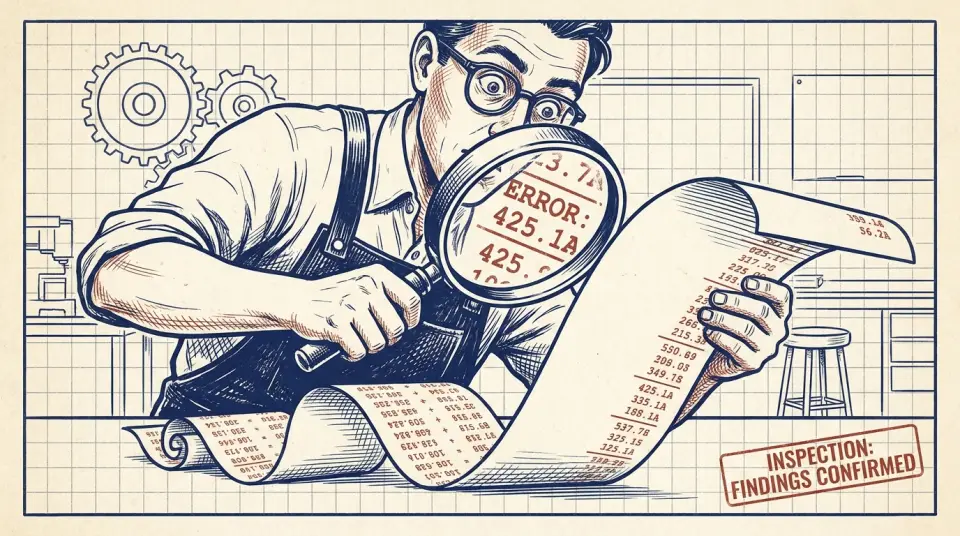
To kill a ghost, you need to see it. Open your banking app. We aren't looking for the big bills; we're looking for the 'papercut' charges. The 9.99s. The 14.99s. The recurring 4.99 'support' fees.
Ledger Entry One: Identification. If you haven't used a service in thirty days, it is no longer a tool. It is a parasite. Total potential recovery: one hundred and eighty dollars per month.
What do you do when the cancel button is missing?
Phase Two: The Execution. You try to cancel. You click the button. But wait, the button isn't there. You’ve entered the 'Cancellation Maze,' a masterpiece of Dark Pattern engineering. Suddenly, the software starts bargaining. 'Are you sure?' it asks, showing you a picture of a sad puppy or a lonely algorithm. It offers you two months free. Do not blink. This is a hostage negotiation.
If the maze is too complex, we use the nuclear option: The Virtual Card. Services like Privacy.com allow you to create a digital card for a specific subscription. When you're done, you simply delete the card. The company tries to bill you. The card is dead. The transaction fails. They send you an email. You ignore it. You have just achieved 'Passive Cancellation.' It is the most satisfying feeling in modern finance.
Why is streaming the biggest zombie subscription?
Now, let’s talk about the biggest zombie of them all: The Streaming Racket. We are currently living in the 'Great Fragmentation.' You need six services just to watch one show on each.
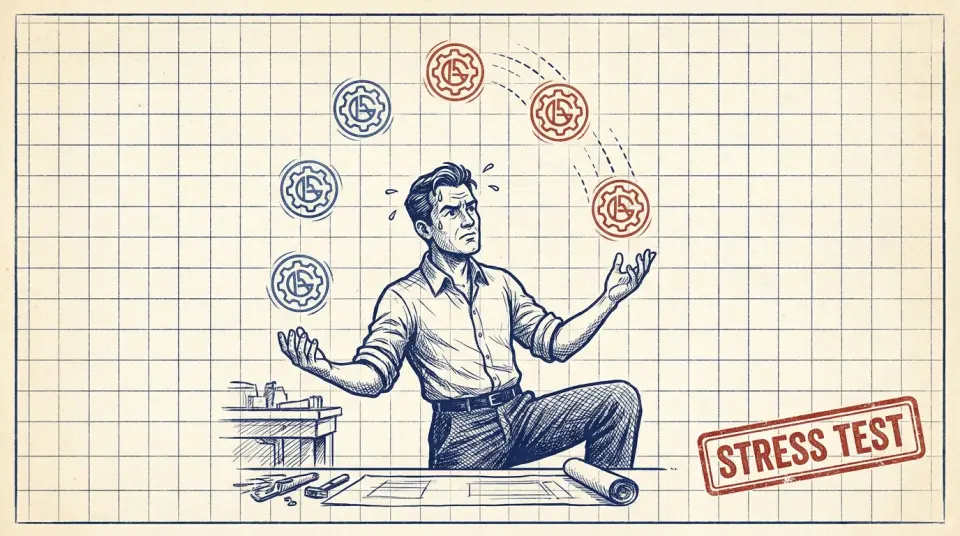
We’ve traded the 'evil' cable company for ten smaller, equally hungry cable companies. It’s the same price, but now you have ten different passwords to forget. It’s not progress; it’s just better marketing. But what if you owned your media? What if you weren't a digital tenant, but a digital landlord? This is where the 'Owned Life' philosophy shifts from a budget hack to a lifestyle.
Consider the Library. Not the building with the dust, but the digital powerhouse. Apps like Libby and Kanopy give you access to thousands of movies and books for the low price of: Zero. Dollars. And then there’s the Over-the-Air Antenna. For twenty dollars once, you get high-definition local sports and news forever. No login. No 'Plus' tier. Just signal from the sky, like the gods intended.
For the hardcore, there is Jellyfin or Plex. You buy the hard drive. You buy the movie once. You host the server. You are now the CEO of your own Netflix. The monthly bill? Zero. The feeling of power? Infinite. Ledger Entry Two: Content Strategy. By rotating one service at a time and using free alternatives, the average household saves eighty dollars a month. Total reclaimed: two hundred and sixty dollars.
Is the annual plan discount a trap?
But wait, it gets worse again. We need to talk about 'The Annual Trap.' This is when you pay for a year upfront for a discount that only saves you money if you actually use the service every month. If you use a 'Masterclass' subscription for two weeks and then forget it exists, you haven't saved forty percent. You’ve donated a hundred dollars to a corporation that already has plenty of money.
How do you run a 20-minute subscription audit?
Phase Three: The 20-Minute Audit. This is the ritual. You do this once a quarter. Set a timer. Open your bank statement and your 'Subscriptions' tab on your phone simultaneously.
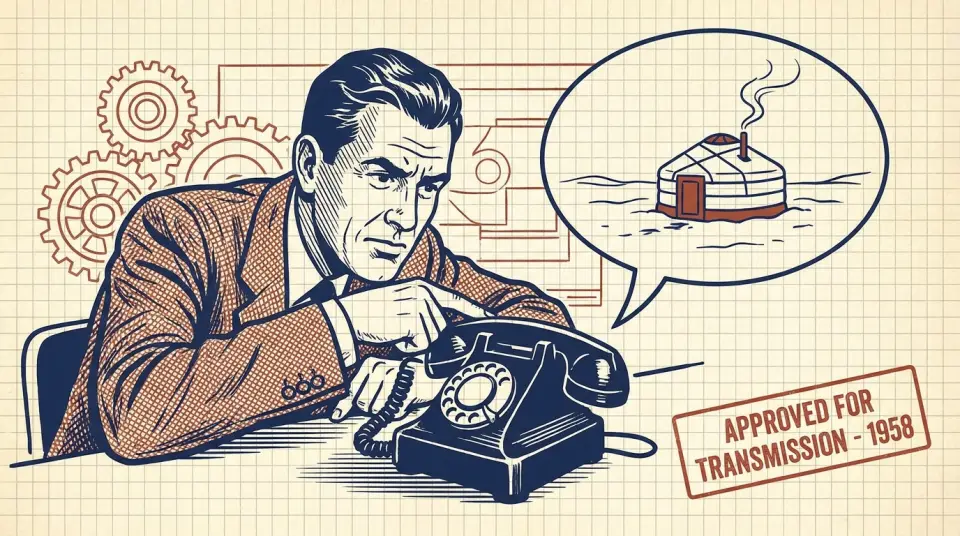
Go through every line. If you see a charge you don't recognize, it’s not an error. It’s a zombie. Kill it immediately. Use a 'Cancellation Script' if you have to call: 'I am moving to a yurt in Mongolia and I don't have internet.' Do not argue. Do not explain. Just repeat: 'Cancel the account.' Companies spend millions on 'retention specialists' whose only job is to make you feel guilty for not wanting a monthly sock delivery.
Next, consolidate. Do you really need Spotify, Amazon Music, and YouTube Premium? Pick one. It’s music. It all sounds the same when you’re stuck in traffic. Look at your 'Pro' apps. Are you actually a 'Pro'? Or are you just paying four dollars a month for a photo editor that removes pimples once every six months? Use the free version. Embrace the pimple.
How does one card for all subscriptions help?
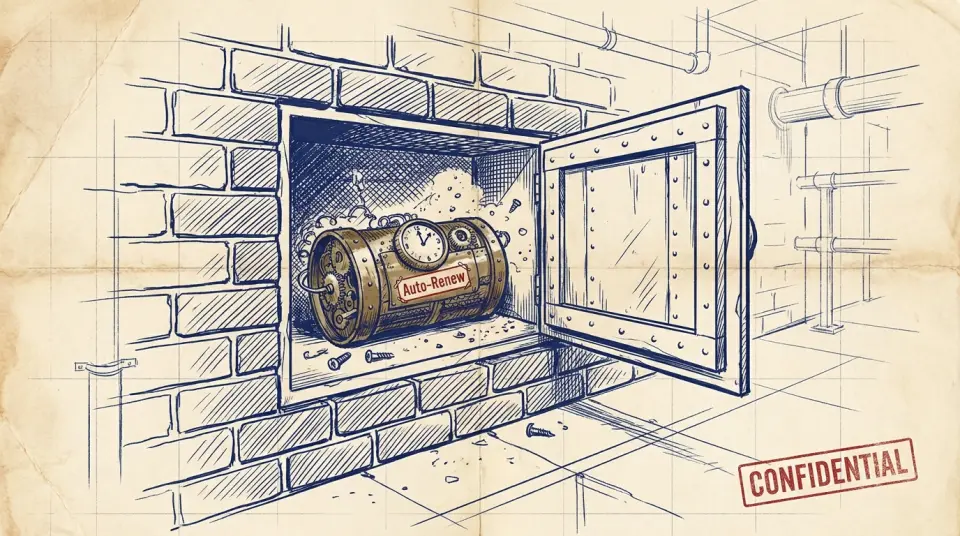
Now, the 'Open Loop' payoff. That 'Invisible Recurring Debt' I mentioned? It’s the auto-renewing insurance and software licenses you've set to 'autopay' from an old credit card. These are the zombies that survive even when you change banks. They follow you. They go to collections. They are the high-level bosses of the subscription underworld. The fix: One card for all subscriptions. When that card expires, every zombie dies at once. You then manually choose which ones to resurrect. It’s like a financial 'Day of Judgment.'
This puts the power back in your hands. You are no longer the 'user.' You are the customer. There is a profound difference. Ledger Entry Three: The Purge. By using a single-card fail-point and killing 'Shadow Subs,' the average audit uncovers another one hundred dollars. Total reclaimed: three hundred and sixty dollars. That’s four thousand three hundred dollars a year. That is a vacation. That is a massive dent in a mortgage. That is your freedom, sold back to you in ten-dollar increments.
Why you should never hand over a card for a free trial
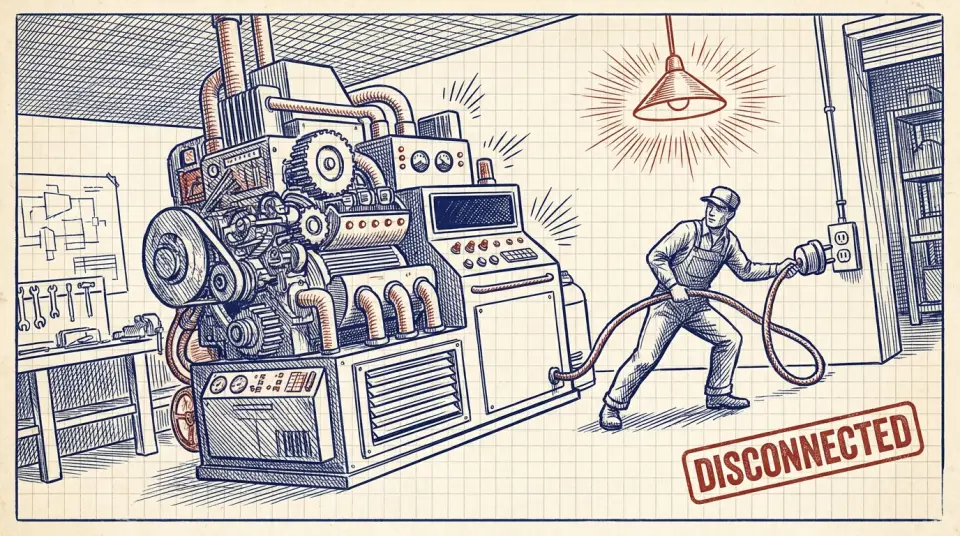
We have been conditioned to believe that 'convenience' is free. It isn't. It is the most expensive commodity in the world. But now, you know how the machine works. You've inspected the parts. You've found the leaks. You've tightened the valves. Your financial engine is now running lean, clean, and entirely for your benefit. Remember: Every time a company asks for your credit card for a 'free trial,' they aren't giving you a gift. They are asking for a key to your house. Don't give it to them.
Instead, look for the 'Owned' alternative. Buy the software. Buy the book. Buy the movie. It might cost more today, but it’s free forever. That is the math of the wise. Go forth. Perform your audit. Kill your zombies. And enjoy the quiet, beautiful silence of a bank statement that doesn't look like a grocery list for a tech giant.
The Owned Life is waiting. It’s a bit more work at first, but the view from the top of your own saved capital is much better than the view from inside a subscription maze. Final Ledger Entry: Total monthly bleed stopped. Total annual wealth retained. The system is deactivated. You are now the operator.
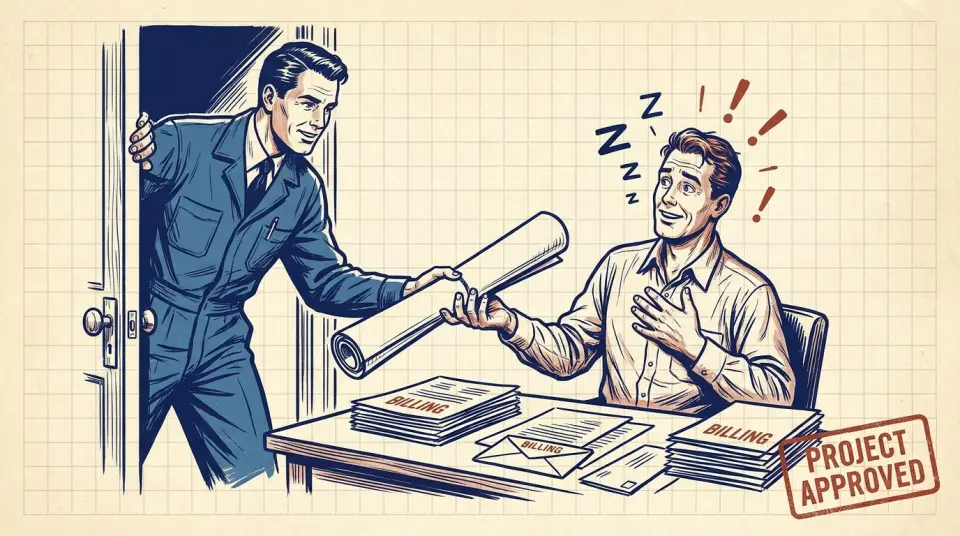
If you found this audit helpful, consider sharing it with someone who is currently paying for three different meditation apps. They probably need the help. Check the links below for the Owned Life Directory and the tools mentioned today. Your future self, the one with the extra twenty thousand dollars, will thank you. And remember: In a world of digital tenants, the man who owns his tools is king. Or at least, the only one who isn't being billed for the privilege of sitting in his own chair.
Watch this one on YouTube or subscribe to the channel for the next breakdown.