Articles / Subscriptions
Your Gym Membership Is Designed for You to Quit
A typical gym sells thousands more memberships than it has room for, because it's betting you won't show up. That's the 'breakage' business model: they profit most from the people who pay and never come. Here's exactly how the trap is built (the forgettable fee, the January high, the cancellation maze) and how to stop funding your own guilt.
Why does a gym sell 6,000 memberships for 300 spots?
A typical gym has room for maybe three hundred people at once. So why does it happily sell six thousand memberships? Because it is betting, correctly, that most of you will never show up. Your gym is not selling you fitness. It is selling you guilt, and guilt pays monthly.
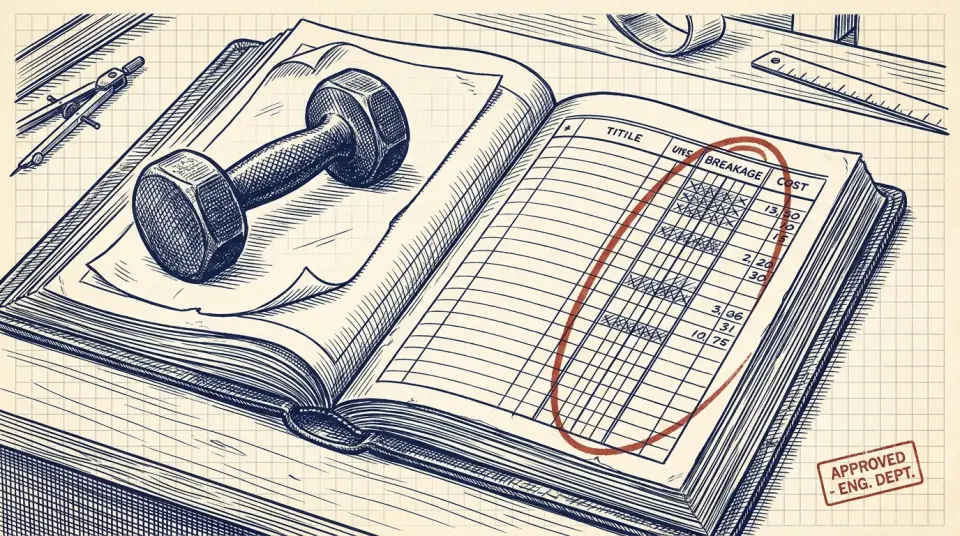
This is the business of 'breakage', the money a company makes from things you paid for but never used. And the gym industry has quietly turned it into an art form.
Why do gyms want members who never show up?
Here is the number that gives the whole game away. Studies suggest around half of new gym members quit within six months, but most keep paying for far longer. The gym's ideal customer is not the person sweating on the treadmill. It is the person who signed up full of hope in January and has not walked in since.
Think about what that actually means for the maths. If a gym only sold memberships to people who truly came, it would need far fewer members and charge each of them a fortune. Instead it floods the books with no-shows, keeps the monthly fee low enough to feel painless, and lets simple forgetfulness do the rest.
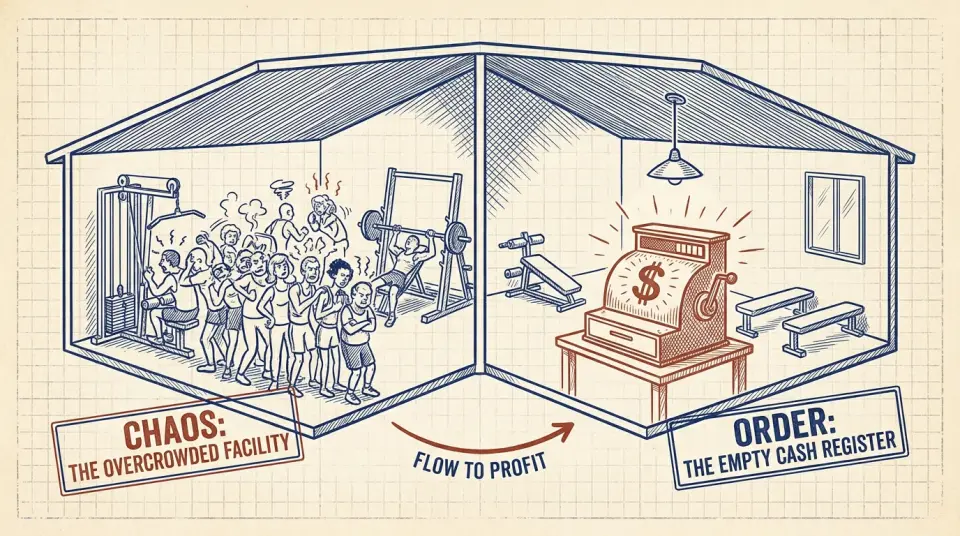
And that is not a side effect, it is the model. A gym that was genuinely full every day would be a nightmare: queues for every machine, nowhere to move, members quitting out of frustration. Empty treadmills are not a failure of the business. Empty treadmills, with full bank accounts, are the business.
Why is the fee forgettable and the contract so long?
The fee itself is engineered to be forgettable. Thirty, forty dollars a month is small enough to slip under your radar, too annoying to bother cancelling, too small to really notice leaving. It is the exact same psychology as every subscription: make the pain of each month smaller than the hassle of walking away.
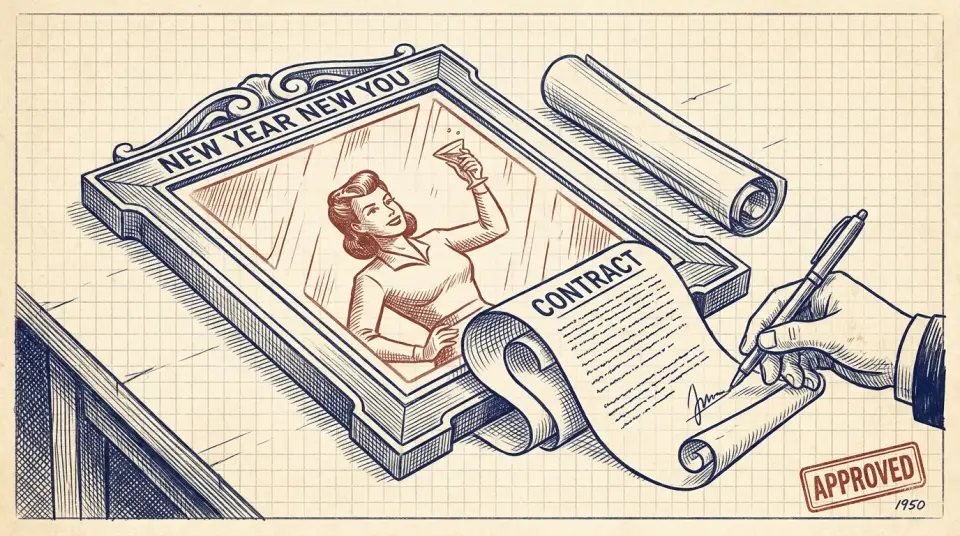
Then comes the sign-up high. January rolls around, you picture a brand new version of yourself, and the gym sells you that feeling at full price. The contract is twelve or twenty-four months long, locked in while your motivation is highest, precisely because they know that motivation is the one thing guaranteed to fade.
Why is it so hard to cancel, and what does a visit cost?
And when you finally try to leave, you hit the cancellation maze. Many gyms let you join in thirty seconds online, but to quit you must mail a certified letter, show up in person during narrow office hours, or survive a 'retention specialist' whose entire job is to talk you out of it. Easy in. Deliberately hard out.
Every one of those obstacles is small on its own. Together, they are designed to make 'I'll sort it out next month' your permanent answer, and next month never comes. The friction is not an accident or bad customer service. It is a feature, carefully tuned to keep the breakage flowing.
Do you go often enough to justify a membership?
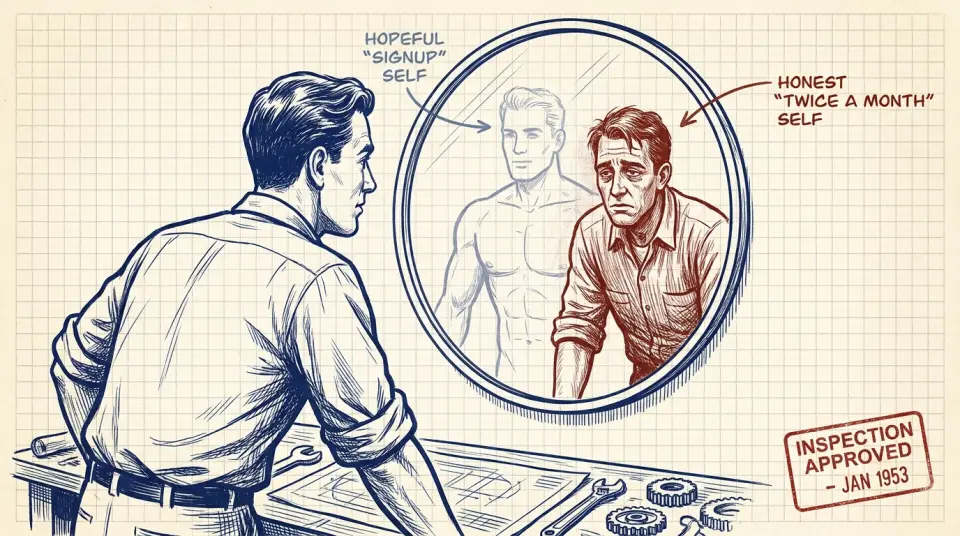
So how do you stop funding your own guilt? Start by being brutally honest about your real frequency, not the version of you that signed up, the one that actually exists. If you genuinely train three or more times a week, a membership can be fair value. If you don't, you are almost certainly better off paying another way.
Is paying per visit cheaper than a membership?
Option one: pay per visit. Many gyms and classes offer day passes or punch cards. No contract, no breakage, no retention specialist, you only hand over money when you actually show up and train. If your attendance is patchy, this almost always ends up cheaper, and it quietly kills the guilt.
Can you own a gym instead of renting one?
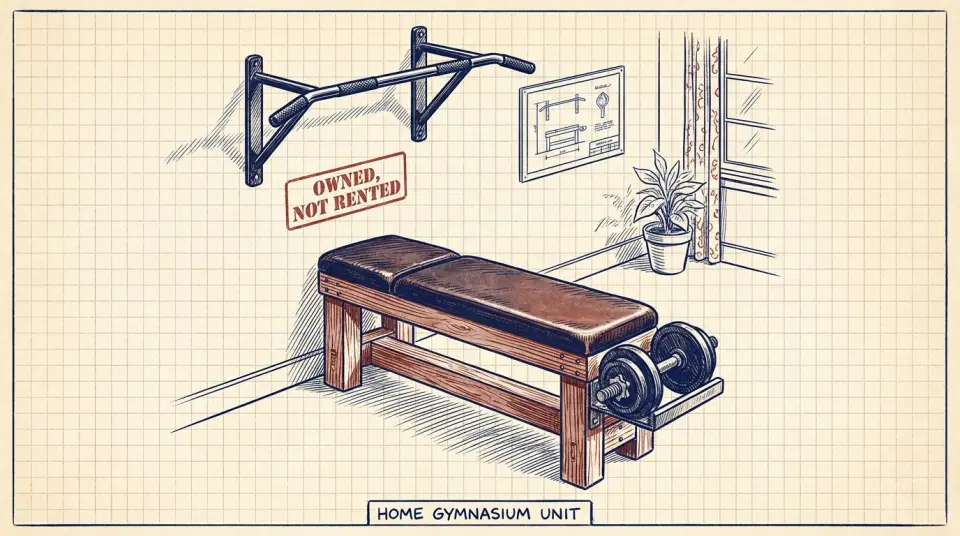
Option two: own your gym instead of renting one. A set of adjustable dumbbells, a pull-up bar, a bench, and a kettlebell is a one-time cost that often pays for itself in under a year, and it never sends you a cancellation maze. You own it outright. It cannot cancel you, and you never have to cancel it.
How do you make leaving easy before you need to?
And if you do keep a membership, make leaving easy before you ever need to. Read the cancellation terms on day one, set a calendar reminder a month before any auto-renewal, and know exactly what the gym requires to let you go. The trap only works on people who find out the rules too late.
Because here is the uncomfortable thing the industry worked out long ago: there is more money in your good intentions than in your actual results. They are not really selling you a healthier body. They are selling you the feeling of having bought one, and billing you every single month for the privilege.
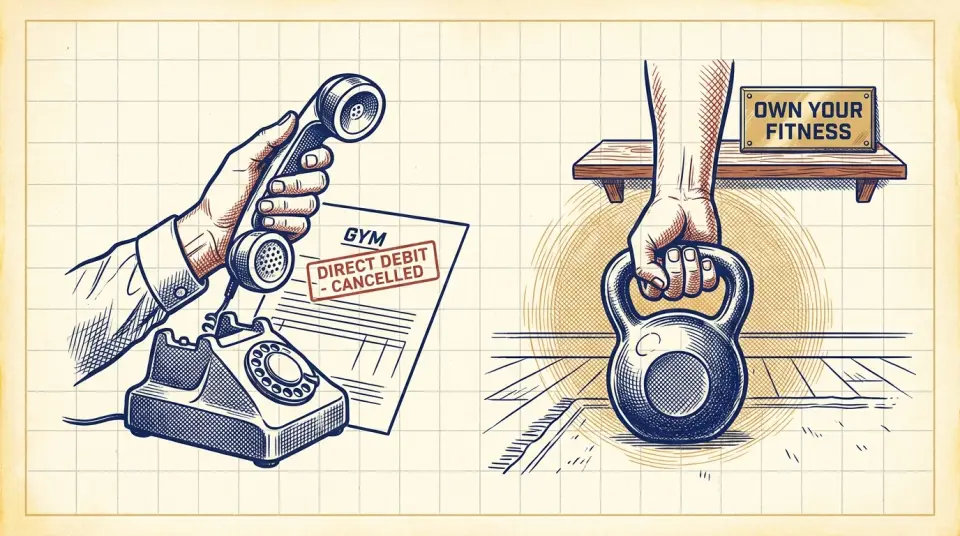
So do the honest math this month. If you are paying for a gym you are not using, you are not lazy and you are not weak-willed, you are simply the customer they designed for. Cancel it, switch to pay-per-visit, or own your kit. Spend your money on the workout you actually do, not the guilt you keep paying to store.
Watch this one on YouTube or subscribe to the channel for the next breakdown.