Articles / Subscriptions
The Subscription Trap: Why You No Longer Own Anything
The subscription economy has transformed from a convenience into a 'tax on memory.' From Adobe's pivot to BMW's heated seats, we explore the mechanics of how you're being turned into a lifelong tenant.
The first subscription and what we pay today
In the year 1622, a small group of Londoners began paying a recurring fee for a weekly pamphlet called the Weekly Newes. It was the first recorded subscription in history. For the price of a few pence, information was no longer a one-time purchase, but a continuous stream delivered to your door. Four centuries later, that stream has turned into a flood. Today, the average American spends roughly two hundred and nineteen dollars every single month on subscriptions. That is over twenty-six hundred dollars a year for things we used to buy once and keep forever.
For decades, the subscription model was a niche convenience. It was for the milkman, the newspaper boy, and the local gym. It relied on a physical logistics machine. If you didn’t want the milk, you stopped the delivery. The friction was low, and the value was tangible.
How Adobe turned software into rent
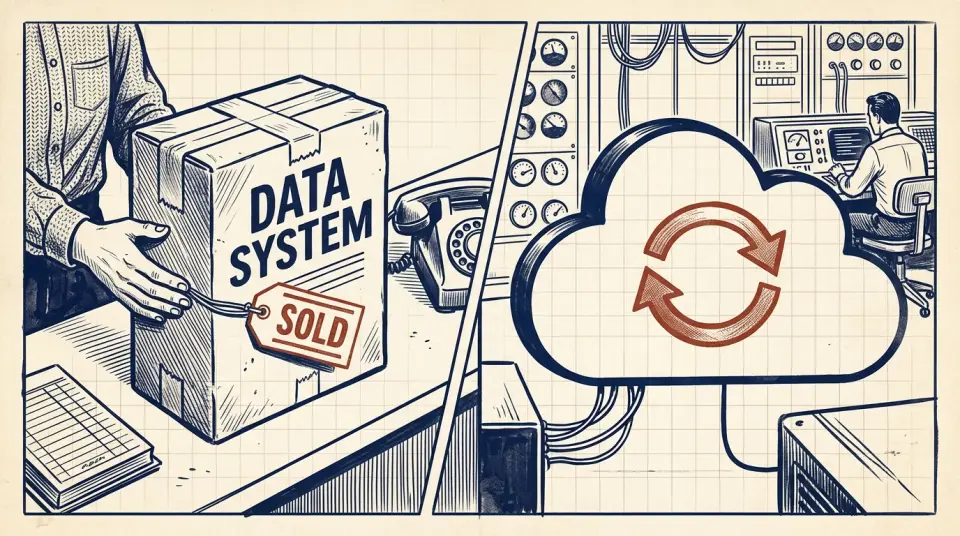
But in the late nineties, the machine changed. Software companies realized that selling a CD-ROM for five hundred dollars was a one-time win. But renting that same software for fifty dollars a month was a lifetime annuity. This is the birth of the invisible tax. The real earthquake happened in 2011. Adobe, the giant behind Photoshop, announced they were killing their perpetual licenses. You could no longer buy the software for twenty-five hundred dollars. Instead, you had to pay fifty dollars every single month, forever.
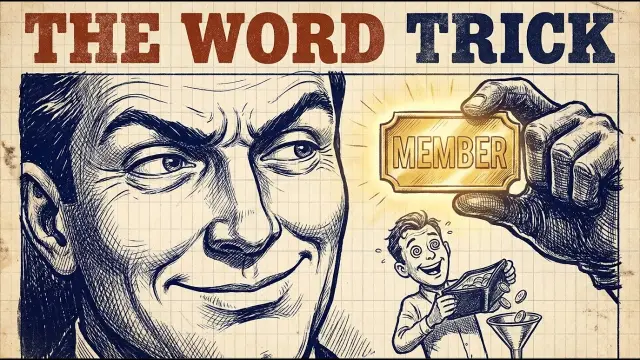
Wall Street loved it. Adobe’s stock price didn't just grow; it exploded. They proved that you could force your most loyal users into a recurring payment loop, and most of them would simply comply because the alternative, switching their entire workflow, was too painful. This is the 'Subscription Pivot', a mechanical shift in how a business breathes. By removing the 'buy' button, Adobe turned their customers from owners into tenants. Ledger entry: One-time revenue of twenty-five hundred dollars replaced by an infinite revenue stream of six hundred dollars per year.
Why companies want subscribers who forget to cancel
Why do companies crave this? It’s a math problem called Customer Lifetime Value, or CLV. If it costs a company one hundred dollars in marketing to get you to sign up, they are 'in the red' for the first few months. But once you hit the break-even point, every month after that is pure, predictable profit. In a subscription machine, the goal isn't to sell a great product. The goal is to reduce 'churn', the rate at which people remember to cancel.
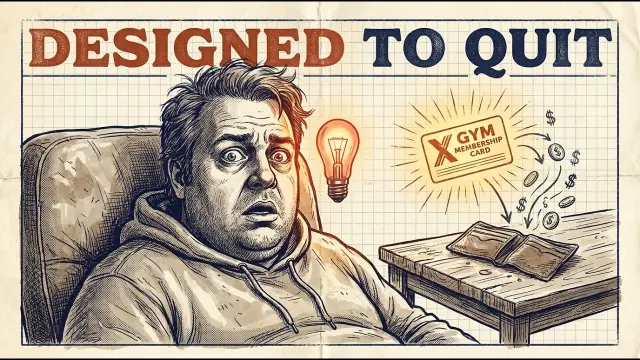
Consider the gym model. A typical gym can physically hold about three hundred people. But they often have over a thousand active memberships. They are betting on the fact that you will pay your thirty dollars a month and never actually show up. This is a tax on human psychology. We are optimistic about our future selves. We sign up for the language app for ten dollars a month, convinced we’ll be fluent by summer. Three years later, we’ve spent three hundred and sixty dollars and haven't opened the app since Tuesday.
Heated seats and printer ink on subscription
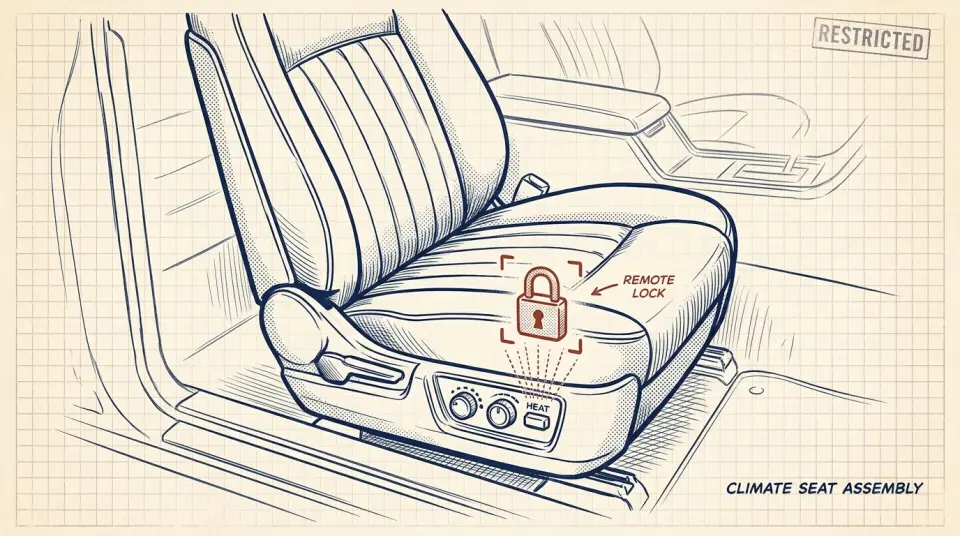
The logic has now spread to hardware. BMW made headlines by offering a subscription for heated seats in certain regions. The heating elements are already in the car. You bought them. But to turn them on, you have to pay eighteen dollars a month.
The heated seat example reveals the ultimate goal: the 'rent-seeking' economy. If a company can charge you for a feature you already physically own, they have achieved the perfect business model. It is pure margin with zero additional cost to them. Even printers have joined the fray. HP’s 'Instant Ink' service monitors your usage. If you stop paying the monthly fee, which can be as low as one dollar, the ink cartridges you already have in your house will simply stop working.
This is the 'Bricking Strategy.' By tethering physical goods to a cloud server, companies ensure that you never truly own the hardware. You are merely licensing the right to use it. Ledger entry: A sixty-dollar ink purchase replaced by a ninety-six dollar annual 'printing permit.'
What small subscriptions cost over ten years
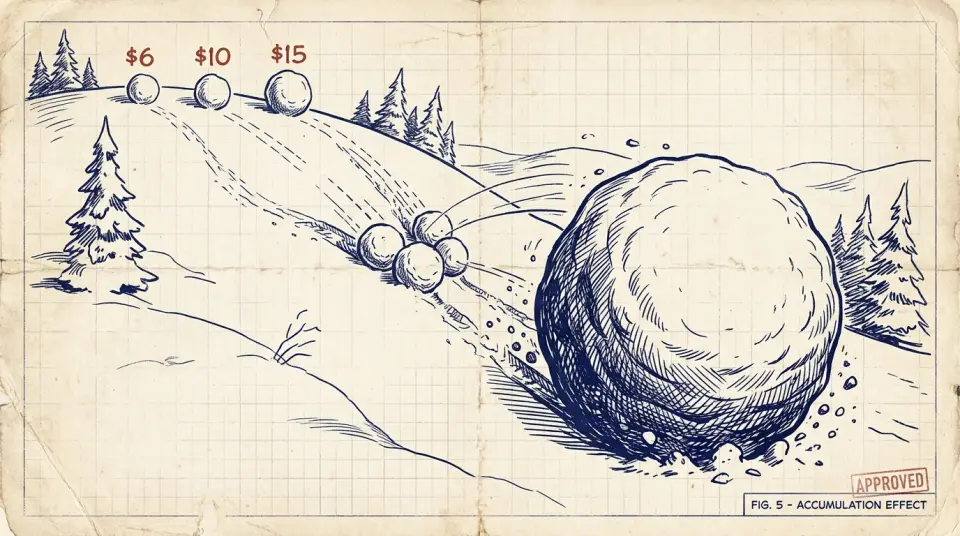
The compounding effect of these 'tiny' costs is where the real damage happens. A six-dollar streaming service sounds like nothing. But when you add the ten-dollar music app and the fifteen-dollar cloud storage, the snowball begins to roll. Let's look at the math over a decade. If you spend one hundred dollars a month on subscriptions that you could have bought once, that is twelve thousand dollars over ten years. If that money were invested instead, it would be closer to eighteen thousand.
Which dark patterns keep you subscribed?
The subscription economy also relies on 'Dark Patterns.' These are user interface designs intended to trick you. Think of the service that lets you sign up in one click, but requires a phone call to a retention agent in a different time zone to cancel. Or the 'Free Trial' that asks for your credit card upfront. They aren't giving you a gift; they are buying your forgetfulness. They know that a significant percentage of people will simply miss the seven-day window.
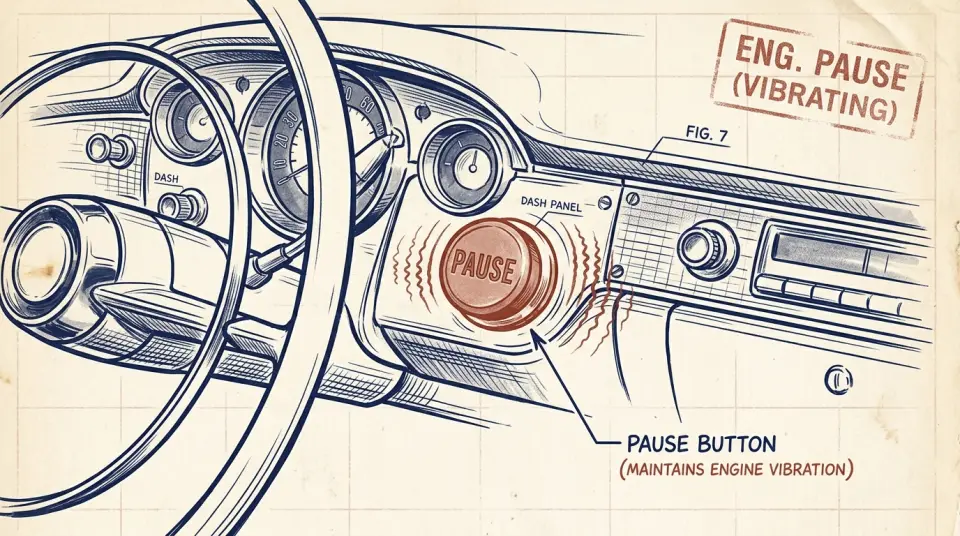
Even the 'Pause' button is a tactic. By letting you pause instead of cancel, they keep your data and your payment method on file. It keeps the friction of returning to zero. They are keeping the engine idling while you think you’ve turned it off.
Amazon Prime and subscription fatigue
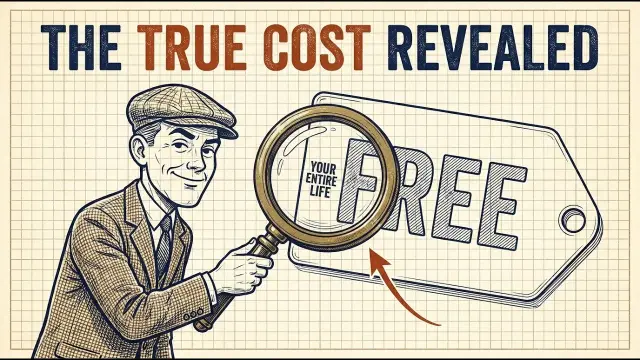
We are now seeing the 'Subscription of Subscriptions.' Amazon Prime is the ultimate example. You pay one hundred and thirty-nine dollars a year just for the right to spend more money more conveniently. It is a subscription to a shopping mall. The logic is simple: once you've paid the entry fee, you feel an psychological urge to 'get your money's worth.' This leads to more spending, which feeds the machine more data, which allows them to refine their price points even further.
This leads to a phenomenon called 'Subscription Fatigue.' As of last year, nearly half of consumers felt overwhelmed by the number of services they manage. When everything is a service, nothing feels like a choice anymore. But for the corporations, this fatigue is a feature, not a bug. In a world of 'choice paralysis,' most people take the path of least resistance, which is to keep paying. Ledger entry: Consumer mental load increased; corporate cash flow stabilized.
How to cut subscriptions with break-even maths
So, how do we fight the machine? The first step is to recognize the 'Break-Even Point.' Before signing up, ask: how many months of this service equals the cost of buying a permanent alternative? If the answer is less than two years, the subscription is a trap. Take photo editing. You could pay twenty dollars a month for a professional suite, or you could pay ninety-nine dollars once for a high-quality competitor. In just five months, the one-time purchase becomes free by comparison.
Second, adopt a 'Zero-Base' subscription policy. Once every six months, cancel every single non-essential service. If you truly miss one, you can resubscribe. You will be shocked at how many you never actually think about again.
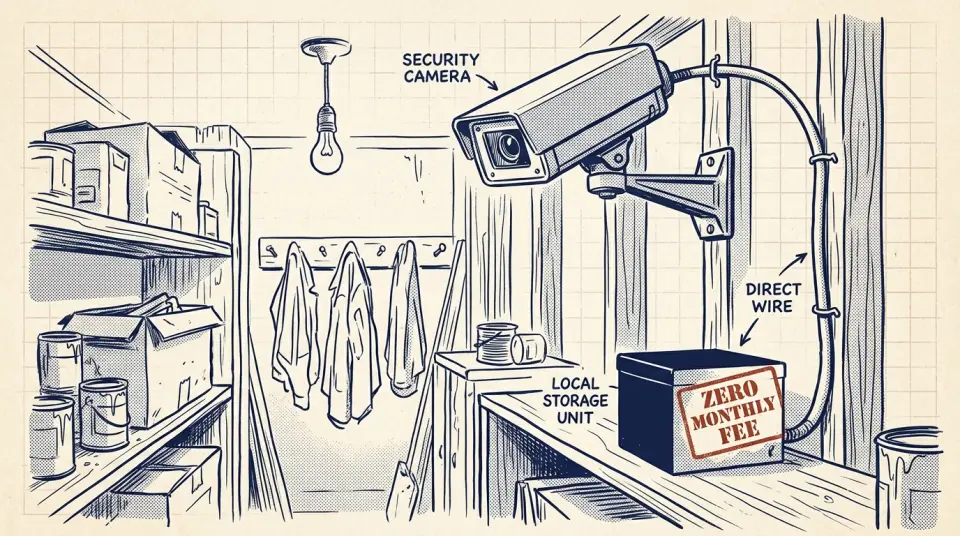
Third, look for 'Local-First' hardware. Instead of a security camera that requires a three-dollar monthly cloud fee to save clips, buy a system that records to a hard drive in your own closet. You pay once, and you own the data. This isn't just about saving ten dollars here and there. It is about agency. When you own your tools, they cannot be taken away if a company changes its terms of service or goes bankrupt. You are no longer a tenant in your own life.
The history of subscriptions is the history of corporations learning to bypass our natural 'spending' friction. They have replaced the high-stakes 'Purchase' with the low-stakes 'Enrollment.' In 1622, a subscription was a way to get information that was hard to find. In 2024, it is a way to lock you into an ecosystem that is hard to leave. The 'convenience' they sell is often just a mask for 'dependence.'
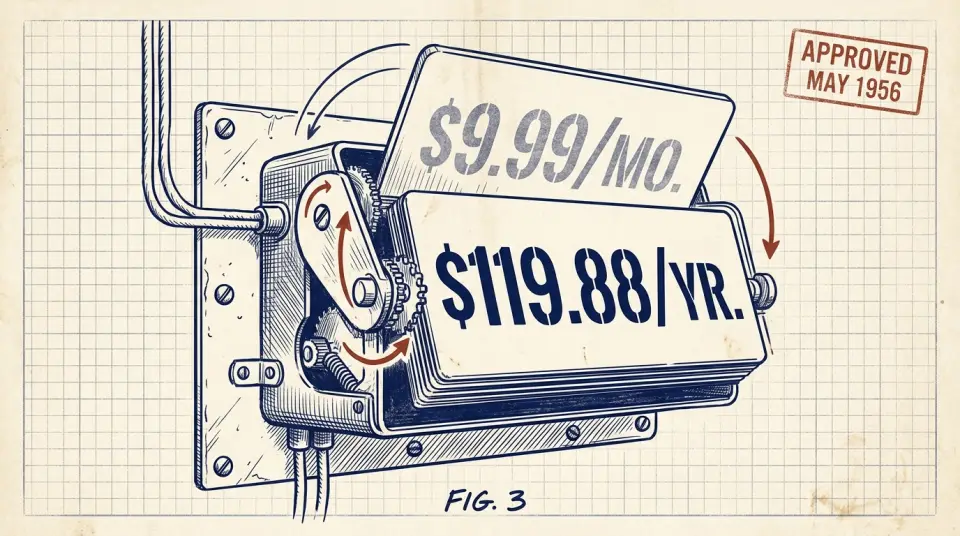
The machine thrives on your inattention. Every time you see a monthly price, multiply it by twelve in your head. That is the real cost of the invitation. If the 'Yearly' price doesn't feel worth it, the 'Monthly' price is a lie. Ownership is becoming a radical act. Buying the DVD, the physical book, or the perpetual software license is a way of saying that your future cash flow belongs to you, not to a board of directors. Ledger entry: Total control over assets restored.
We may never go back to the world of 1622, but we can stop the flood. Choose what you rent carefully, and own the rest. Because in the subscription economy, the only way to win is to stop playing the game.
Watch this one on YouTube or subscribe to the channel for the next breakdown.