Articles / Subscriptions
Why Everything Is Suddenly a 'Membership'
Your car, your heated seats, even mattresses now come with a 'membership.' Companies could call them subscriptions, but 'membership' works better on your brain. Here's the psychology behind why everything became something you join instead of buy: the word itself, the endowment effect, sunk cost, engineered friction and fake status, plus the tests and moves that break the spell for good.
Why is everything suddenly a membership?
Your car now has a membership. Your heated seats have a membership. There is a mattress you can join, a coffee machine with a loyalty tier, and software you can only rent. Somewhere in the last decade, 'buying things' quietly turned into 'joining things', and it was not an accident. It was a choice, made in marketing meetings, because it works on your brain.
Here is the strange part. Companies could call these things 'subscriptions', but more and more, they call them 'memberships'. Same monthly charge, different word. And that single word swap is one of the most effective psychological tricks in modern business.
Why does the word membership work on you?
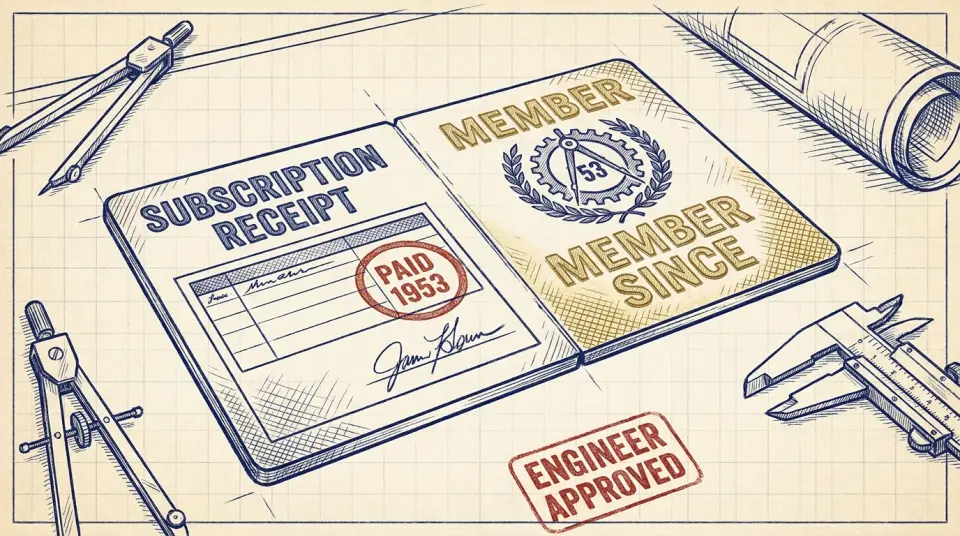
Start with the word itself. 'Subscription' sounds like a bill. 'Membership' sounds like belonging, a club, an identity, a tribe you are part of. One feels like money leaving your account. The other feels like you are someone. Companies learned that people will happily pay to belong long after they have stopped paying attention to the cost.
What three psychological forces keep you paying?
Then they stack on three quiet forces from psychology. The first is the endowment effect: once something feels like 'yours', your account, your profile, your saved settings, your playlists, you value it more and dread giving it up, even if you are only renting it. They let you decorate the cage until it feels like home.
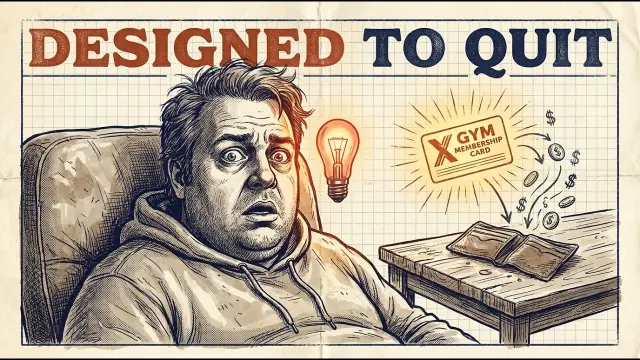
The second is the sunk-cost trap. Two years into a membership, cancelling feels like admitting all that money was wasted, so you keep paying to protect a decision you already regret. The membership does not have to be worth it going forward. It just has to make leaving feel like a loss, and your own past payments do the rest.
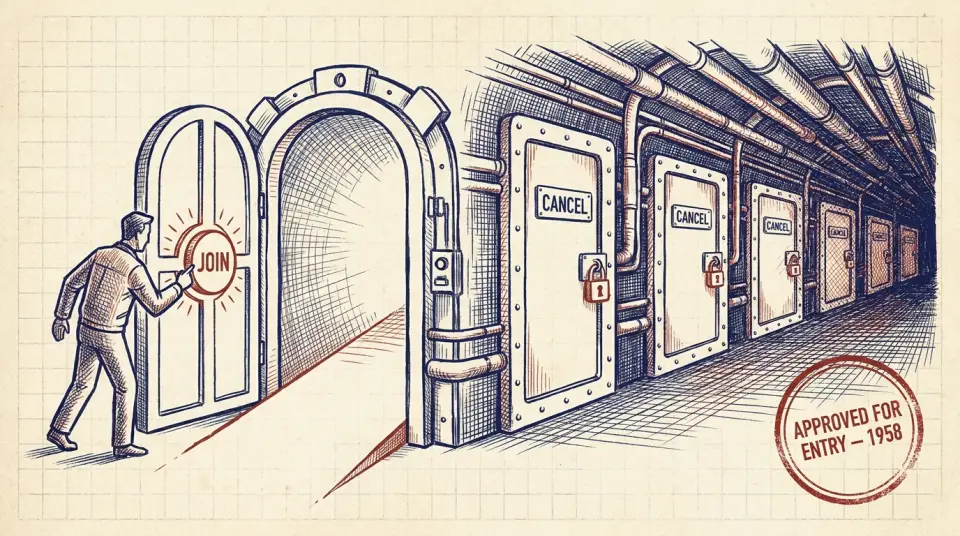
The third is friction, the tiny, deliberate hassle of leaving. The signup is one joyful click. The cancellation is buried five menus deep, or hidden behind a phone call during office hours. Each obstacle is small on its own, but together they are designed to make 'I'll deal with it later' your permanent answer.
How does status make a recurring charge feel like a reward?
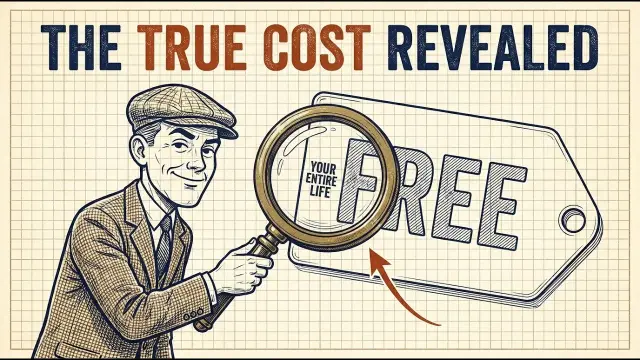
And they dress the whole thing in status. 'Gold tier.' 'Founding member.' 'Priority access.' These are not features you need, they are little hits of feeling important, handed out to make a recurring charge feel like a reward. You are not being served. You are being flattered into forgetting the meter is running.
What are companies renting you now?
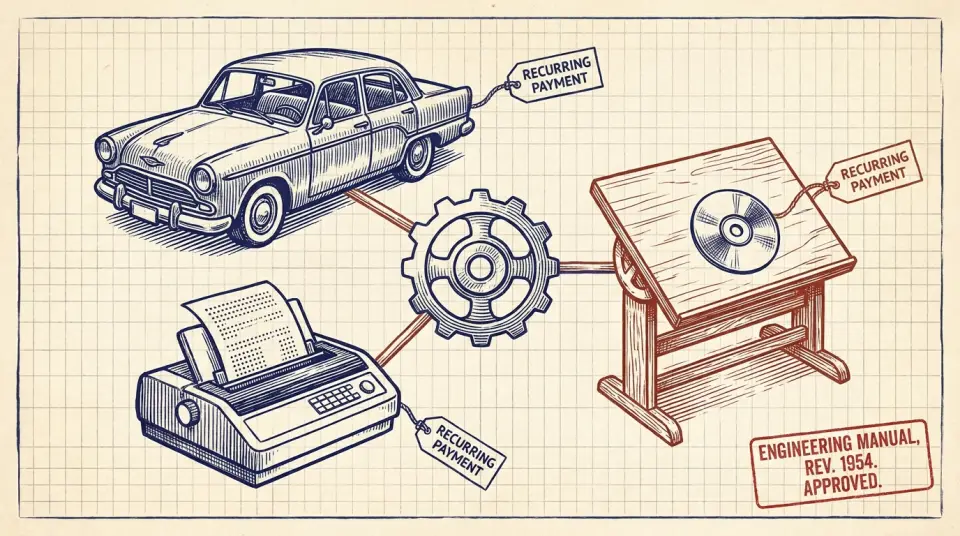
Once you see that question, you see it everywhere. The car company that locks horsepower you already bought behind a monthly fee. The printer that rents you your own ink. The software you used to own on a disc, now gone the moment you stop paying. Nothing about the product got better. The billing just never ends.
How do you break the membership spell?
So how do you break the spell? Rename it in your own head. Every time you see 'membership', mentally swap the word back to 'a bill I pay forever'. Suddenly the warm glow fades and you can see it for what it is, a recurring charge that has to re-earn its place every single month, not a club you belong to.
Then run one honest test on each one: if this charged me the entire year up front, in a single payment, would I still say yes? Most memberships survive only because the monthly drip hides the yearly total. Say the real number out loud, three hundred, five hundred, a thousand a year, and half of them quietly fall apart.
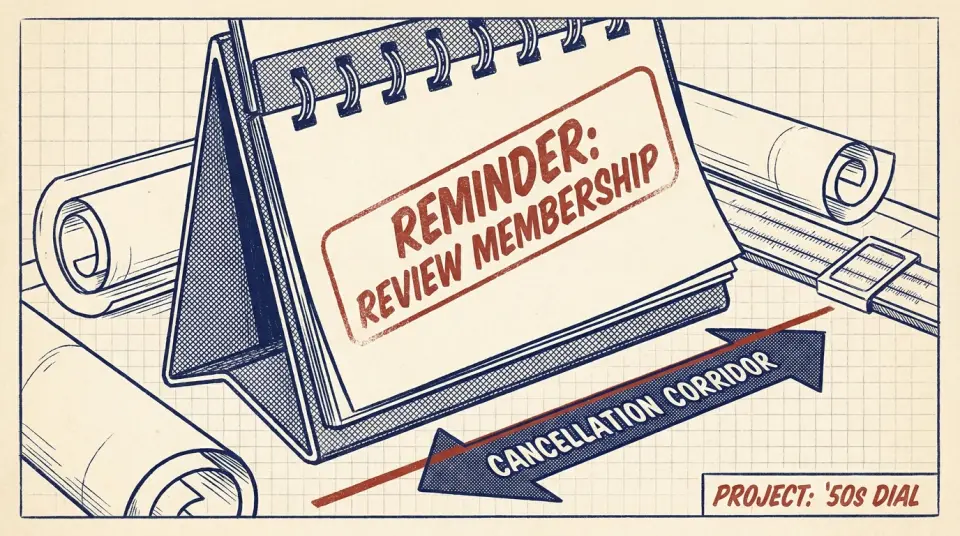
And beat the friction before it beats you. The day you join anything, set a calendar reminder for a month before it renews. That one note flips the whole game: instead of forgetting until the charge hits, you decide, on purpose, every year, whether it still earns its place. The trap only works on autopilot. You just switched autopilot off.
Should you cancel every membership?
To be clear, this is not 'cancel everything'. Some memberships genuinely earn their keep, a tool you use every day, a service that truly saves you more than it costs. The goal is not zero. The goal is intentional: keep the handful that pass the yearly test, and stop paying for belonging you never actually use.
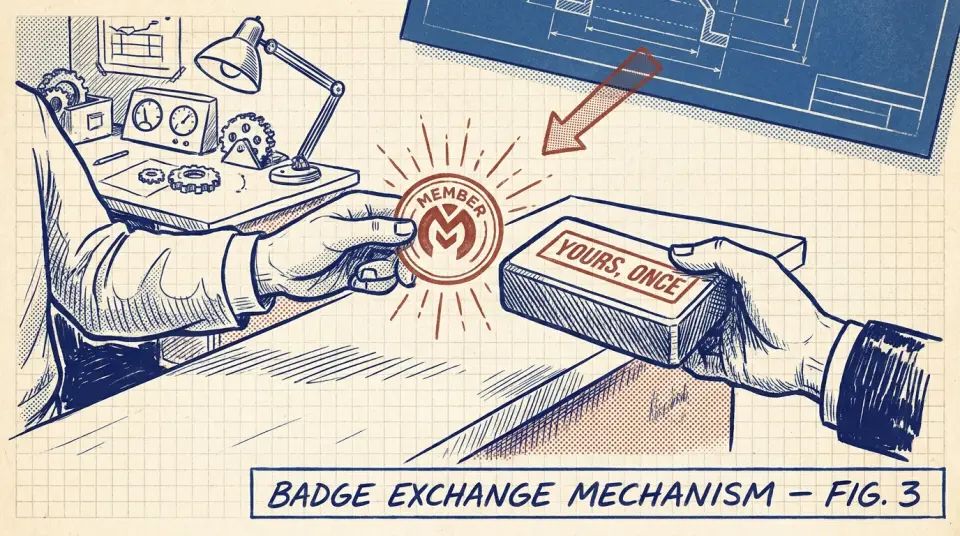
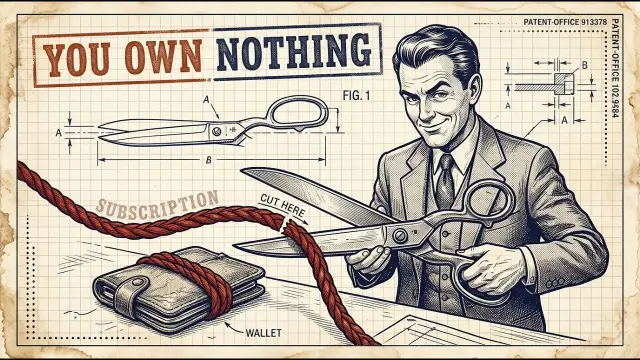
And wherever you can, trade the rental for the real thing. Owned software instead of the monthly app. A one-time tool instead of the forever-fee gadget. The coffee you make instead of the loyalty tier. Every membership you convert into something you own is one less string attached to your bank account for the rest of your life.
Here is the truth under the flattery. You are not a member of anything. You are a customer with a recurring charge, dressed up to feel like belonging. There is nothing wrong with paying for what you truly use, but the moment you call it what it is, you stop being managed by it and start managing it.
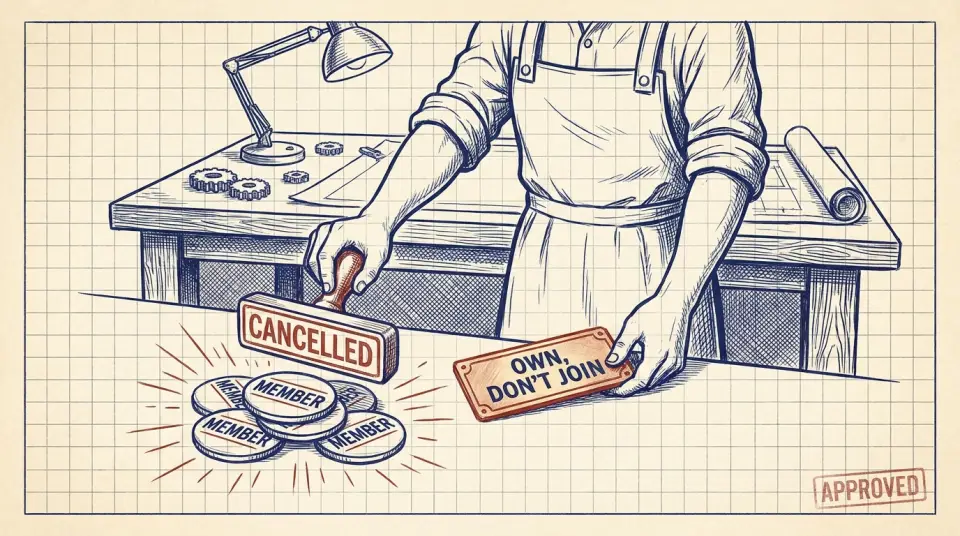
So rename them, run the yearly test, set the reminder, and keep only the few that earn it. Belong to fewer things, and own more of them instead. Your money should buy things that are yours, not rent you a feeling of belonging that disappears the day you stop paying.
Watch this one on YouTube or subscribe to the channel for the next breakdown.