Articles / Subscriptions
The Invisible Tax: Why 'Free' Apps Are Your Biggest Expense
Think 'free' apps are a bargain? Think again. We calculate the 'invisible tax' of the attention economy, from lost productivity worth thousands to the literal degradation of your phone's hardware. Learn how to reclaim your focus and exit the machine.
How much of your life goes to free apps?
The average human spends roughly four point eight hours every day staring at a mobile screen. Over a seventy-two-year lifespan, that adds up to exactly eleven years of your life. Not eleven years of waking life, but eleven years of total, non-stop, twenty-four-hour days spent inside the machine. Most of that time is spent inside apps that cost zero dollars to download. We call them free, but in the world of software architecture, free is a misnomer. It is more accurate to view these platforms as a high-interest loan where your focus is the collateral.
How free apps turn your attention into revenue
To understand the cost, we look at the machine’s blueprints. Take Meta, the parent company of Facebook and Instagram. Their quarterly reports show they earn roughly fifty-eight dollars in revenue for every single user in North America. That is nearly two hundred and forty dollars per year, per person.
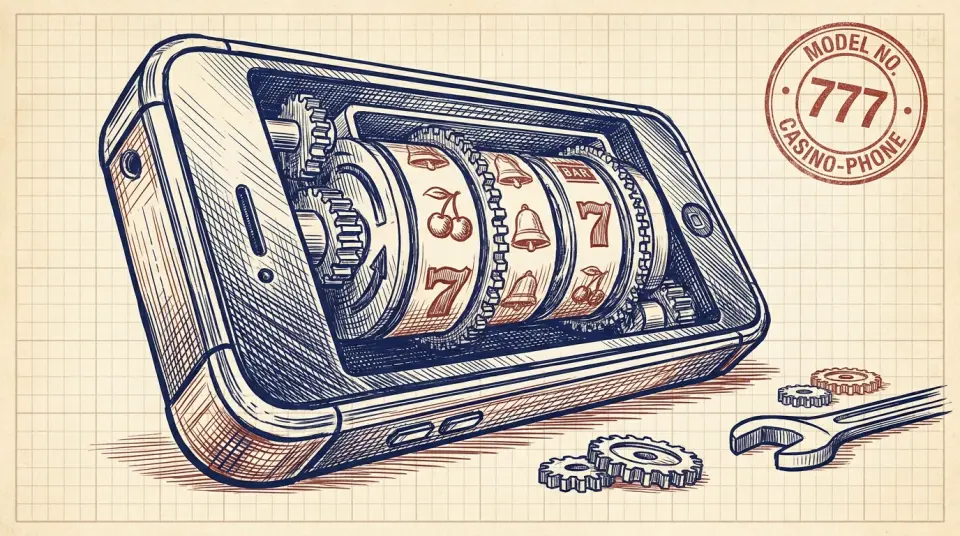
This revenue doesn't come from a subscription fee you agreed to pay. It is harvested through a mechanism called 'Variable Reward.' It is the same psychological engine found in a Las Vegas slot machine, designed to keep you pulling the lever, or in this case, the infinite scroll. Every time you refresh your feed, you are spinning that wheel. Sometimes you get a hit of dopamine, a like, a comment, a funny video. Most times you get nothing. The unpredictability is the trap. If the rewards were constant, your brain would eventually habituate and look away.
Behind the screen, the app is cataloging your behavior. It isn't just recording what you like. It tracks how long you hovered over a photo of an ex. It notes that you scrolled past a political post in precisely zero point four seconds. It is building a digital twin of your psyche. This digital twin is then sold in the data brokerage market, an industry valued at over two hundred billion dollars. You are being dissected into fifty thousand unique data points. These are sold to advertisers who use them to bypass your critical thinking and target your insecurities.
What does one notification cost in lost focus?
But the dollar cost to the advertiser is only half the story. We must account for the 'Invisible Tax' of context switching. Research suggests it takes roughly twenty-three minutes to regain deep focus after a single interruption. One 'free' notification can effectively delete a half-hour of productive thought. If you earn thirty dollars an hour, and you lose two hours of focus per day to these interruptions, that app is costing you sixty dollars a day in lost potential. Over a work year, that is an invisible tax of fifteen thousand dollars. The app wasn't free; it was a luxury purchase.
How free apps drain batteries, storage and health
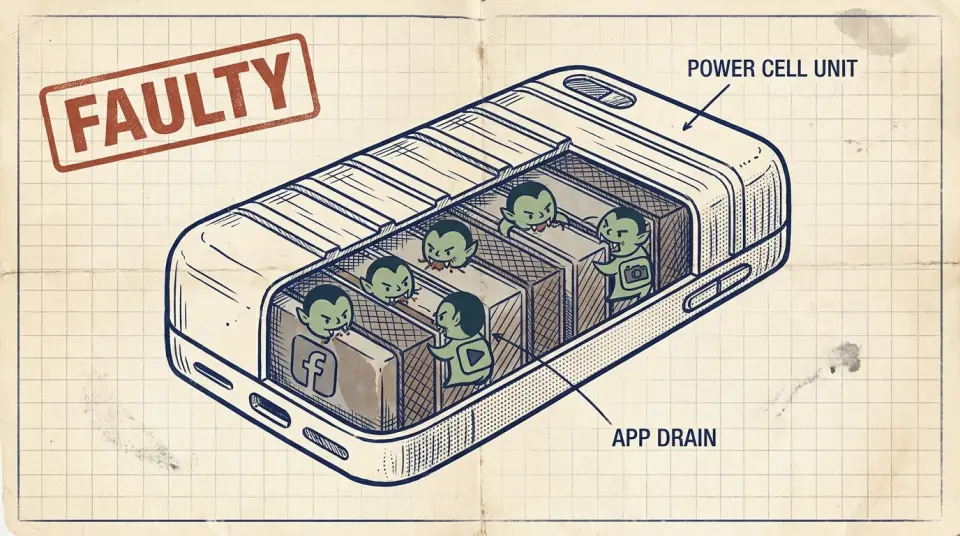
The extraction doesn't stop at your mind. It extends to your hardware. Free apps are notorious for 'background refresh' cycles. They ping servers constantly, even when your phone is in your pocket. This accelerates the chemical degradation of your lithium-ion battery. Replacing a flagship smartphone battery often costs around ninety dollars. If background data usage cuts your battery life by twenty percent, you are paying a physical maintenance fee for the privilege of being advertised to. The machine is literally consuming its own housing to stay powered.
Then there is the 'Cloud Trap.' Many free apps lure you in with free storage, but as your data grows, the walls close in. They make it easy to upload, but purposefully difficult to export. Once you have ten thousand photos in their ecosystem, you aren't a user; you're a hostage. At this point, the free app transitions to the 'Freemium' model. They charge you ten dollars a month to keep accessing the data you already gave them. This is the 'Rent-Seeker' mechanic. You are paying rent on your own memories, hosted on a server you don't control.
We should also consider the 'Algorithm Tax.' When an app decides what you see, it prioritizes content that triggers high arousal emotions, usually outrage or anxiety. These emotions have a physiological cost. They increase cortisol levels, which, over time, can lead to real-world healthcare expenses. Let’s look at the ledger entry for a 'Free' Social Media App. Direct cost: zero. Privacy cost: fifty thousand data points. Time cost: fifteen thousand dollars in lost focus. Health cost: elevated stress. The total value being extracted from you is staggering compared to the value you receive.
What are local-first and owned alternatives?
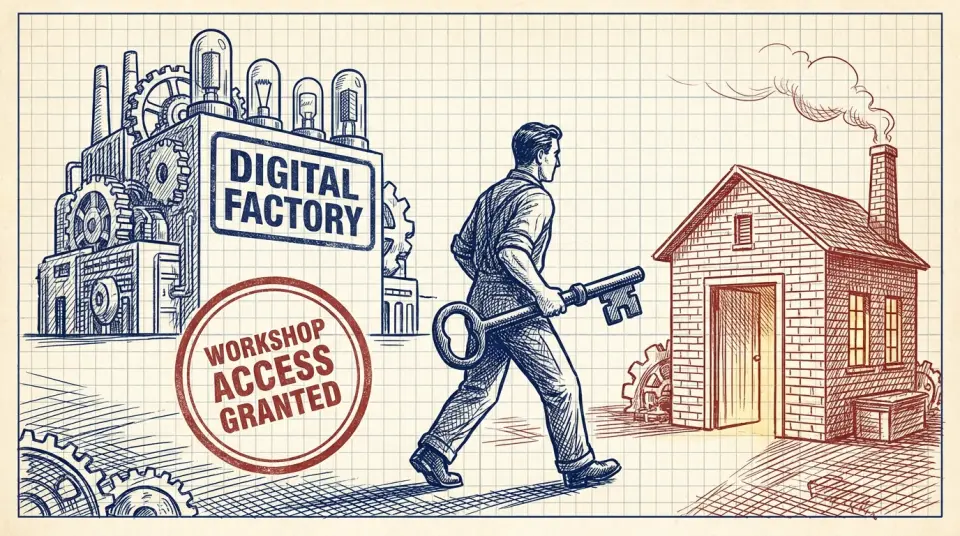
So, how do we dismantle the machine? The first step is to recognize that software is never truly free to build. If you aren't paying the developer with currency, you are paying them with your sovereignty. The alternative is the 'Owned' model of digital life. The Owned model prioritizes 'Local-First' software. These are tools that live on your device, not in the cloud. They function without an internet connection and they don't report your every move to a central server. You pay for them once, like a physical hammer or a saw.
Consider the difference between a free web-based photo editor and a one-time-purchase professional tool. The free one might save you fifty dollars today, but it tracks your location and sells your editing habits. The professional tool costs fifty up front, but it respects your time and works forever.
How to audit your phone and cut distractions
To start your audit, look at your home screen. Every app with a notification red bubble is a solicitor standing in your living room, shouting for attention. The first move is to disable all non-human notifications. If it isn’t a real person trying to reach you, it doesn’t get to ring. Next, evaluate the 'Slot Machine' apps. If you find yourself scrolling without a specific goal, the machine has won. Try moving these apps off your home screen and into a folder on the last page. Adding just three seconds of friction can break the autopilot habit loop.
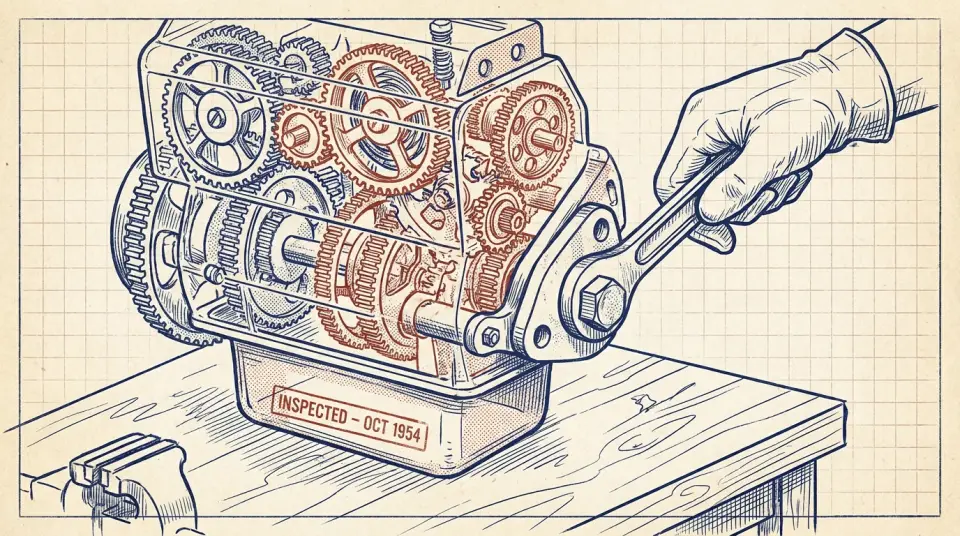
We must also talk about 'Open Source' alternatives. These are apps built by communities rather than corporations. Because there is no profit motive to keep you addicted, these tools are often designed for efficiency rather than 'engagement.' They are built to be used, then put away.
Is paying for software or a dedicated device worth it?
The shift from 'Free' to 'Owned' requires a change in how we value our time. If an app saves you ten minutes of frustration every day, it is worth paying for. Ten minutes a day is sixty hours a year. At a twenty-dollar hourly rate, that tool is worth twelve hundred dollars to you. The ultimate 'Escape' is the 'Dumb' device. Whether it's an E-ink tablet for reading or a dedicated music player, moving functions away from the 'Distraction Slab' in your pocket is the most effective way to lower your attention tax. Dedicated tools don't have ulterior motives.
When you use a dedicated tool, the manufacturer has already made their profit. They don't need you to stay on the device for five hours to make the numbers work. Their goal is to provide a good experience so you'll buy from them again in five years. The incentives are aligned. This leads us to the 'Sovereign User' mindset. A sovereign user views their attention as their most valuable asset, more valuable than their money. They treat every 'Free' offer with the same suspicion they would treat a stranger offering a free lunch in a dark alley.
Ledger Entry: The Privacy Cost. By opting out of free tracking, you regain control over your digital twin. Advertisers lose the ability to predict your next move. You stop being a statistical probability and start being a person again.
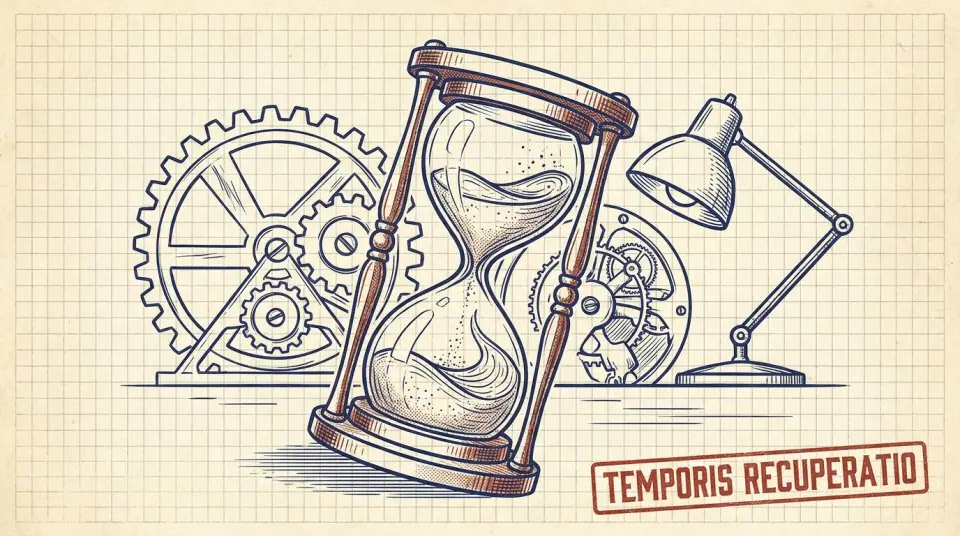
The math of a 'Free' life is always negative. It is a slow leak in your bank account, your battery, and your brain. When you begin to pay for software with money instead of time, you are effectively buying your life back, one hour at a time.
How to reclaim your screen time
Reclaiming those eleven years of screen time starts with a single audit. Go into your phone settings right now. Look at 'Screen Time' or 'Digital Wellbeing.' Look at the numbers. Don't feel guilt; feel the desire to stop the leak. Imagine what you could do with just half of that time. Five extra years of life. You could learn three languages, write two books, or simply sit in silence and actually know your own thoughts without an algorithm prompting them.
The 'Free' economy is a machine built to harvest human focus. But every machine has an off switch. Every factory has an exit. You are the raw material, but you are also the only one who can decide to stop the production line.
The most expensive things you own shouldn't be the ones that cost zero dollars. They should be the ones that cost you nothing in peace of mind. Choose tools that serve you, rather than tools that you serve. Final Ledger Entry: The Reclaimed Life. Cost: A few one-time software licenses. Profit: Thousands of hours, improved mental health, and the return of your personal data. That is a trade worth making every single time.
Stop paying the invisible tax. Own your tools, own your data, and most importantly, own your time. The exit is right there on your home screen. It’s time to take it.
Watch this one on YouTube or subscribe to the channel for the next breakdown.