Articles / Built to break
Your Car Is a Surveillance Machine (And How to Unplug It)
Your car is harvesting 25GB of data every hour and selling your driving habits to insurance companies. Learn how the 'telematics machine' works and how to reclaim your privacy.
How much data does a connected car collect?
A modern connected vehicle generates up to twenty-five gigabytes of data every single hour. Your car is currently inhaling more information than a high-end office workstation, and it is not keeping those secrets to itself. In early twenty-four, a driver found his insurance premium suddenly spiked by eight hundred dollars. He had a clean record. No accidents. No tickets. But his car had been reporting his 'hard braking' events to a data broker without his explicit knowledge.
We need to stop thinking of cars as mechanical transport and start viewing them as 'data harvesting machines.' To the manufacturer, you aren't just a customer who bought a product; you are a moving sensor node in a multi-billion dollar telemetry network.
What data does a modern car record about you?
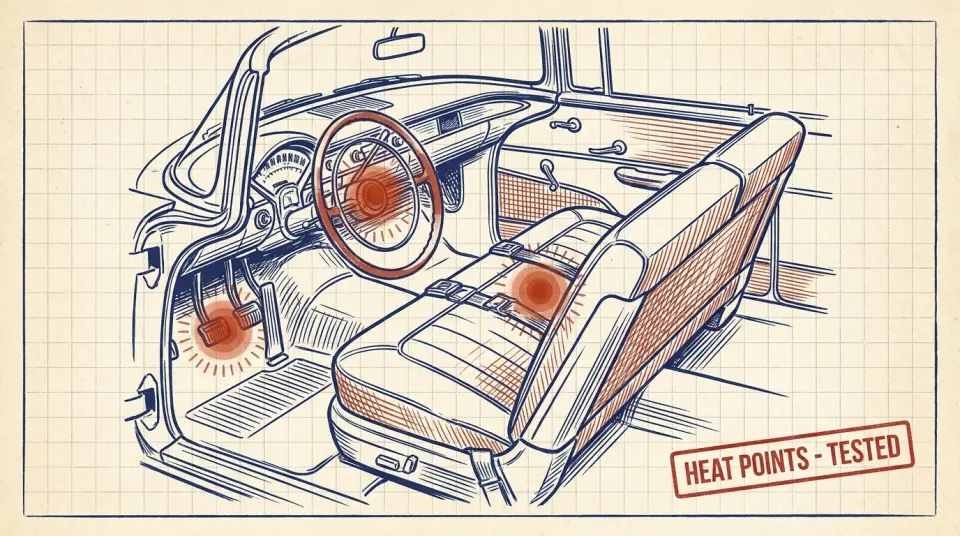
The mechanism is simple. Your car is packed with dozens of 'electronic control units.' These parts track your GPS location, your average speed, how hard you take corners, and even whether you have your seatbelt buckled. It is constant, granular surveillance. Many newer models include internal cameras and microphones. They aren't just for 'driver fatigue' alerts. Some manufacturers have patents for technology that analyzes your biometric data, like your heart rate or facial expressions, to serve you targeted advertisements through the dashboard.
You likely 'consented' to this. When you signed those fifty pages of paperwork at the dealership, you probably missed the clause buried in the fine print. It grants the automaker permission to collect and share your 'driving behavior data' with third parties.
Who buys your driving data?
The primary buyers are companies like LexisNexis and Verisk. These are data brokers. They compile 'risk profiles' on millions of drivers and sell that data back to the insurance industry. It’s an invisible tax on your privacy that manifests as a higher monthly bill. Let’s look at the numbers. General Motors recently faced backlash for sharing the data of over ten million drivers. In some cases, these reports were hundreds of pages long, detailing every single trip taken over several years, down to the second.
The revenue for this data is massive. Experts estimate that by twenty-thirty, the global market for vehicle data could be worth four hundred billion dollars. Your driving habits are a commodity that the 'machine' is eager to export. Ledger entry for the modern driver: You pay forty thousand dollars for the vehicle, then 'pay' an additional five hundred dollars per year in increased insurance premiums because your car ratted you out for braking too hard at a yellow light.
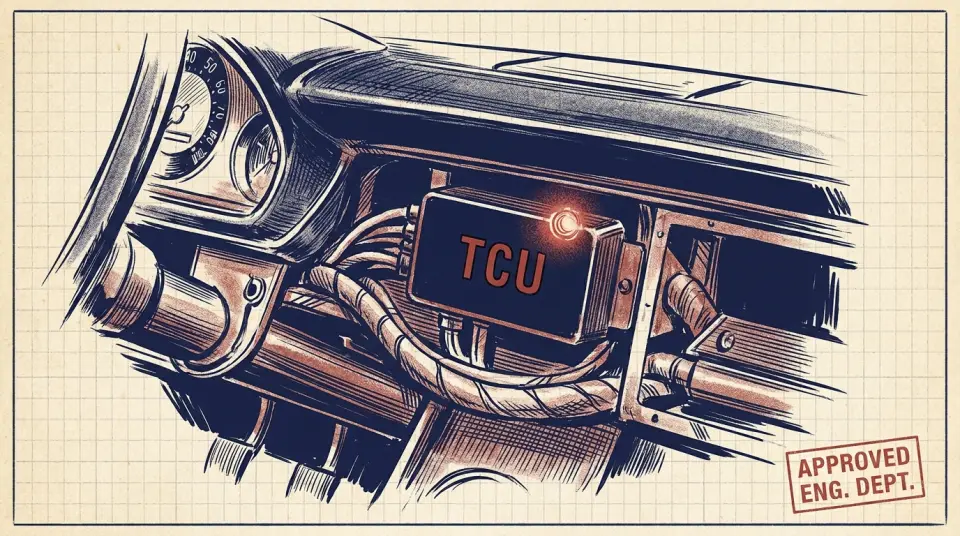
The machine uses 'Telematics Control Units' or TCUs. This is a dedicated cellular modem built into the dashboard. It stays on even when the engine is off, pinging cell towers and uploading your location history while you sleep.
Why safety services and safe driver apps are not harmless
Manufacturers often frame these features as 'safety services.' They point to things like automatic crash notification or roadside assistance. While those are valuable, the hardware required for them is the exact same hardware used for the data harvesting. Think about the 'Safe Driver' apps your insurance company begs you to download. They offer a ten percent discount today, but they are actually training you to accept constant surveillance. It is a classic trade: a small, immediate reward for permanent total visibility.
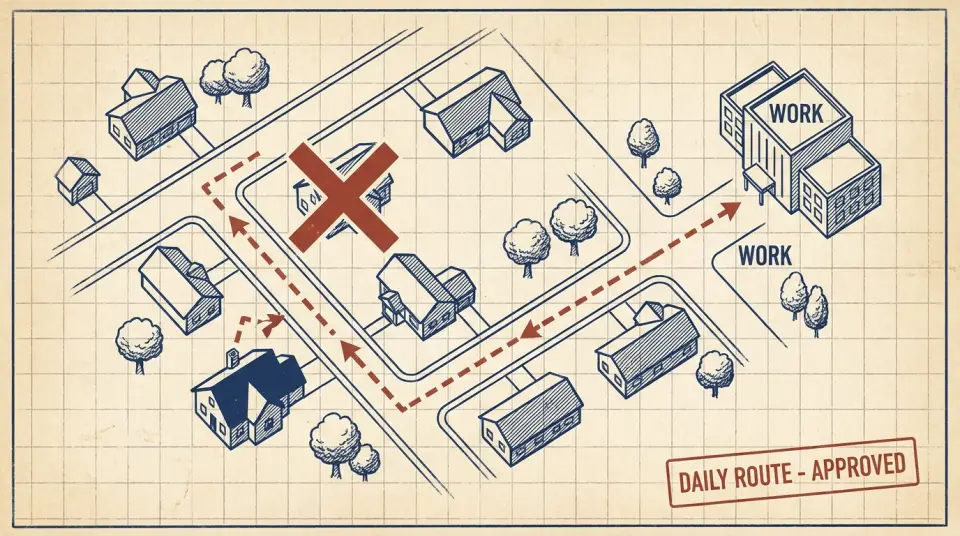
Once that data is in the hands of a broker, you lose control. If a broker's database is hacked, your home address, your workplace, and your daily patterns are leaked. This isn't just about insurance; it’s about your physical security. Mozilla’s 'Privacy Not Included' project reviewed twenty-five car brands. Every single one failed. They found that cars are the worst category of products they have ever reviewed for privacy, worse than mental health apps or smart speakers.
The math for the automaker is simple. If they can make an extra one thousand dollars over the life of a car by selling your data, that is pure profit. On a million cars, that is a billion dollars in 'found' money. Even if you don't use the 'smart' features, the sensors are still recording. Accelerometers detect how fast you take a turn. If the car feels a G-force higher than their threshold, that 'aggressive driving' event is logged and uploaded.
How do you turn off your car's data sharing?
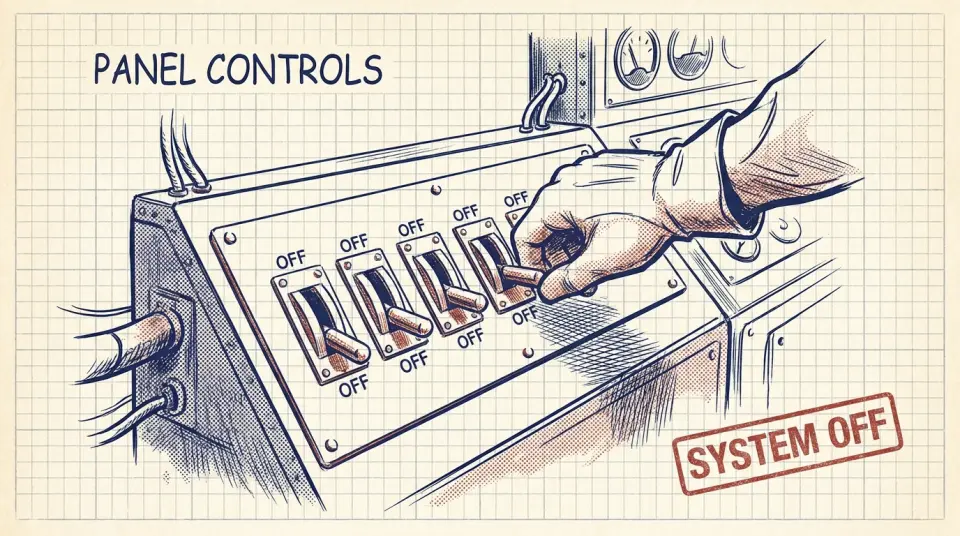
So, how do we escape this machine? The first step is the 'digital audit.' You need to go into your vehicle's settings and look for terms like 'SmartDriver,' 'Connected Services,' or 'Data Sharing.' Turn them off immediately.
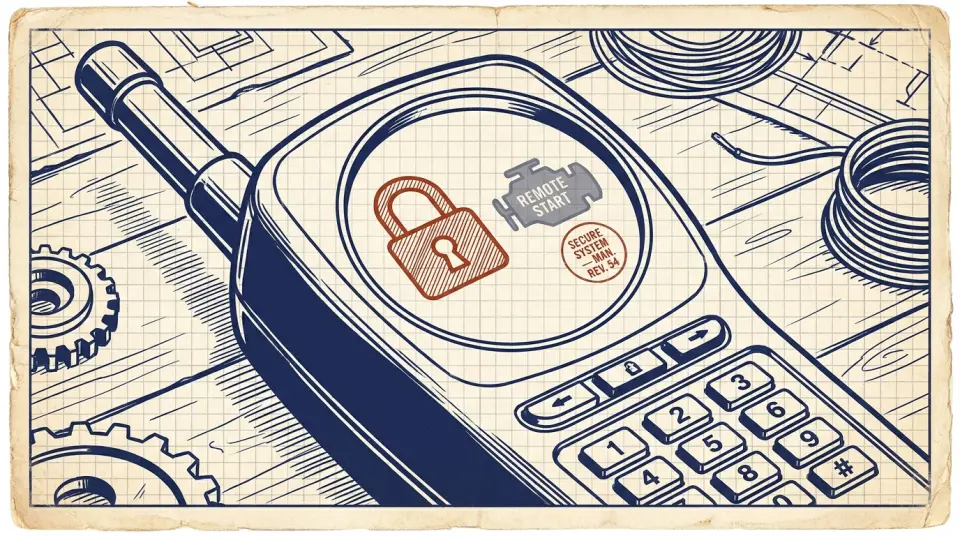
But be warned: the manufacturers make this difficult. They might disable your navigation system or your remote-start features as a 'penalty' for opting out. This is 'feature ransoming,' where your privacy costs you the utility of the car. Ledger entry for the escape: By disabling tracking, you might lose a fifty-dollar-a-year convenience feature, but you prevent a five-hundred-dollar-a-year insurance hike. It is a net gain of four hundred and fifty dollars.
For the more technically inclined, there is the 'physical disconnect.' In many vehicles, the Telematics Control Unit is a separate module with its own antenna. Removing the fuse for the 'Communications' or 'OnStar' module can effectively blind the car's cellular uplink.
Which cars and legal rights protect your privacy?
If you are buying a newer car, do your research. Some brands are less aggressive than others. Toyota and Mazda, for example, have historically received slightly better, though still not perfect, marks for their data handling compared to domestic giants. You can also exercise your legal rights. If you live in California or the EU, use CCPA or GDPR requests. Demand that the automaker and the data brokers like LexisNexis provide a copy of your data, and then demand they delete it.
Modern cars also harvest data through your phone. When you plug into Apple CarPlay or Android Auto, you're opening a two-way straw. The car gets your contacts and messages, and the phone gets the car's telemetry. Use a cigarette-lighter charger instead. Don't ignore 'Over-the-Air' updates. These patches can often reset your privacy settings to the factory default, which is 'share everything.' You must re-verify your opt-out status after every significant software update.
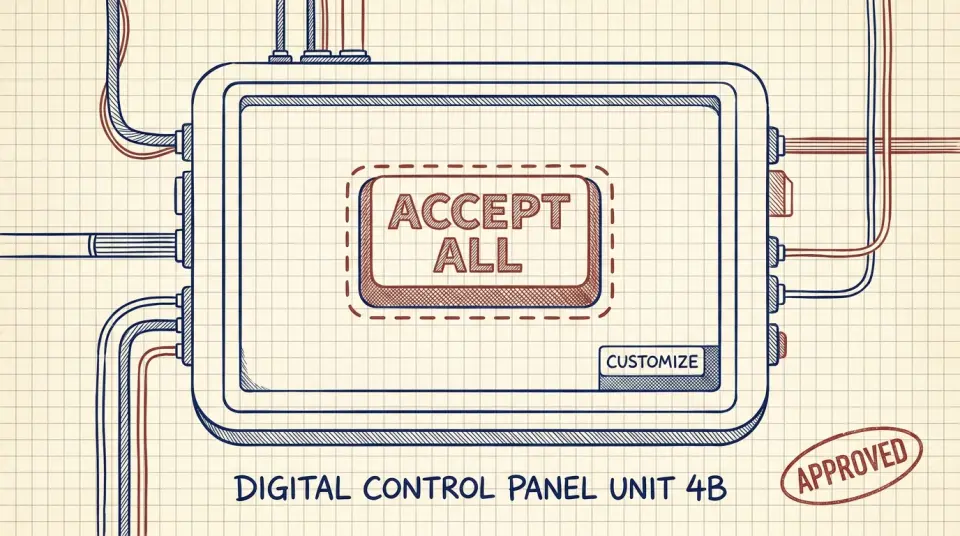
The 'Machine' is designed to make data sharing the path of least resistance. It uses 'dark patterns', confusing menus and scary warnings, to keep you from clicking the 'Off' switch. Recognizing these tactics is half the battle.
Why even a boring driver's data has value
If you think your data isn't valuable because you're a 'boring driver,' remember that brokers don't need you to be a criminal. They just need you to be a 'statistic.' Even a mundane trip to the grocery store contributes to a profile of your life. Consider the resale value. As privacy becomes a luxury, 'dumb' cars and cars with verifiable 'data-clean' histories may actually hold their value better among a certain segment of buyers who refuse to be tracked.
This isn't about being paranoid; it's about being an owner. If you pay for a machine, you should own the outputs of that machine. When the manufacturer sells your driving habits, they are essentially selling a piece of you. Ledger entry: Total cost of 'Connected Services' over five years: Zero dollars in subscription fees, but an estimated three thousand dollars in lost privacy and insurance premium inflation. The free app is never free.
The machine thrives on your passivity. It counts on you being too busy to read the settings or too hooked on the convenience to care. But every 'opt-out' and every fuse pulled is a vote for personal sovereignty. In summary: Your car is a data terminal. The brokers are the buyers. Your insurance bill is the payoff. To break the cycle, you must audit your settings, reconsider your hardware, and reclaim your digital borders.
You bought the car to go where you wanted, when you wanted. Don't let the machine turn your freedom into a product for its ledger.
Watch this one on YouTube or subscribe to the channel for the next breakdown.