Articles / Built to break
The High Cost of Cheap Kitchens: A Strategy for Heirlooms
Stop paying the 'disposable kitchen tax.' By switching to heirloom-quality gear like cast iron, manual coffee grinders, and forged steel knives, you can save over $8,000 in a lifetime.
Why do cheap kitchen tools cost so much over a lifetime?
The average American household spends roughly two hundred and fifty dollars every year replacing basic kitchen tools. Over a typical adult life, that is a fifteen-thousand-dollar tax on your ability to feed yourself. We treat spatulas and pans like groceries, but they are actually industrial components in a food-production machine. Consider the non-stick frying pan. It is a machine with a built-in expiration date. The chemical bond of the coating is engineered to fail. Even with perfect care, a thirty-dollar Teflon pan will lose its utility in about twenty-four months. This creates a recurring subscription cost you never signed up for.
If you replace that thirty-dollar pan every two years, you will spend six hundred dollars over forty years. And that is assuming prices never go up. You are paying a premium for the privilege of owning something that is destined to become trash. This is the invisible tax of the 'disposable' kitchen.
Is a cast iron skillet cheaper than a non-stick pan?
Now, look at the alternative. A high-quality cast iron or carbon steel skillet costs roughly seventy-five dollars once. It doesn't have a coating to fail; it has a surface you build yourself through seasoning. It is a piece of solid geometry that technically improves with every use.
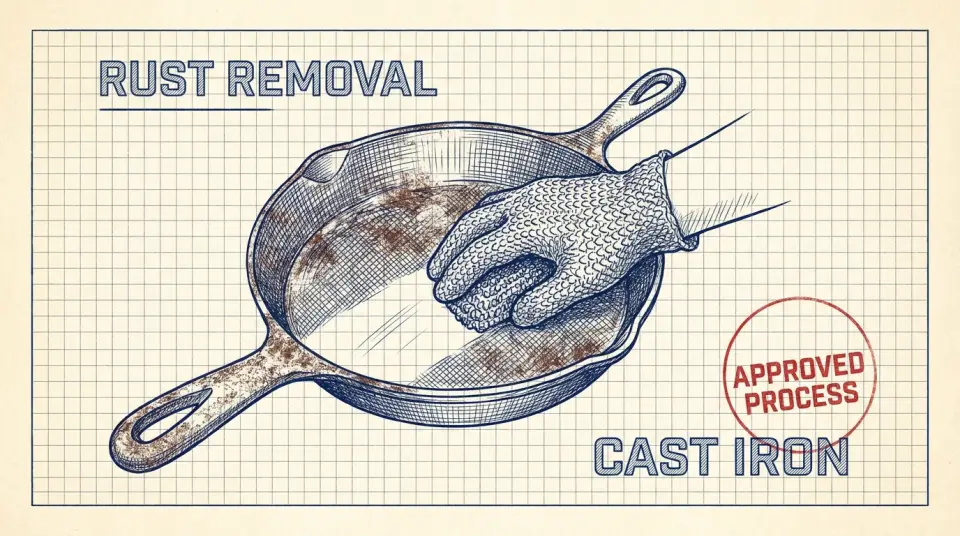
The mechanism here is simple. Cast iron is a single piece of molded metal. Carbon steel is similar, often used in professional kitchens for its responsiveness. These tools don't break; they are neglected. And unlike plastic or Teflon, neglect in a metal tool is reversible with ten minutes of scrubbing. Ledger entry: Trading a biennial thirty-dollar replacement for a one-time seventy-five-dollar investment saves five hundred and twenty-five dollars over a lifetime. That is a single pan. Now, let’s look at the most expensive liquid in your kitchen: coffee.
How much do coffee pods really cost per pound?
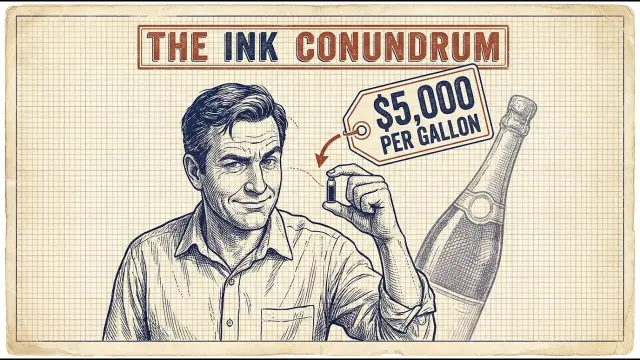
The pod coffee machine is the ultimate 'razor and blade' business model. You buy a hundred-dollar plastic box that only accepts proprietary plastic cups. Each pod costs about eighty cents. For a two-cup-a-day habit, that is nearly six hundred dollars a year just for the pods. The beans inside that pod weigh about ten grams. This means you are paying roughly thirty-six dollars per pound for average-grade coffee. If you bought high-end, specialty beans in bulk, you would pay about eighteen dollars per pound. The plastic pod is a hundred-percent markup on the beans themselves.
Furthermore, these machines are built with internal plastic pumps and heating elements that cannot be serviced. When a seal leaks after three years, the entire unit goes to the landfill. You are buying a three-year lease on a coffee maker, not a tool for your home.
Can a Moka pot and manual grinder beat pods?
The escape from the pod tax is the Moka Pot or the French Press. A genuine Italian-made Moka Pot costs about forty dollars. It is made of aluminum or stainless steel with a single rubber gasket that costs three dollars to replace every five years. It has no motor to burn out. Pair that with a manual burr grinder for seventy dollars. It uses stainless steel blades and hand-crank physics. No electronics. This setup turns eighteen-dollar-a-pound beans into professional-grade espresso. The math here is staggering.
In year one, the pod system costs seven hundred dollars. The manual system, including the high-end grinder and a year of premium beans, costs about four hundred. By year five, the pod system has cost you three thousand dollars, while the manual system sits at just over one thousand.
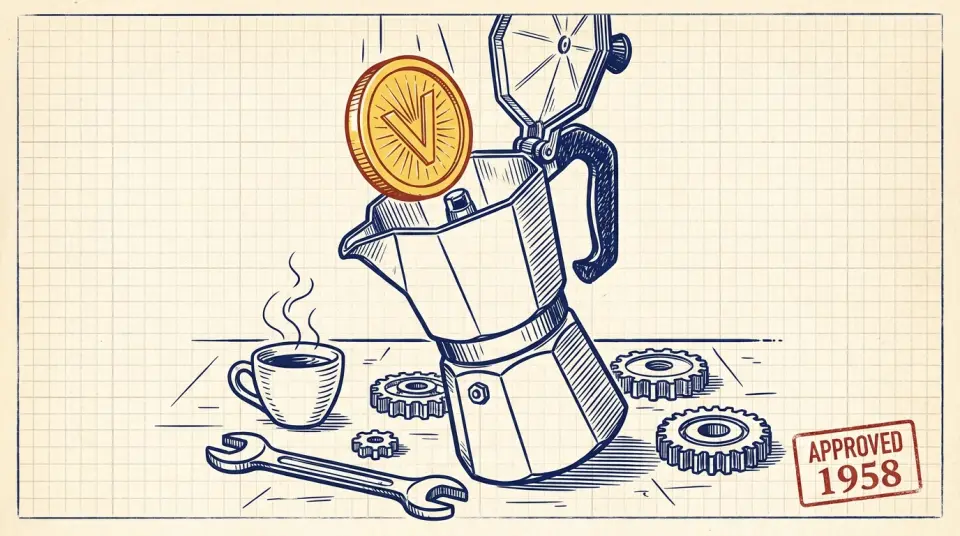
Ledger entry: Switching to manual brewing saves roughly four hundred dollars every single year. It is a machine that pays for itself in the first six months and then provides a tax-free dividend of thirty dollars every month thereafter. Now, let's talk about the chef’s knife.
Why are one good chef's knife and a whetstone enough?
Most people own a twenty-dollar set of serrated knives from a big-box store. Because they are made of soft, low-grade steel, they dull within months. Because they are serrated, you cannot easily sharpen them. So, you throw them away and buy another twenty-dollar set. A professional-grade, forged steel chef’s knife costs about one hundred and fifty dollars. That sounds expensive until you realize it is made of high-carbon steel designed to be ground down and honed for a century. It is not a knife; it is a steel bar that happens to be sharp.
The magic is in the whetstone. For thirty dollars, you can buy a dual-grit stone. This allows you to reset the edge of your knife whenever it fails. You are no longer a consumer of sharpness; you are the manufacturer of it. One knife, one stone, for the rest of your life.
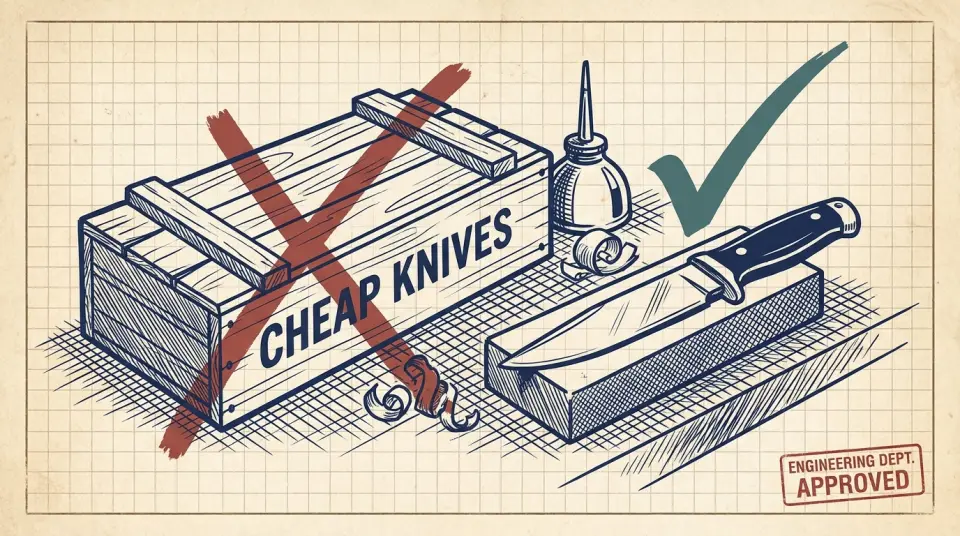
Ledger entry: One high-quality blade and stone cost one hundred and eighty dollars. Replacing 'cheap' sets every three years costs about four hundred dollars over a lifetime. But the real savings is in the speed and safety of a tool that actually works. Sharp knives don't slip; dull knives do.
Is a repairable blender worth four hundred dollars?
Then we have the motorized appliances. The modern blender is mostly plastic gears. When you try to blend something frozen, the plastic teeth strip. The motor is fine, but the gear is gone. And because the casing is glued shut, the whole ninety-dollar machine is a brick. The Buy-It-For-Life alternative is the high-performance blender with a metal-to-metal drive system. A Vitamix or a vintage Hobart-era KitchenAid. They cost four hundred dollars, which is painful. But they are serviceable. Every part, from the brushes to the bearings, can be replaced with a screwdriver.
If you buy a ninety-dollar blender every five years, you spend seven hundred and twenty dollars over forty years. If you buy the four-hundred-dollar machine once, you spend four hundred. You pay a three-hundred-dollar 'convenience' fee to own a worse machine that breaks when you need it most. Ledger entry: Investing in repairable motors saves three hundred dollars in cash and countless hours of frustration. This brings us to the 'Invisible Infrastructure' of your kitchen: storage. The plastic container trap is a slow, steady leak in your budget.
Why switch plastic containers to glass and Mason jars?
Plastic stains, absorbs odors, and eventually warps in the dishwasher. You buy a twenty-piece set for thirty dollars, and within a year, you have six containers and no matching lids. You repeat this cycle indefinitely. You are essentially renting thin plastic from a supermarket. The upgrade is tempered glass with silicone lids or simple Mason jars. A dozen wide-mouth Mason jars costs roughly fifteen dollars. They are heat-proof, stain-proof, and the lids are a universal standard that has not changed in a hundred years. If you break one, you replace one for a dollar.
The math here is less about the big numbers and more about the 'Replacement Friction.' When your tools are universal and indestructible, you stop thinking about them. Your kitchen stops being a source of shopping trips and starts being a source of utility. Even the small things add up. A plastic pepper mill uses a ceramic grinder that rounds off over time. A Peugeot steel-grinder mill costs fifty dollars and will literally last eighty years. You can find them in French flea markets from the nineteen-twenties still working perfectly.
Ledger entry: Over forty years, the 'disposable' storage and gadget habit costs about twelve hundred dollars. The glass and steel equivalent costs about two hundred. Total savings: one thousand dollars. At this point, our total kitchen savings have crossed the five-thousand-dollar mark.
How do you start a buy-it-for-life kitchen?
The transition to a Buy-It-For-Life kitchen requires a change in how you view 'value.' Value is not a low entry price. Value is the lowest 'Cost Per Use.' A hundred-dollar pan used five thousand times costs two cents per meal. A twenty-dollar pan used two hundred times costs ten cents. To start this transition, do not throw everything away today. That is wasteful. Instead, wait for a failure. When the non-stick pan starts to peel, do not go to the supermarket. Go to a restaurant supply store or a heritage brand. Replace the failure with a permanent solution.
The strategy is to slowly replace your 'consumable' tools with 'capital' tools. Capital tools are assets. They have resale value. They can be gifted to your children. A scratched Teflon pan has a value of zero. A vintage Le Creuset or a Griswold cast iron skillet often sells for more than its original price.
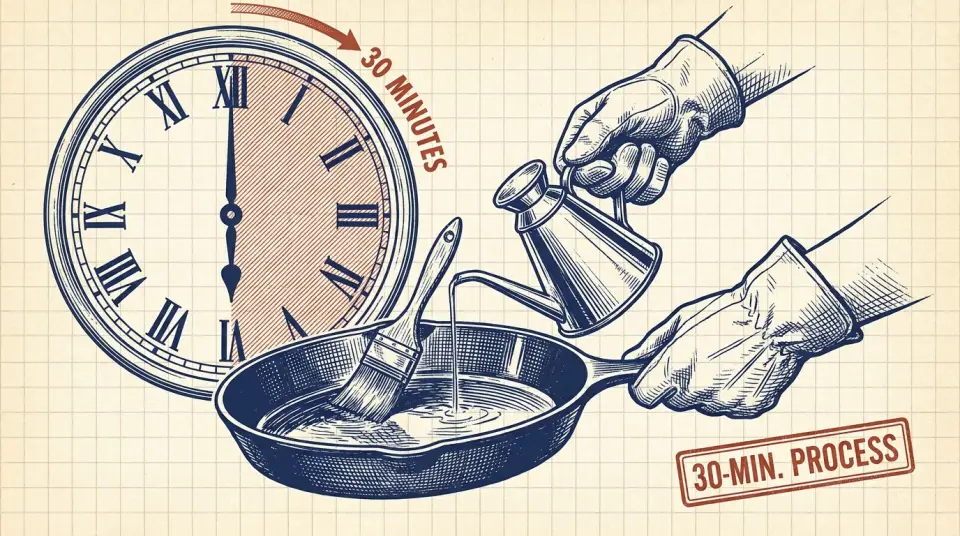
Maintenance is the final piece of the machine. Learning to season a pan or sharpen a knife takes roughly thirty minutes of total study time. That thirty-minute investment is what unlocks the thousands of dollars in lifetime savings. It is the most profitable half-hour you will ever spend. When you own your tools, you are no longer a target for planned obsolescence. You have opted out of the cycle of 'buy, break, dispose.' You have built a food production facility that is immune to inflation and corporate cost-cutting. You have achieved kitchen sovereignty.
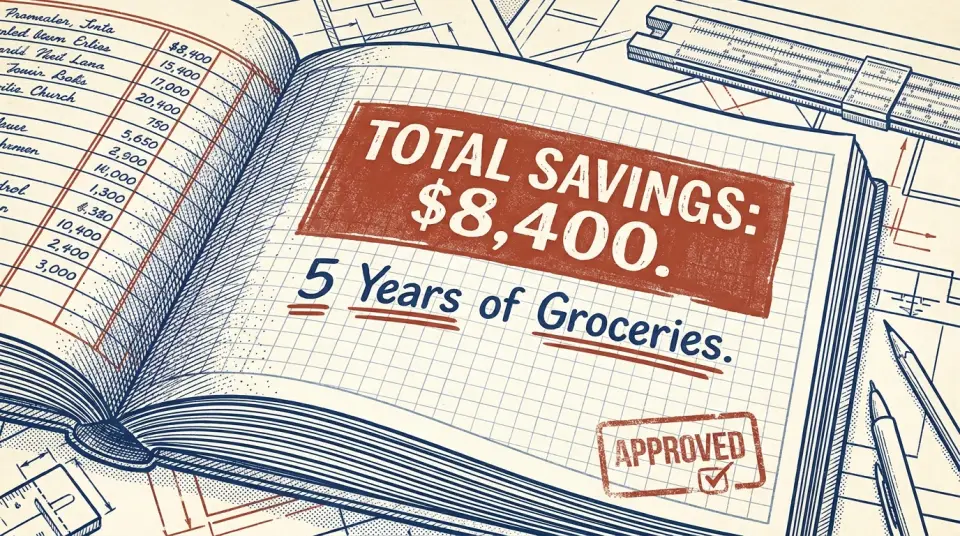
Final Ledger Entry: By moving to cast iron, manual coffee, high-carbon knives, and repairable appliances, the total lifetime savings is roughly eight thousand four hundred dollars. That is enough to pay for five years of groceries for a single person. Stop buying tools. Start owning them. Build a kitchen that outlives you. It’s better for your wallet, better for your cooking, and better for the planet. The gear is out there, you just have to buy it one last time.
Watch this one on YouTube or subscribe to the channel for the next breakdown.