Articles / Built to break
The Printer Ink Scam: Why This Liquid Costs $5,000 a Gallon
Printer ink costs more than vintage champagne and human blood. In this article, we expose the 'Razor-and-Blades' model that turns a $60 printer into a thousand-dollar trap, and how you can escape the 'invisible tax' of ink subscriptions.
Why is printer ink so expensive?
A gallon of premium gasoline costs about four dollars. A gallon of vintage Dom Pérignon champagne will set you back roughly fifteen hundred. But if you filled a gallon jug with name-brand printer ink, the receipt would total more than five thousand dollars. At these prices, ink isn't just an office supply; it is one of the most expensive liquids on the planet. Ounce for ounce, it is more valuable than human blood or Chanel Number Five. This isn't a byproduct of rare ingredients. It is a calculated, multi-billion dollar machine.
Ledger entry: You are paying a five-thousand-percent markup for a liquid that consists mostly of water, dyes, and ethylene glycol. You aren't buying a tool; you are buying into a tax.
How the razor-and-blades model works
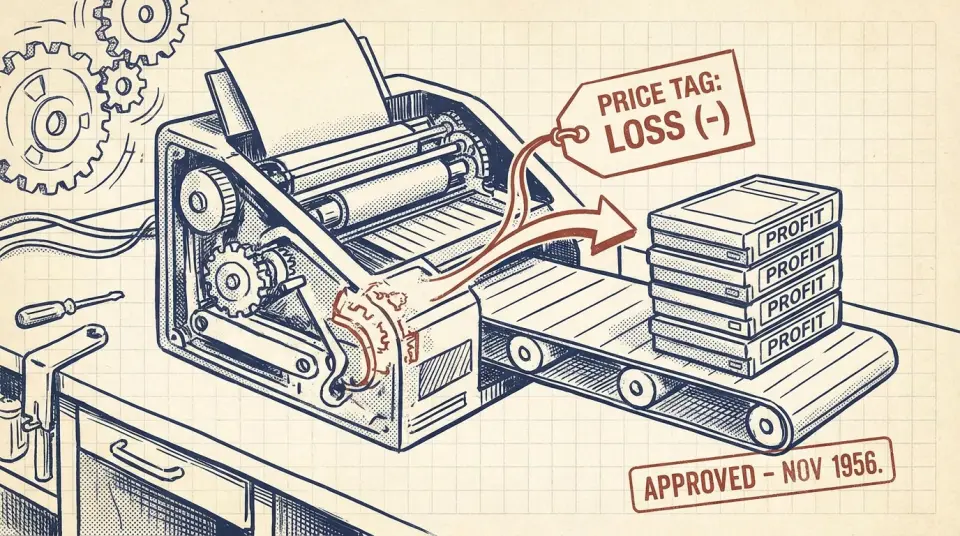
To understand why, we have to look at the 'Razor-and-Blades' model. It’s the same reason your first safety razor is cheap, but the replacement blades cost twenty dollars. In the printing world, the manufacturers sell the hardware at a loss just to get the 'ink straw' into your wallet. A basic inkjet printer might retail for sixty dollars, even though it costs the company eighty dollars to manufacture and ship. They are happy to lose twenty dollars today because they know the average user will spend five hundred dollars on ink over the next three years.
How cartridge chips and cleaning cycles waste ink
But keeping you in the system requires technical enforcement. This is why your cartridge has a microchip. This chip isn't there to help you print; its primary job is to tell the printer to stop working if you try to use a cheaper, third-party ink. These chips also enforce an 'empty' status that is often premature. Research has shown many cartridges signal they are out of ink when they still have twenty percent of their liquid remaining. The machine chooses to waste your money to ensure the print head never runs dry.
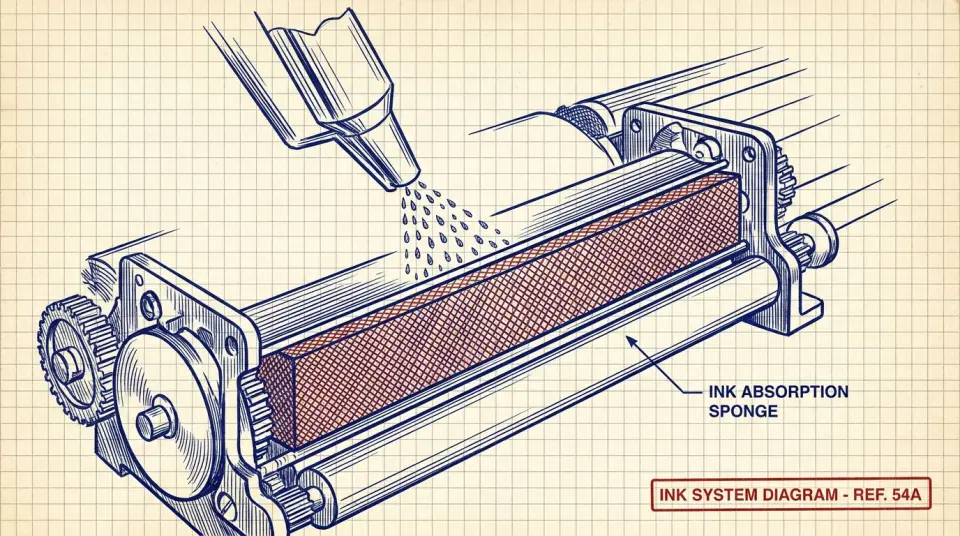
Then there is the hidden tax of the 'Maintenance Cycle.' Every time you turn the printer on, it squirts a small amount of ink into a hidden felt pad inside the machine to clear the nozzles. If you only print once a week, you might use more ink on cleaning than on your actual documents.
In some models, even if you only want to print a black-and-white text document, the printer will refuse to start if the Cyan cartridge is low. It’s a software-locked ransom note. You must pay fifteen dollars for blue ink just to print a black resume. Ledger entry: The machine is programmed to prioritize its own supply chain over your utility. Every 'cleaning cycle' is a tiny, invisible withdrawal from your bank account.
What does a printed page really cost?
Let’s look at the real-world math of a standard home office setup. A typical black cartridge costs about thirty dollars and is rated for two hundred pages. That sounds reasonable until you realize that 'page' is defined by the industry as only five percent ink coverage. If you print a photo or a flyer with heavy graphics, that one cartridge might only last forty pages. At thirty dollars a pop, you are paying seventy-five cents every time the paper slides out of the tray. Over five years, that adds up fast.
Why ink subscriptions turn your printer into a rental
The latest evolution of this machine is 'Ink as a Service.' Companies like HP now offer subscription plans. You pay a few dollars a month, and they mail you ink before you run out. It sounds convenient, but it turns your printer into a rental. If you cancel the subscription, the ink cartridges currently inside your printer, the ones you’ve already received, will actually stop working. The software remotely disables the hardware. You don't own the ink; you are merely licensed to use it.
HP's Instant Ink plans can start as low as one dollar a month for ten pages. But if you go over, the overage fees kick in. If you don't use your pages, they might roll over, but only to a certain limit. It's the same psychology used by gym memberships and cell phone data plans.
The manufacturer loves this because it creates predictable, recurring revenue. A one-time purchase is a gamble for them. A subscription is a guaranteed income stream that most people forget to cancel. It's the ultimate invisible tax. Ledger entry: Moving from cartridges to a subscription doesn't save you money; it just smoothens the curve of your exploitation. You are paying for the right to use your own property.
Do tank printers fix the ink problem?
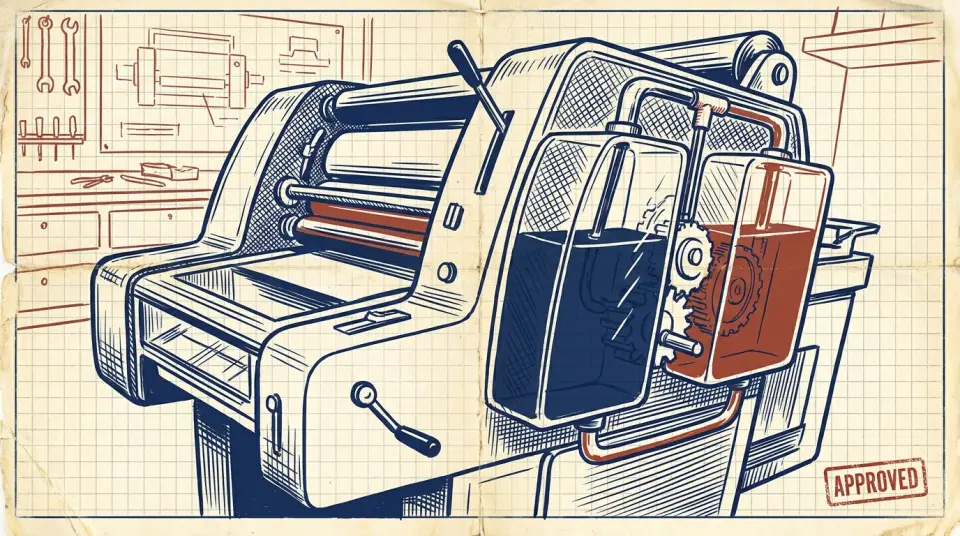
So, how do you break the machine? The first option is the 'Tank Printer,' often marketed as EcoTank or MegaTank. These machines break the razor-and-blades rule. They are expensive upfront, often three hundred dollars, but they don't use cartridges. Instead, you buy large bottles of ink and pour them directly into the printer. A bottle that costs fifteen dollars might hold as much ink as twenty standard cartridges. The cost per page drops from fifteen cents to less than one cent.
Manufacturers hate these printers, but they were forced to make them because third-party 'Continuous Ink Systems' were becoming too popular in emerging markets. They would rather you buy a legitimate tank printer from them than a hack from someone else. The break-even point for a tank printer is usually around the two-year mark for a moderate user. If you print frequently, the hardware pays for itself in ink savings within the first year. After that, your printing is effectively free.
Is a laser printer cheaper than inkjet?
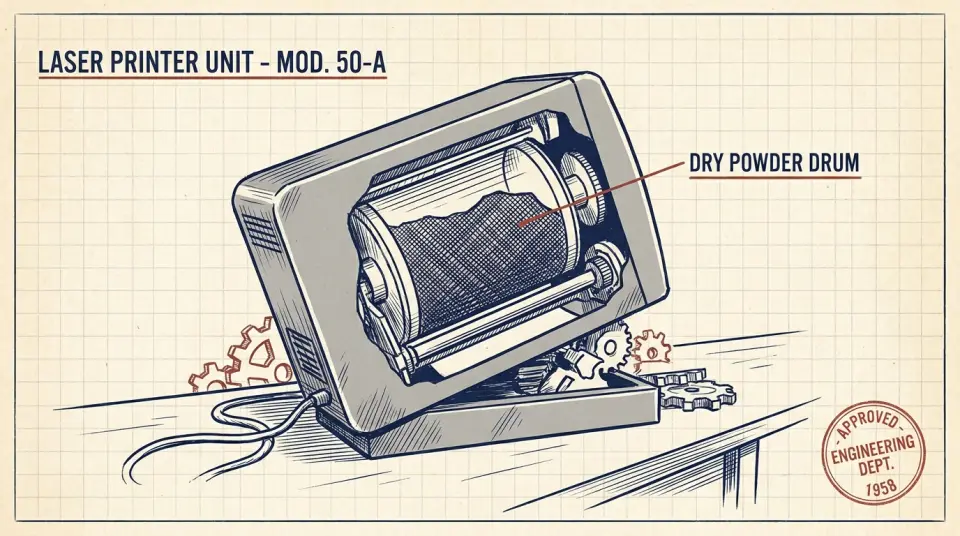
Option two is the 'Laser Phase.' If you don't need to print high-resolution color photos, stop buying inkjet printers entirely. Buy a monochrome laser printer. They use toner, a dry plastic powder, instead of liquid ink. Toner doesn't dry out. You can leave a laser printer in a closet for two years, plug it in, and it will print perfectly on the first try. Inkjet nozzles, meanwhile, would be hopelessly clogged with dried gunk, requiring a hundred dollars in new cartridges just to 'clean' the system.
A standard toner cartridge might cost fifty dollars, but it prints two thousand pages. That is two and a half cents per page. The hardware is more durable, the speed is faster, and the 'invisible tax' of maintenance cycles is non-existent. Ledger entry: A monochrome laser printer is a tool. An inkjet printer is a luxury subscription service disguised as a tool. Choose the tool.
Third-party ink, going paperless and other escapes
If you must stick with a cheap inkjet, the only way to win is to bypass the official supplies. Third-party cartridges are available for a fraction of the cost, often five dollars instead of thirty. But be warned: the manufacturers are in an arms race with these companies.
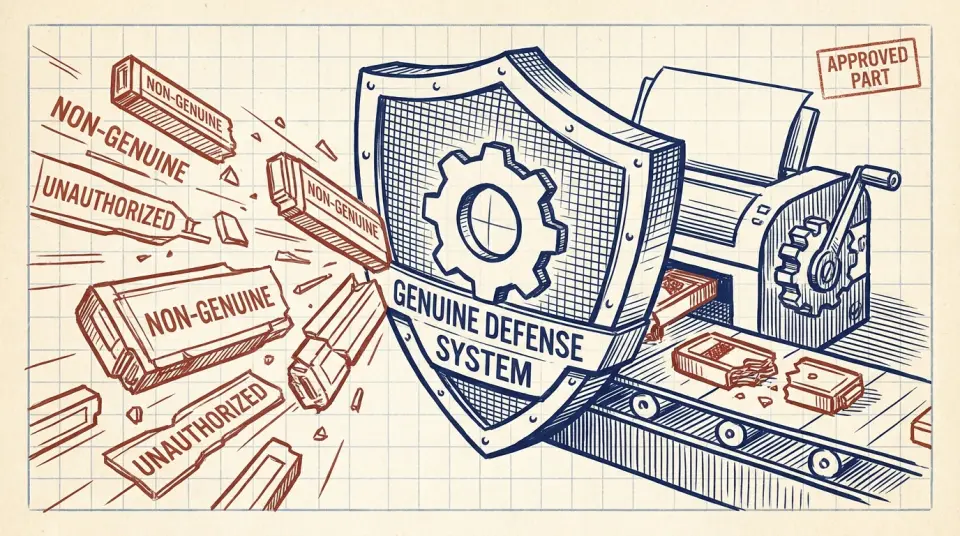
Companies regularly push 'security updates' to your printer via Wi-Fi. These updates rarely improve performance. Instead, they are designed to recognize and 'brick' third-party cartridges, forcing you back into the high-margin ecosystem. The final escape is the 'Digital Pivot.' In the last decade, the necessity of the home printer has plummeted. Most documents can be signed digitally, and most tickets can be scanned from a phone. The cheapest ink is the ink you never buy.
When you do need to print, consider the 'Outsourced Model.' Printing ten pages at a local library or shipping center once a quarter costs five dollars. That is significantly cheaper than maintaining a sixty-dollar machine that demands a thirty-dollar tribute every time it dries out. The printer industry relies on your inertia. They bet that you’ll buy the cheap machine at the big-box store without looking at the cost of the consumables. They bet you won't do the math. They bet you’ll just keep paying the five-thousand-dollar-per-gallon tax.
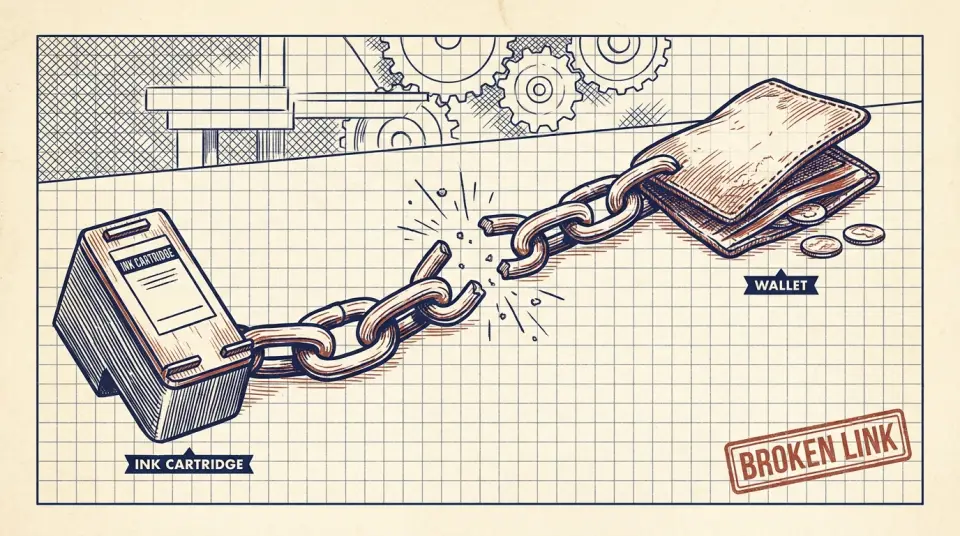
But once you see the machine, you can stop feeding it. Whether you switch to a tank system, move to laser, or go entirely paperless, the goal is the same: reclaim your autonomy from the razor-and-blades trap. Final Ledger entry: The most expensive liquid you buy shouldn't be the one that ends up on a grocery list. Invest in hardware that respects your wallet, or don't buy the hardware at all. The choice is yours.
Watch this one on YouTube or subscribe to the channel for the next breakdown.