Articles / Built to break
The Secret Cartel That Made Lightbulbs Die on Purpose
In 1924 the biggest lightbulb makers on Earth secretly agreed to make their bulbs WORSE, capping lifespan at 1,000 hours and fining any factory whose bulbs lasted too long. It was the birth of planned obsolescence, and the exact same trick is in your phone, printer and appliances today. Here's the story of the Phoebus cartel, and how to spot engineered failure before you pay for it.
Why does a 1901 lightbulb still glow?
In a fire station in Livermore, California, a single lightbulb has been glowing since 1901. It has outlived the men who installed it, the company that made it, and roughly forty of your lightbulbs. So here is the real question: if we could build a bulb that lasts a hundred years in 1901, why does the one in your kitchen die every single year?
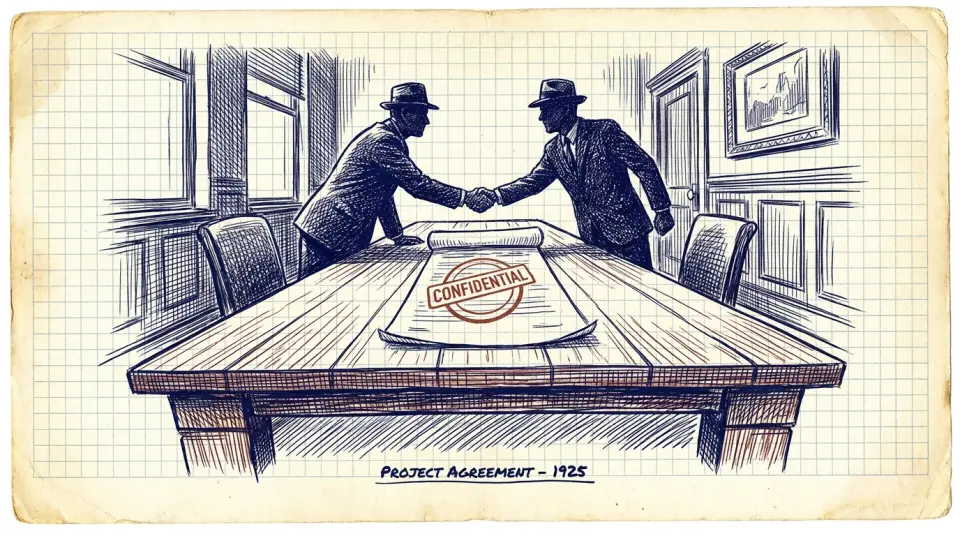
The answer is not bad luck, and it is not progress. It is a decision. A deliberate, documented, coordinated decision made in a hotel room in Geneva in nineteen twenty-four. Your bulbs die because a group of men agreed that they should. This is the story of the Phoebus cartel, the first time an entire industry got caught engineering its own products to fail. And once you see how they did it, you will recognise the exact same trick in your phone, your printer, and your washing machine.
Why did the lightbulb become too good for business?
By the nineteen twenties, the lightbulb had a problem, it was too good. The best bulbs lasted around two thousand five hundred hours. Great for you. A disaster for the companies selling them, because a customer with a bulb that never dies is a customer who never comes back.
What did the Phoebus cartel secretly agree in 1924?

So on the twenty-third of December, nineteen twenty-four, the biggest names in lighting, General Electric, Osram, Philips, and others, quietly formed a cartel. On paper, it was about 'standardising' the industry. In reality, it had one secret rule. Every bulb they sold had to burn out at one thousand hours. Not two thousand five hundred. One thousand. They took a product that already worked, and spent real engineering effort making it worse.
How did the cartel punish bulbs that lasted too long?
And they enforced it. Member factories mailed their bulbs to a central testing lab in Switzerland. If your bulbs lasted too long, you were fined. Let me say that again, these companies punished each other for making products that lasted.
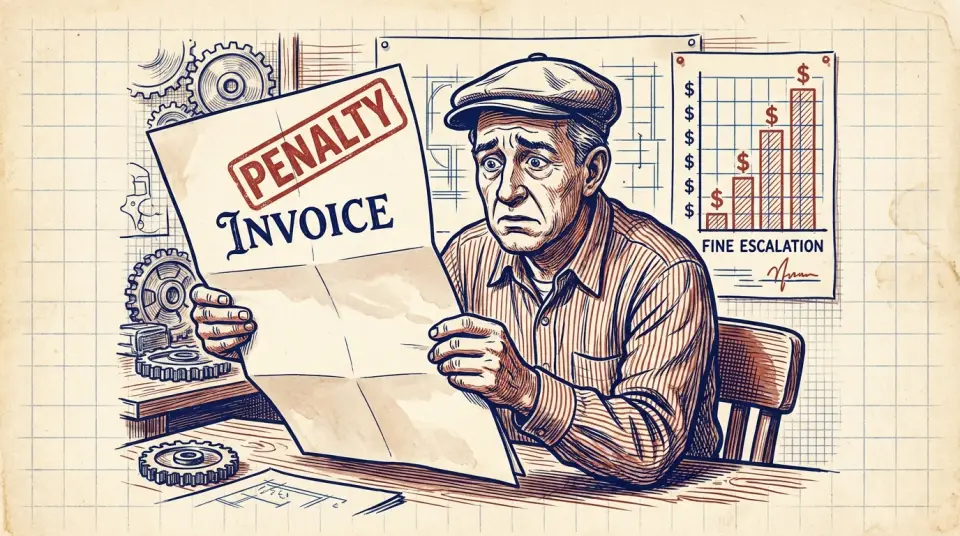
The fines got steeper the longer your bulbs survived. Burn for too many hours and the penalty could wipe out the profit on the sale entirely. The message to every factory was perfectly clear: excellence will cost you money. Mediocrity is mandatory. And it worked. Within a few years, the average lifespan of a lightbulb across the whole industry fell from two thousand five hundred hours down to the agreed one thousand. The engineers had succeeded, at making things fail.
Where did planned obsolescence go after Phoebus?
The Phoebus cartel officially collapsed during the Second World War. But they had already done the real damage. They had proven that a product designed to fail makes more money than a product designed to last, and that lesson never went away.

They just gave it a friendlier name: planned obsolescence. And it quietly moved out of the lightbulb and into almost everything you own. The printer that bricks itself when a chip says the ink is 'empty'. The phone that mysteriously slows down right as the new model launches. The appliance with a four-dollar plastic gear engineered to crack just after the warranty ends. Same trick. Same hotel room in Geneva. A hundred years later.
How can you spot products built to fail?
So how do you fight a hundred-year-old habit? You learn to read the signs before you buy. First: glued shut instead of screwed together is a confession. If a company does not want you opening it, it does not want you keeping it. Second: look for proprietary parts and sealed batteries. A battery you cannot replace is a countdown timer you paid for. Third: check whether anyone sells spare parts at all. No parts means it was never meant to be repaired.
Did the lightbulb ever escape the cartel?
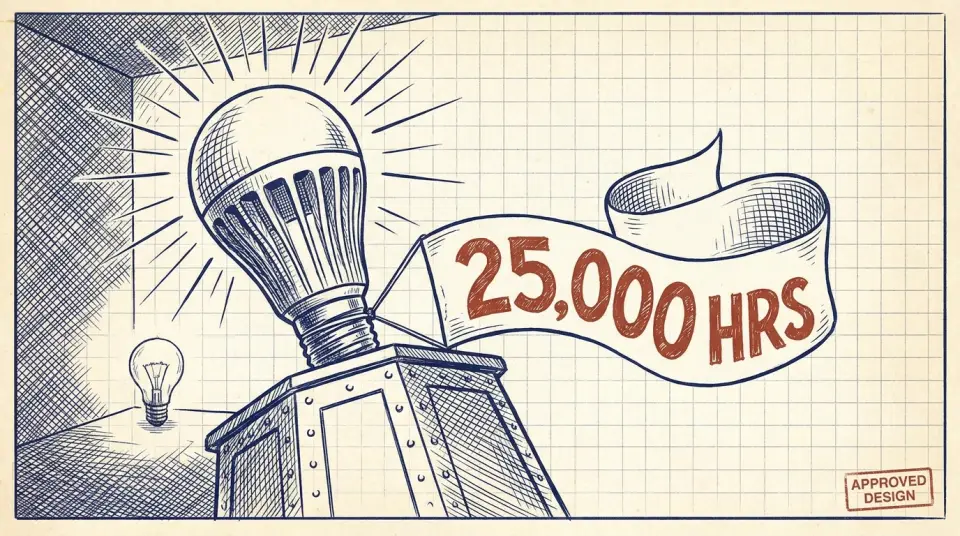
And here is the quietly hopeful part. The lightbulb actually escaped. A decent modern LED lasts around twenty-five thousand hours, twenty-five times the cartel's limit. Not because the companies got generous, but because for once, the thing that lasts also became the thing that sells. That is the whole game. They have spent a century betting that you will accept replacement as normal, that you will keep rebuying the same thing forever and call it progress. The firehouse bulb in Livermore is still glowing after a hundred and twenty years, quietly proving they were lying the entire time.

Things do not have to die on a schedule. They were only taught to. Buy the one built to last, open the ones you can, and stop paying the fine that a cartel invented a hundred years ago.
Watch this one on YouTube or subscribe to the channel for the next breakdown.