Articles / Own your tech
The Digital Illusion: Why You Don't Own Your Kindle Library
Amazon once deleted 1984 from Kindles remotely, proving that your 'purchases' are just long-term rentals. This article breaks down the mechanics of DRM, why platforms like Microsoft and Sony can delete your library, and how you can actually own your digital life.
What happened when Amazon deleted 1984 from Kindles?
In 2009, Amazon remotely deleted copies of George Orwell’s 1984 from thousands of Kindles without warning. The irony was thick, but the precedent was thinner. People woke up to find a book they had paid for simply gone, replaced by a cold digital refund for nine dollars and ninety-nine cents. This wasn't a glitch. It was a feature. It was the first mass-market proof that the 'Buy Now' button is a linguistic lie. In the digital economy, you aren't buying a product; you are purchasing a revocable license to access a file on someone else's terms.
How does DRM tie your books to a server?
To understand why your library is at risk, we have to look at the machine under the hood. Specifically, Digital Rights Management, or DRM. This is the digital padlock that tethers every book you 'own' to a specific server owned by a trillion-dollar corporation.
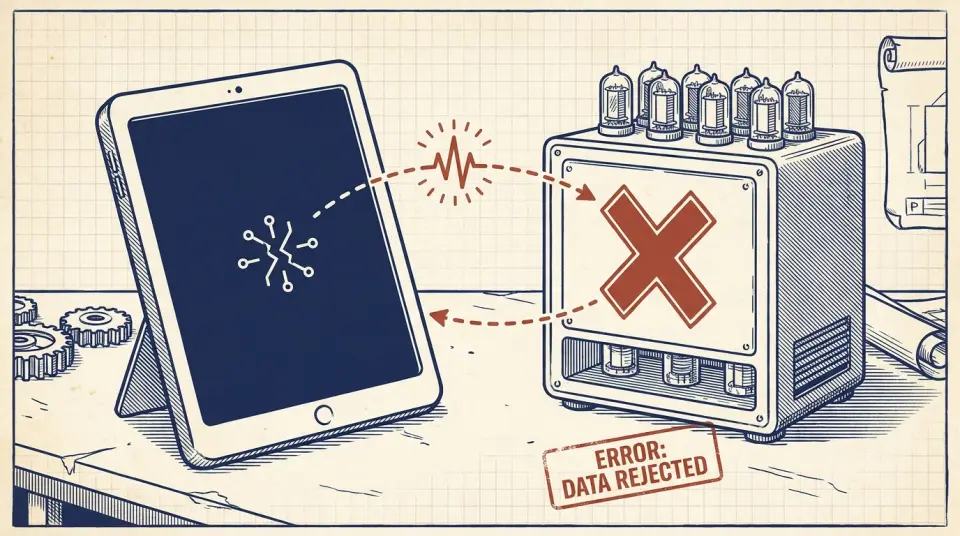
When you open a Kindle book, your device performs a silent handshake. It asks the Amazon server if you still have permission to read. If that server says no, or if the server simply disappears, the padlock stays shut. The file on your device becomes useless dead weight.
What happened when Microsoft closed its ebook store?
Consider the Microsoft Store in 2019. Microsoft decided they didn't want to be in the ebook business anymore. They didn't just stop selling books; they shut down the authorization servers. Every single customer lost their entire library overnight, regardless of what they paid. They offered refunds, sure. But you can't buy back a decade of notes, highlights, and personal history for fifteen dollars. This is the invisible tax of the digital age: you pay full price for the product, but you take one hundred percent of the platform risk.
Ledger entry: Total value of a digital library when the hosting platform pivots or fails: zero dollars.
How much money is at risk in a digital library?
Let’s look at the math of your investment. An average Kindle enthusiast might buy one book a month. At roughly thirteen dollars per title, that is an annual investment of over one hundred and fifty dollars into a system you don't control. Over ten years, that's fifteen hundred dollars. If you lose access to your Amazon account due to a billing dispute or an automated security flag, that fifteen-hundred-dollar asset vanishes instantly. There is no way to transfer those books to a new account or a different device.
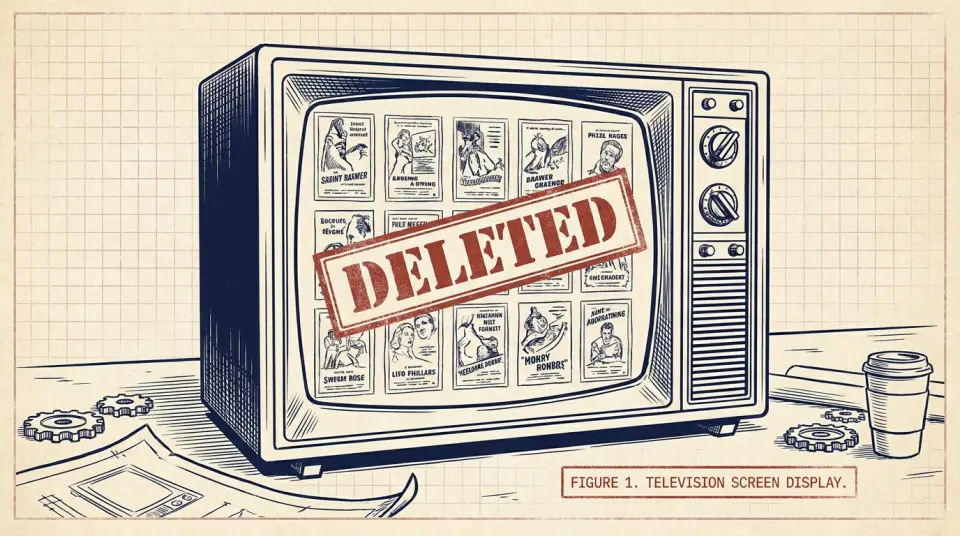
This isn't just about books. In late 2023, PlayStation users were notified that over twelve hundred Discovery titles would be removed from their libraries due to licensing shifts. People who 'bought' these shows saw them deleted without a refund. The machine is designed to prioritize the 'right to distribute' over your 'right to keep'. It treats your hard-earned money as a subscription fee for a service that can be altered or canceled at any time without your consent.
How do you buy ebooks you actually own?
So, how do we fix the ledger? It starts with recognizing the difference between a 'file' and a 'service'. To truly own a digital object, it must be portable, offline, and standard-compliant. If it requires a specific app to open, you don't own it. The first step in your escape plan is the DRM-free marketplace. Sites like Smashwords, StoryBundle, and Baen Books sell ebooks in standard EPUB formats. When you buy from them, you download a file that you can save to a thumb drive or your own personal cloud.
When you have the raw EPUB file, the corporation loses its kill switch. You can read it on a Kindle, a Kobo, your phone, or a laptop from 1998. The server can go dark, but the story stays on your hardware. The price difference is often negligible. A new release might cost fourteen dollars on Kindle and the same fourteen dollars on a DRM-free store. However, the 'owned' version has a functional value that lasts decades, while the 'licensed' version expires with the platform.
Ledger entry: Buying DRM-free turns a recurring risk into a permanent asset. The cost per year of ownership approaches zero the longer you live.
Back up your Kindle books and avoid silent edits
Step two is the 'Back Up' workflow. For the books you already have trapped in the Kindle ecosystem, there are tools like Calibre. Calibre is a free, open-source library manager that acts as a universal translator for your digital media.
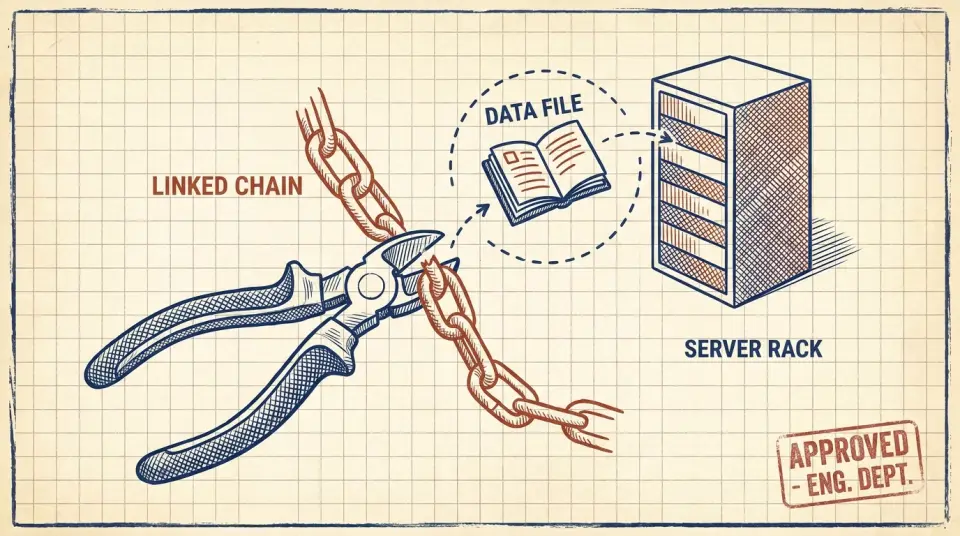
By using legal plugins to remove the DRM from books you have purchased, you convert your 'rented' library into a 'private' one. This allows you to de-tether your reading from Amazon’s data-tracking and remote-deletion capabilities. There is also a growing concern over 'silent edits'. In 2023, the works of Roald Dahl and Ian Fleming were updated on digital platforms to change specific words for modern audiences. If you 'owned' the license, your book changed automatically. If you owned the file, it remained untouched.
This isn't just about censorship; it's about the integrity of the record. A library you don't control is a library that can be rewritten. Real ownership is the only defense against a fluctuating past.
Why physical and used books keep your rights
Step three: Re-embrace physical where it matters. While digital is convenient, a physical book has 'First Sale Doctrine' protection. This means you have the legal right to sell, lend, or give away that book, rights you surrendered when you clicked 'Buy' on a digital store. Physical books often cost more upfront, let’s say twenty-two dollars for a new hardcover versus twelve dollars for the Kindle version. But the physical book has a resale value. You can sell it for ten dollars later, making your net cost only twelve.
What happens to your library when you die?
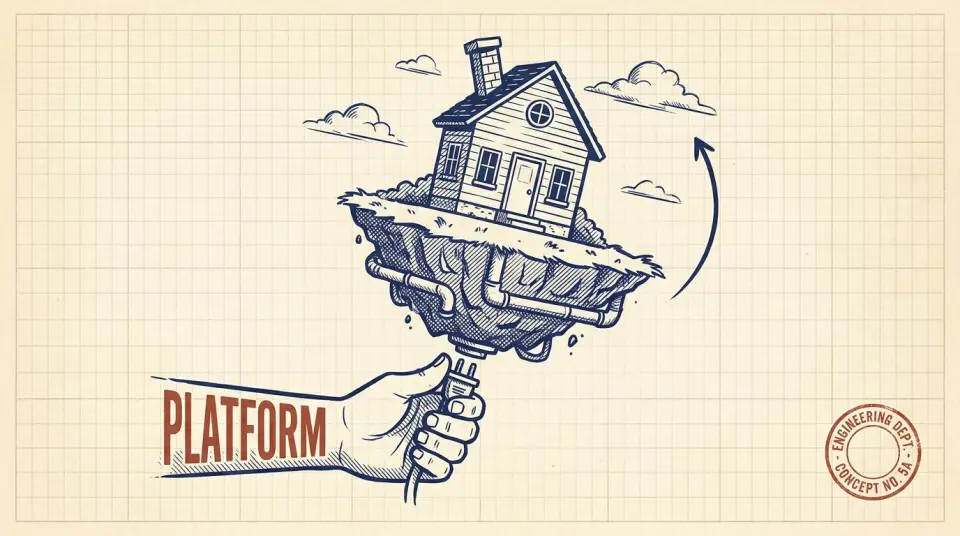
When you rely on a single platform, you are building your house on rented land. If the landlord decides to change the locks, you’re out in the cold. Digital sovereignty is about owning the land, the house, and the locks. Think about your digital legacy. When you pass away, your Amazon account cannot be legally inherited. Your library dies with you. A collection of physical books or DRM-free files, however, can be handed down to the next generation.
Ledger entry: The cost of a lost legacy is unquantifiable. The cost of a hard drive to prevent it is roughly sixty dollars. To escape the machine, you don't have to stop using Kindle. You just have to stop trusting it. Use the hardware, but diversify the source. Use the app, but keep the master files on your own iron.
Look for the 'DRM-Free' label whenever you shop. Many publishers, like Tor Books, have insisted on removing DRM because they know it only punishes the honest customer. Support the creators who trust you to own what you pay for.
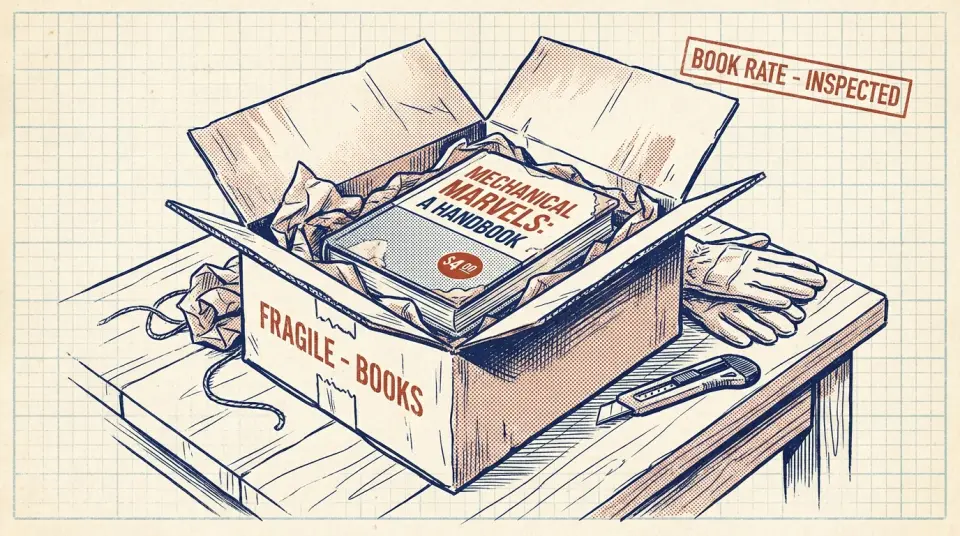
Consider the 'Used' market too. A used copy of a classic might cost four dollars including shipping. That is four dollars for a permanent, un-editable, un-trackable piece of human culture. When you compare that four-dollar permanent object to a twelve-dollar temporary license, the 'convenience' of the Kindle store starts to look like a very expensive tax on your future.
The goal isn't to be a Luddite. The goal is to be a citizen instead of a user. A user follows the UI; a citizen understands the infrastructure. Owning your library is a small but vital part of maintaining your personal sovereignty. The next time you're about to click 'Buy,' ask yourself: if the company behind this button vanished tomorrow, would I still have what I’m paying for? If the answer is no, you aren't buying. You’re just hoping.
Ledger entry: Sovereignty is the only asset that doesn't depreciate. The cost of taking control is an afternoon of setup. The cost of doing nothing is your entire library.
Start your backup today. Download your files. Look for DRM-free alternatives. Turn your digital 'rentals' into an estate that can outlast the platforms that sold them to you. Because in the end, the stories belong to the readers, not the retailers. Make sure your stories are actually yours to keep.
Watch this one on YouTube or subscribe to the channel for the next breakdown.