Articles / Own your tech
You've Paid Adobe $8,000. You Own Nothing.
If you've paid for Adobe Creative Cloud since 2013, you've handed over ~$8,000, enough for a used Honda Civic you could actually drive. This is how "Software as a Service" quietly turned owning your tools into renting them forever, and the exact free & one-time-purchase alternatives that let you evict Adobe for good.
How much does Adobe Creative Cloud really cost over time?
If you started subscribing to the Adobe Creative Cloud on day one in 2013, you have currently paid approximately eight thousand dollars. For that price, you could have bought a 2012 Honda Civic. Except, you can’t drive the Adobe. The moment you stop paying, the doors lock. Your files, your life’s work, become hostages. In the industry, we call this 'Software as a Service.' In reality, it’s closer to a digital protection racket.
Welcome to the era of the Software Landlord. Today, we’re looking at the blueprint of this trap, the math of your slow financial leak, and the tools that will let you evict Adobe forever.
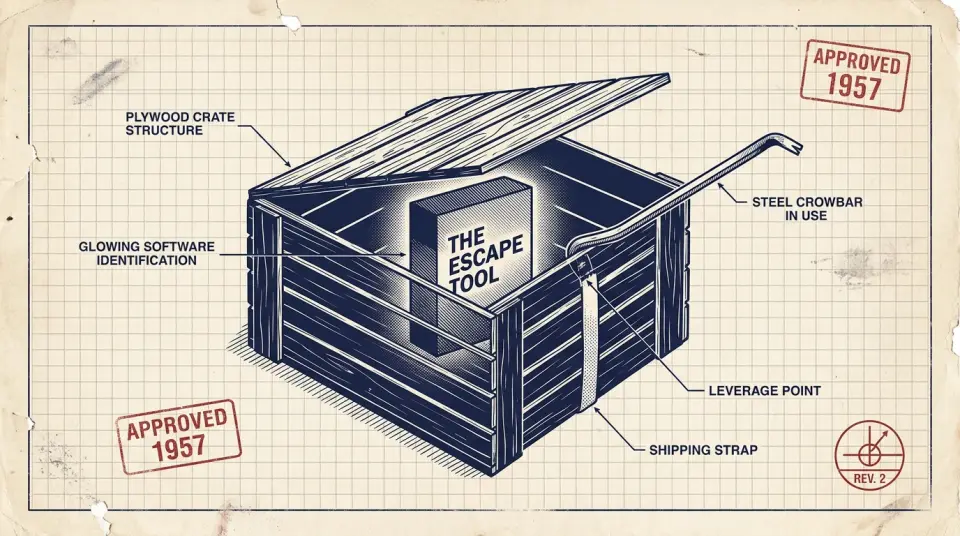
There is a specific, free tool that does 90% of what Photoshop does without the monthly interrogation of your bank account. I’ll show it to you shortly, but first, we need to understand how the cage was built.
How did software go from owned to rented?
Before 2013, you bought software like you bought a toaster. You paid for it, it lived on your desk, and it worked until it broke or you decided you wanted a shinier toaster. This was 'Perpetual Licensing.' But Adobe realized that selling you a toaster once is bad for quarterly growth. It’s much better to rent you the heating element by the minute. This is the 'SaaS' pivot. It turned a one-time transaction into a terminal parasite.
Let’s look at the ledger. $60 a month feels like a rounding error. But over a forty-year career, that is twenty-eight thousand, eight hundred dollars. That is not a subscription; that’s a mid-sized inheritance spent on the ability to hit 'Undo.'
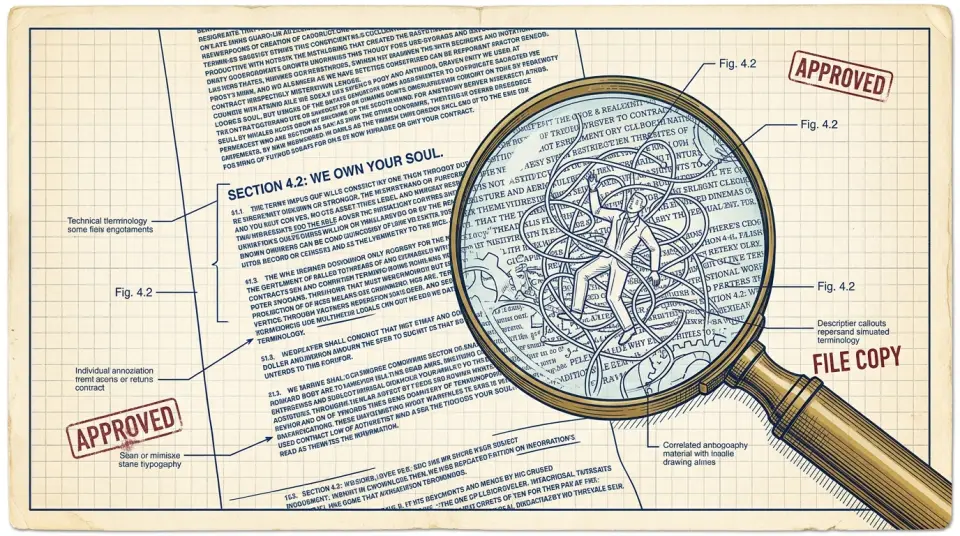
And if you try to leave? Adobe pioneered the 'Early Termination Fee.' They charge you money for the privilege of no longer giving them money. It’s the digital equivalent of a breakup fee at the end of a bad date.
What can replace Photoshop and Illustrator?
The first gate to the prison is Photoshop. It’s become a verb, which is the ultimate marketing victory. But unless you are retouching the cover of Vogue, you are likely overpaying for features you’ll never touch. Enter: Affinity Photo. It is the professional’s silent protest. It looks like Photoshop, acts like Photoshop, but it has one radical feature: you pay for it once. Around seventy dollars, and the landlord is gone.
If seventy dollars is still too much for your 'starving artist' aesthetic, there’s GIMP. It’s open-source, powerful, and has a user interface designed by people who clearly hate human joy. But it’s free, forever. Then there is Photopea. It’s a browser-based miracle that is so similar to Photoshop, it’s practically a glitch in the Matrix. It’s free, it’s fast, and it doesn't require a background check to open a PSD file.
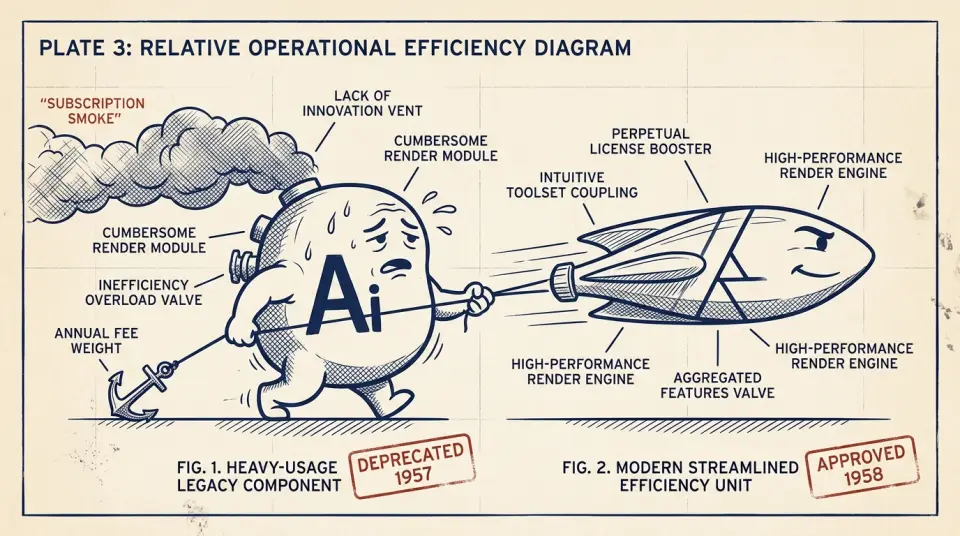
Next: Illustrator. The vector king. If you’re tired of the monthly tribute, Affinity Designer is the scalpels-out alternative. It’s faster, cleaner, and doesn’t bloat your RAM like a digital sponge. For the true open-source warrior, there is Inkscape. It’s the Swiss Army knife you found in the woods, a bit rusty, slightly confusing, but it will cut through anything if you know how to hold it.
What can replace Premiere Pro and Acrobat?
Now, let’s talk about Premiere Pro, a program famous for crashing exactly three minutes before your deadline. It’s the 'unreliable narrator' of video editing. You pay for the stress as much as the timeline. The alternative isn't just a substitute; it’s an upgrade. DaVinci Resolve. It’s used to color grade Hollywood blockbusters, and the standard version is completely free. It’s like being offered a Ferrari because you’re tired of renting a Corolla.
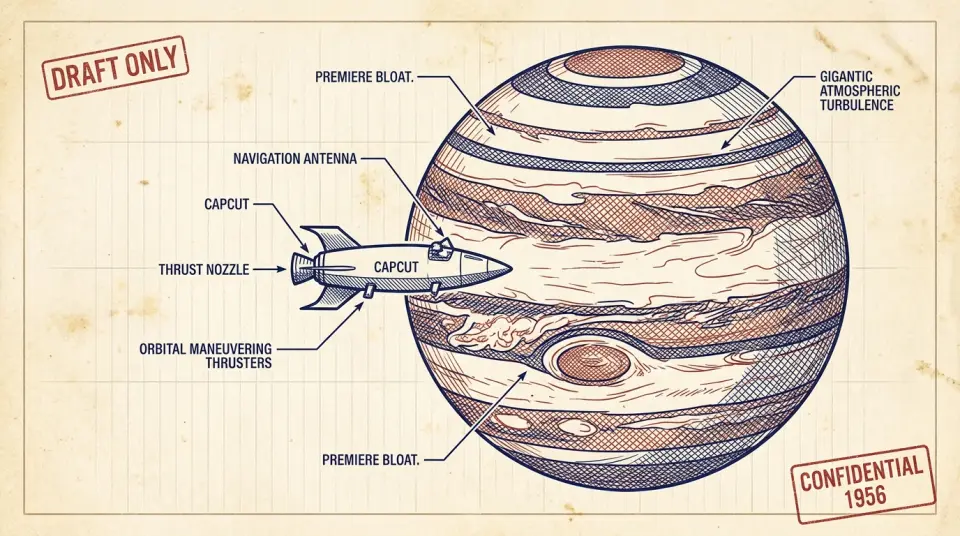
If Resolve is too heavy for your laptop, CapCut Desktop or Shotcut provide the 'escape velocity' you need. They are simple, punchy, and don't require a monthly sacrifice to the Adobe gods. But the biggest racket isn't even the creative tools. It’s Acrobat. Adobe charges you fifteen dollars a month to edit a PDF. Editing a PDF should be a human right, not a premium luxury.
Use PDFgear. It’s free. Use LibreOffice. It’s free. Even your browser can do half of what Acrobat does. Paying Adobe for PDF editing is like paying a subscription for the air inside your house.
Can LibreOffice replace Microsoft Office?
And then there’s the 'Corporate Standard', Microsoft Office. They’ve convinced every office worker in the world that they need to rent a spreadsheet. We are paying monthly for cells and rows. LibreOffice is the resistance. It’s not as pretty. It doesn't have a flashy AI assistant named 'Clippy's Ghost.' But it opens every Excel file ever made, and it costs exactly zero dollars.
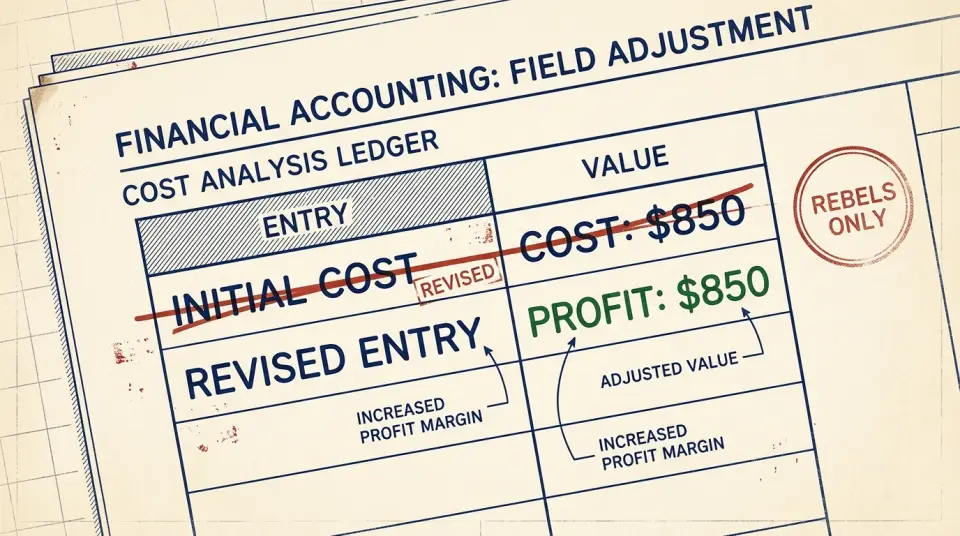
The 'Ledger Entry' for this section: By switching from the full Adobe and Microsoft suites to Affinity and LibreOffice, you save over eight hundred dollars per year. That is a permanent 10% raise for doing nothing.
Is the workflow argument a good reason to keep renting?
The counter-argument is always 'The Workflow.' 'But everyone uses Adobe!' they cry. This is the Stockholm Syndrome of the creative industry. We are defending the people who change our locks every thirty days. Modern alternatives export to PSD, SVG, and .DOCX. The walls of the walled garden are made of cardboard. You just have to be willing to walk through them.
The catch? There isn't one, other than a weekend spent learning where the buttons moved. Adobe counts on your laziness. They bet twenty-eight thousand dollars that you won't spend five hours learning a new interface.
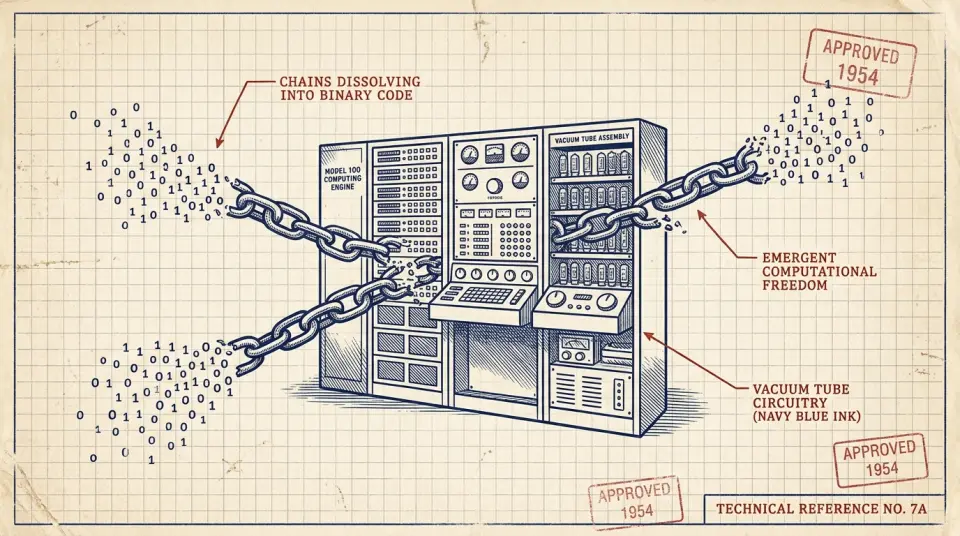
The industry term for this is, technically, 'having you by the throat.' But once you own your tools, you own your time. Your computer becomes an instrument again, rather than a terminal for your landlord's profit.
How do you leave Adobe without losing your files?
The escape is simple. Download one alternative today. Don’t cancel yet, just try it. Realize that the pixels look the same whether you rent the brush or own it. Then, send the 'I’m moving out' email. In the end, software should be a machine you master, not a debt you service. Stop being a tenant. Start being an owner. I’ll see you in the directory.
Watch this one on YouTube or subscribe to the channel for the next breakdown.