Articles / Money & mindset
When Renting Actually Beats Owning (5 Things You Should Never Buy Once)
This channel has spent eight videos telling you to own everything and rent nothing, so today we're arguing the other side, honestly. There are five real categories where renting quietly beats owning, and the numbers aren't close. By the end, the rule that survives isn't "own everything." It's sharper than that.
When is renting smarter than owning?
I've spent eight videos on this channel telling you to own everything and rent nothing. Cancel the subscriptions. Buy the tool. Stop paying twice for things you already paid for once. Today I'm going to argue the opposite, because sometimes renting isn't the trap. It's the smart move. Here are five things you should never buy once, five categories where renting quietly wins the math, and owning turns into an invisible tax of its own. Not because rental companies are generous. Because some assets are built to lose value the moment you take them home.
The old question was rent or own. Wrong question. The real one: how fast does this thing lose value, and how often will you actually use it? Answer those two, and the five categories build themselves. Let's open the machine.
Why rent fast-depreciating tech like a $1,600 GPU?
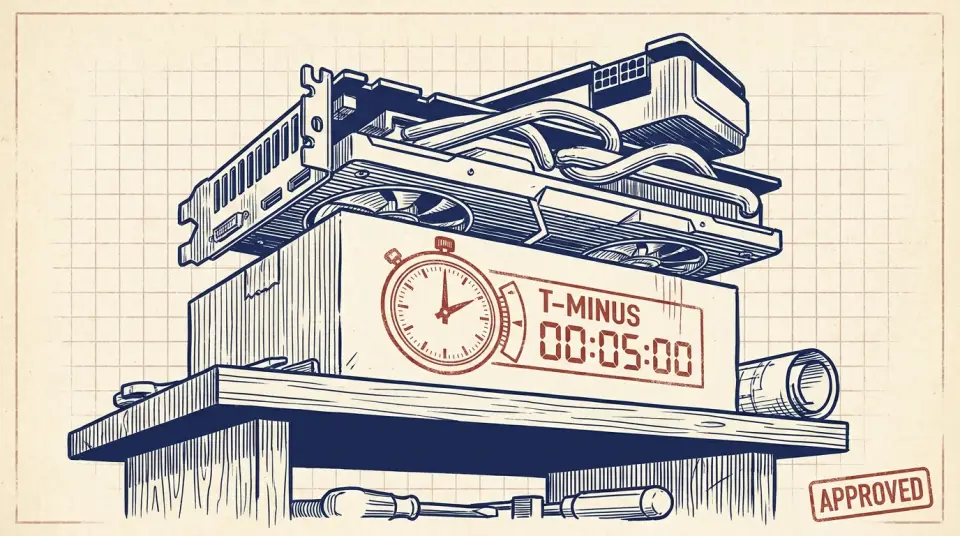
Category one: anything that depreciates the moment it's cutting-edge. Technology built to be obsolete by design. If you buy the newest, fastest version of something, you're not buying an asset. You're buying a countdown timer. Take a high-end graphics card for machine learning work. A top-tier GPU runs around sixteen hundred dollars. In two years, for serious AI workloads, it's basically outclassed. You bought a brick that used to be a rocket.
Compare that to renting cloud compute. Services like RunPod or Lambda Labs charge roughly one dollar an hour for that same power. A one-off project needing forty hours of training costs about forty dollars. No box, no fan noise, no resale value crawling toward zero. Ledger entry: buy the card, and two years from now you own roughly sixteen hundred dollars of dead silicon. Rent the compute instead, and you spent forty dollars, then walked away clean. The math isn't close.
Tools you use twice a year: rent the tile saw
Category two: tools you'll use twice a year, if that. This is where garages go to die. The tile saw. The carpet cleaner. The pressure washer. The eight-foot ladder that only comes out once every eighteen months. A decent tile saw costs roughly one hundred fifty dollars to buy. You'll use it for one bathroom project, then it sits in a corner for three years, collecting dust and blocking the lawnmower.
Rent the same saw for a weekend and it runs around forty dollars. Do that math over ten years of occasional home projects, and renting wins every time, plus you never store a machine you quietly resent looking at. Same story for a carpet cleaner. Buying one costs around two hundred dollars. Renting it for a day runs about thirty five. Unless you're cleaning carpets monthly, the machine you bought is really just an expensive dust cover.
Ledger entry: tools used less than three times a year cost more to own than to borrow, every time, once you count the shelf space, the depreciation, and the version that breaks the one week you actually need it.
Assets with brutal storage and maintenance costs
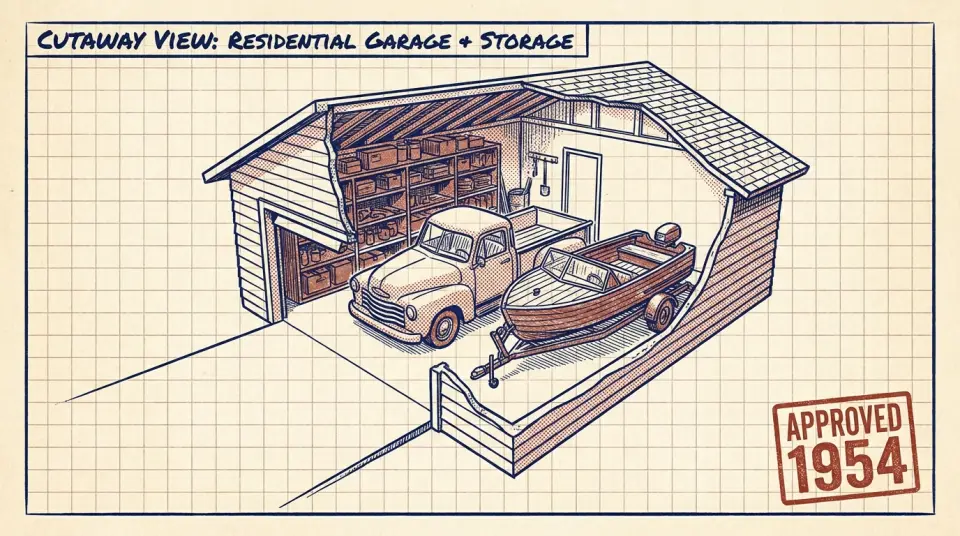
Category three: things with brutal storage or maintenance costs attached, even when the sticker price looks fine. This is where the real invisible tax lives, not in the purchase, in the parking spot. A pickup truck for hauling. If you need one three times a year, buying costs roughly forty five thousand dollars, plus insurance, plus a driveway spot it occupies the other three hundred sixty two days.
Renting one for a run to the hardware store costs about twenty dollars an hour at most home improvement stores. Three trips a year is roughly sixty dollars total. You just avoided forty five thousand dollars of depreciation for a truck bed you needed for ninety minutes. Boats are the extreme version of this. The old joke is the two best days of owning a boat are the day you buy it and the day you sell it. Marina fees, winterizing, engine work, the boat depreciates while it just sits at the dock.
Ledger entry: assets that need a dedicated parking spot, a maintenance contract, or a trailer to move, rent them until the math tells you otherwise. Ownership here isn't a flex. It's a recurring bill wearing a costume.
Music and film catalogues: the honest streaming exception
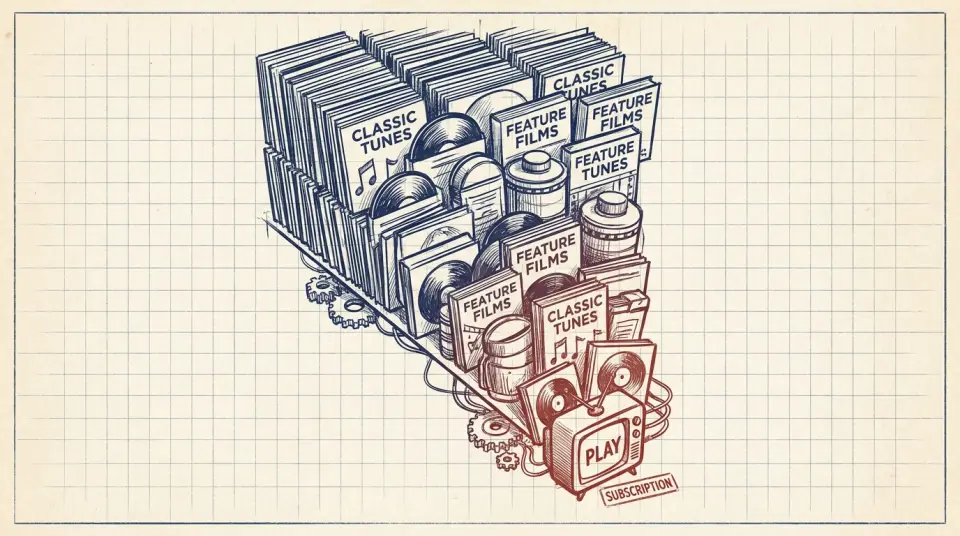
Category four is the uncomfortable one, because this channel has spent months telling you streaming is a trap. Here's the honest exception: catalogue access. When the point is discovery, not repetition, renting the whole library beats buying any single title. Spotify holds roughly one hundred million songs. Buying even a fraction of that at a dollar a track would cost more than most people spend on housing. The subscription isn't paying for songs, it's paying for the right to try things before you commit.
The mistake isn't subscribing to a catalogue. The mistake is subscribing to a catalogue and never buying the handful of albums or films you actually rewatch every year. Rent the firehose of new. Own the shortlist you return to. Ledger entry: a subscription that helps you discover four new albums a month is doing its job. The failure mode isn't the subscription, it's paying for discovery long after discovery has quietly stopped happening.
Software that has to keep updating to stay useful
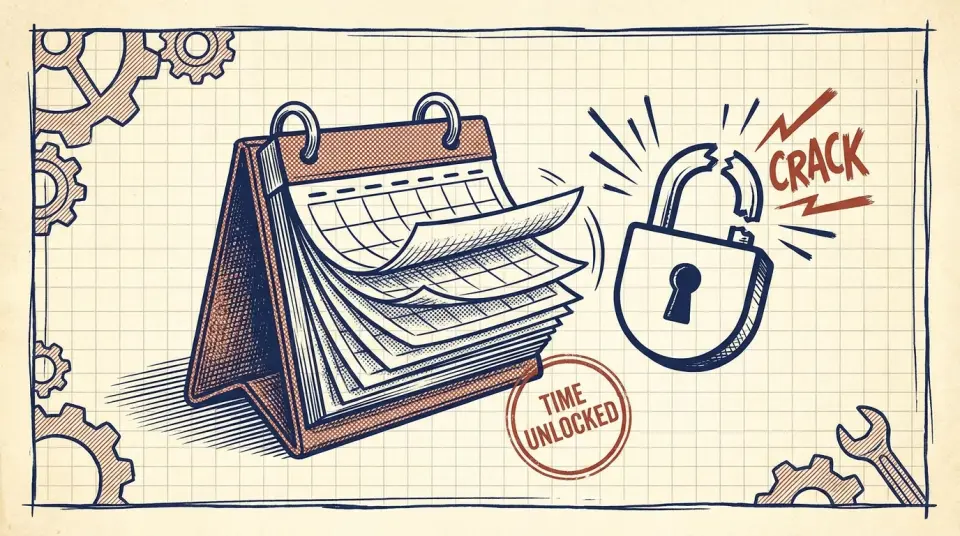
Category five: software that has to keep moving to stay useful. Tax rules change every year. Security threats change every week. A perpetual license on either one doesn't age, it rots. Tax software is the clearest case. The tax code itself changes annually, so last year's program is calculating against rules that no longer exist. A yearly subscription to something like TurboTax, roughly sixty dollars, buys you this year's actual rulebook.
Security software works the same way. A one-time-purchase antivirus from four years ago can't recognize a threat invented last month. You're not paying for the software anymore. You're paying for someone to keep watching so you don't have to. Same logic applies to a professional app you need for exactly one project, video editing software for a single freelance gig, say. A month of access runs roughly fifty dollars. The perpetual license for the same tool can run over seven hundred.
Ledger entry: anything that must stay current to stay useful, tax rules, security patches, one-project software, you're not really buying the program. You're buying its maintenance. Rent the maintenance. Don't pretend a license freezes time.
Own what lasts, rent what rots
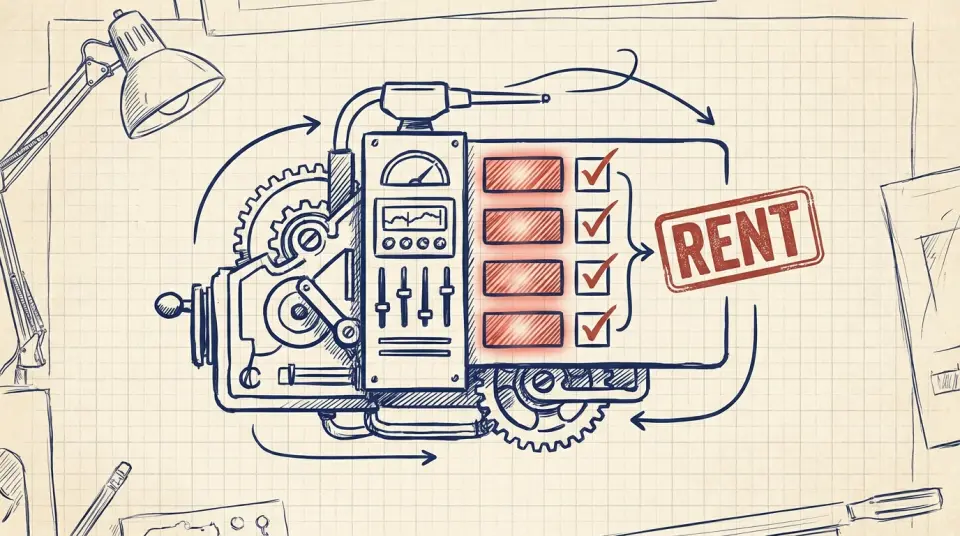
So here's the line that actually organizes all five: rent what depreciates fast, what you use rarely, what costs more to store than to borrow, or what has to stay constantly updated to work at all. Own what holds its value. Own what you use constantly. Own what lasts for years without needing a patch or a parking spot. Own what you'd genuinely be lost without tomorrow morning.
Own what lasts. Rent what rots. That's the whole rule, and it was hiding inside every video this channel has made. I just never said it that plainly until an episode forced me to argue against myself. The enemy was never renting. The enemy is renting the things you use every single day, the ones that would've been cheaper to own in year one and every year since. That's the subscription trap. This was never about that.
Run the same two questions on anything in your house right now. How fast does it lose value. How often do you actually reach for it. The answer tells you which side of the ledger it belongs on, no loyalty required. Five things worth renting: bleeding-edge compute, once-a-year tools, storage-heavy assets, discovery catalogues, and software that has to keep moving. Everything else, the stuff you touch daily, still belongs on the owned side of the ledger.
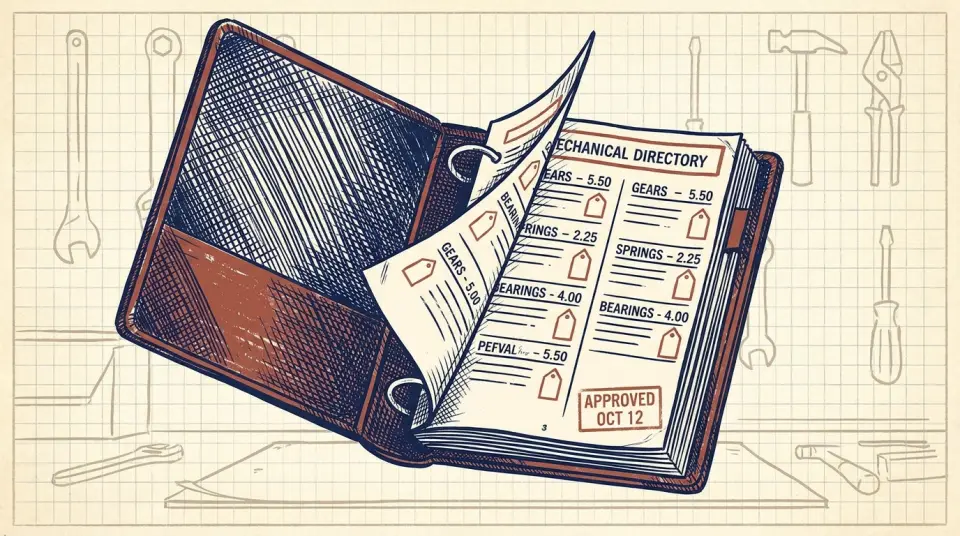
If you want the shortcut for figuring out which side something belongs on, that's exactly what the Owned Life Directory does, categorized, priced, and built to stop you paying twice for things you already paid for once. Own what lasts. Rent what rots. Everything else is just math wearing a strong opinion.
Watch this one on YouTube or subscribe to the channel for the next breakdown.