Articles / Money & mindset
Why You'll Own Nothing by 2030
In 2016 the World Economic Forum predicted: "You'll own nothing, and you'll be happy." Half of that is coming true. Your software, your movies, your car's features, even your appliances are quietly becoming rentals you never stop paying for. This is how ownership is dying, the corporate logic behind it, the lifetime math of renting vs owning, and exactly how one person reclaims what's theirs.
Will you really own nothing by 2030?
In 2016, the World Economic Forum posted a video with a bold prediction: 'You’ll own nothing. And you’ll be happy.' While the 'happy' part remains highly debatable, the 'own nothing' part is currently being installed on your hard drive without your permission. We are currently living through the Great Transition. It’s the systematic dismantling of private property in favor of 'Access as a Service.' Your grandfather owned his truck, his tools, and his music collection. You? You’re essentially a long-term tenant in your own life.
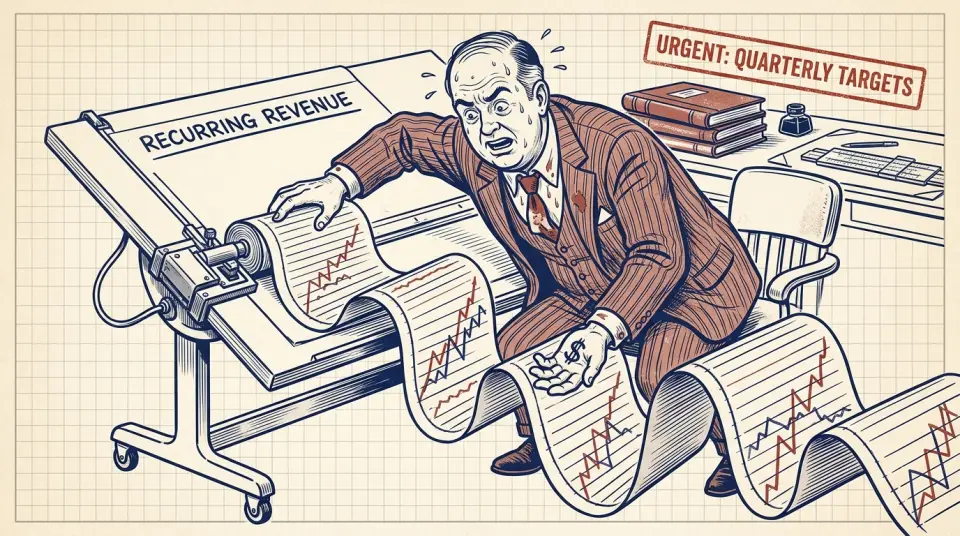
This isn't an accident. It’s a deliberate engineering feat designed by MBAs who realized that selling you a product once is a failure. Selling you the permission to use that same product every month until you die? That’s a miracle. Take the modern car. You used to buy it, drive it, and maybe hit it with a hammer when it acted up. Now, car companies are experimenting with 'feature subscriptions.' Want heated seats? That’ll be eighteen dollars a month. Want the engine to go faster? Upgrade your 'performance tier.'
It’s a digital enclosure. We’ve traded the security of the deed for the convenience of the cloud, and in the process, we’ve turned our bank accounts into a sieve. Let’s look at the mechanics of this racket and how to plug the holes.
Why do companies prefer subscriptions to one-off sales?
Wall Street hates 'lumpy' revenue. If you buy a lawnmower today, the manufacturer doesn't see a dime from you for another ten years. That makes investors nervous. They prefer 'smooth' revenue, a steady, predictable drip-feed of your hard-earned cash. To achieve this, corporations had to turn products into 'platforms.' Software led the charge. Adobe famously switched from a thousand-dollar suite to a fifty-dollar-a-month ball-and-chain. Microsoft followed. Now, even your lightbulbs want a login.
The logic is always the same: 'It’s more affordable up front!' And it is. For the first six months. But over a lifetime, the math is a massacre. You aren't paying for a service; you’re paying an invisible tax for the privilege of not being locked out. Consider the 'smart' appliance. We’ve reached the point where your washing machine might refuse to spin because it couldn't connect to the Wi-Fi to verify its subscription status. This isn't innovation; it’s a hostage situation in the laundry room.
Do you really own the digital movies you buy?
And if you think your digital library is safe, think again. When you 'buy' a movie on a digital storefront, read the fine print. You didn't buy the movie. You purchased a 'limited, non-transferable license' to view it until the platform decides otherwise.
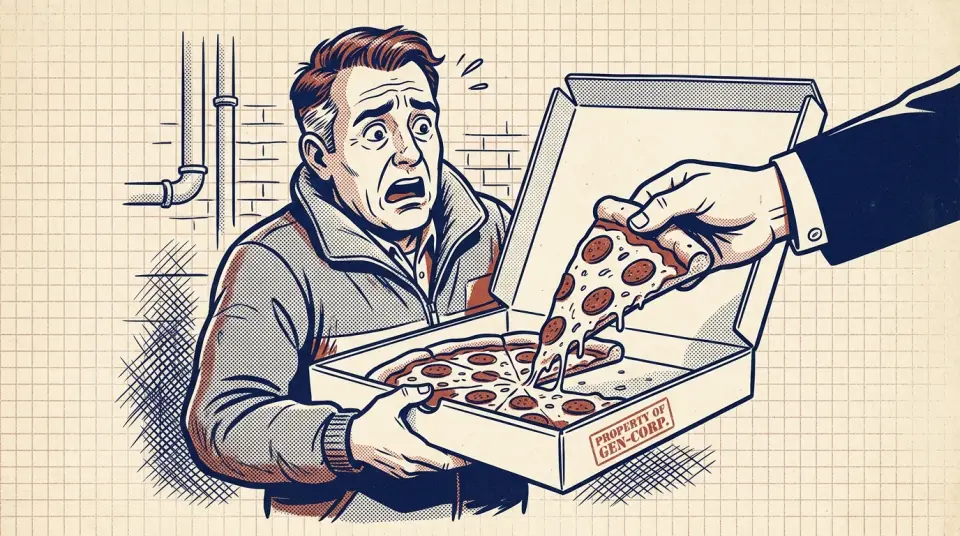
Entire libraries have vanished overnight because of licensing disputes. You are paying full price for a 'maybe.' It’s like buying a pizza, but the chef reserves the right to come to your house and take the last two slices back. This creates a state of perpetual insecurity. You can’t pass your digital life to your children. You can’t sell your old games to a neighbor. You are the end of the line, a consumer who consumes, but never accumulates.
The psychological trick is the 'Frictionless Payment.' When money is just a digital blip that leaves your account on the 15th of the month, you stop feeling the sting. It’s death by a thousand paper cuts, if the paper was also charging you interest. We’ve been conditioned to value 'access' over 'equity.' We want the 40 million songs on Spotify, even though we only listen to the same three nostalgic playlists. We want the 10,000 movies on Netflix, even though we spend 40 minutes scrolling and then fall asleep.
What does a lifetime of streaming and rentals cost?
This brings us to the Streaming Hydra. Every time you cancel one service, two more appear. Paramount Plus, Peacock, Disney Plus, Max... the market has fragmented so much that 'convenience' has become its own full-time job.
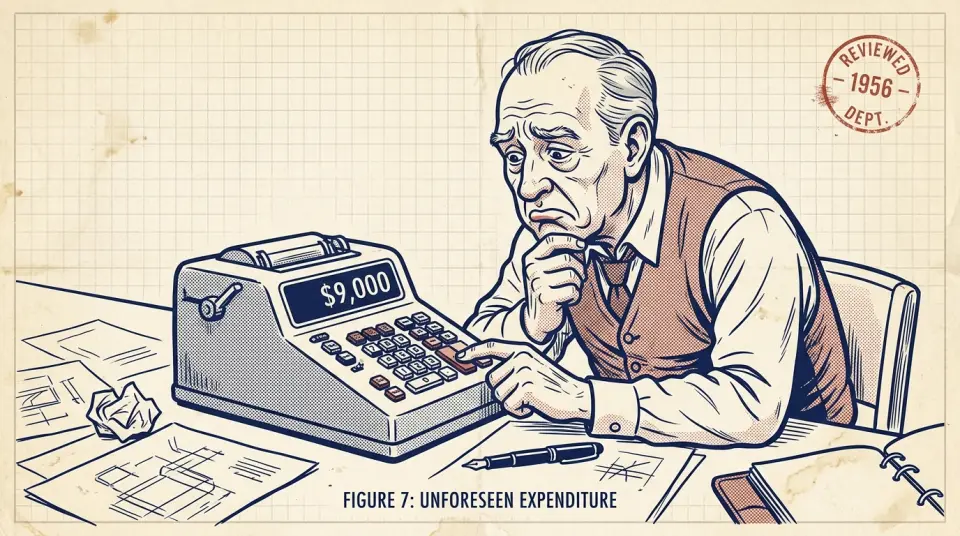
Let’s look at the 'Vampire Math.' If you pay 15 dollars a month for a service from age 20 to 70, you’ve handed over 9,000 dollars. For that price, you could have owned the entire discography of your favorite bands, twice over. But wait, it gets worse. You also don't own the data. Your habits, your preferences, and your 'usage patterns' are harvested and sold back to advertisers. You are paying a monthly fee to be the product. It’s a beautifully efficient circle of exploitation.
Even the tools of our trades are being rented back to us. Designers used to own their software. Now, if they hit a rough patch and can't pay the monthly fee, they lose access to their own past work. Their portfolio is effectively held for ransom. The 'Rent-an-Appliance' trend is the final frontier. In some cities, you can rent your furniture, your fridge, and even your clothes. It’s a lifestyle built on a foundation of sand. If the paycheck stops, the entire house literally disappears.
How do you move from access back to assets?
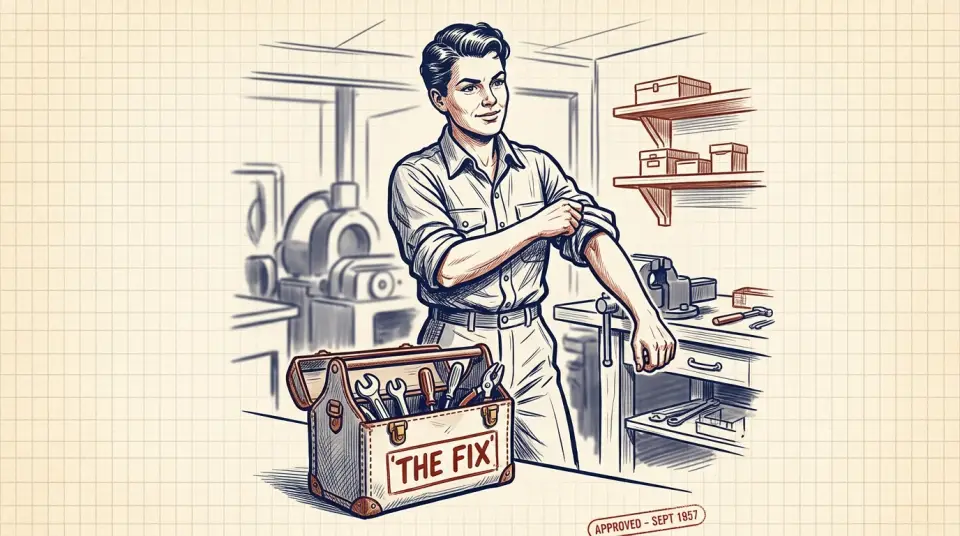
So, how do we dismantle the Hydra? How do we reclaim the 'Owned Life'? It starts with the most visible offender: the media stack. The goal is to move from 'Access' back to 'Asset.' Step one is the 'Rotation Strategy.' Stop paying for five streaming services at once. You can only watch one show at a time. Subscribe for one month, watch your show, and cancel immediately. Use the 'One-In-One-Out' rule.
But that’s just mitigation. If you want true independence, you need a Media Server. Meet Jellyfin and Plex. These are software tools that let you host your own Netflix, using files that you actually own and reside on your own hardware. With a personal server, you buy a movie once, on a physical disc or a DRM-free download, and it stays there forever. No licensing disputes. No 'content leaving the platform.' No monthly fee. Just your movies, on your terms.
Next, reclaim the airwaves. An Over-The-Air (OTA) antenna is a one-time purchase of thirty dollars. It gives you free, high-definition local news, sports, and major networks. It’s 1950s tech that still beats 2024 pricing. Then, rediscover the Library. Not just for books, but for digital media. Apps like Libby and Kanopy allow you to stream movies and borrow ebooks for the exorbitant price of zero dollars, subsidized by your existing taxes.
Physical media is making a comeback for a reason. A 4K Blu-ray doesn't care if a studio has a corporate merger. It doesn't need an internet connection to work. It is a 'hard asset' in a world of digital ghosts. The 'Ledger Entry' for this shift is staggering. By moving from a five-service streaming stack to a server and antenna setup, the average person saves over 800 dollars a year. That’s a vacation. Or a very good lawnmower you actually own.
Why buy the dumb version of appliances and software?
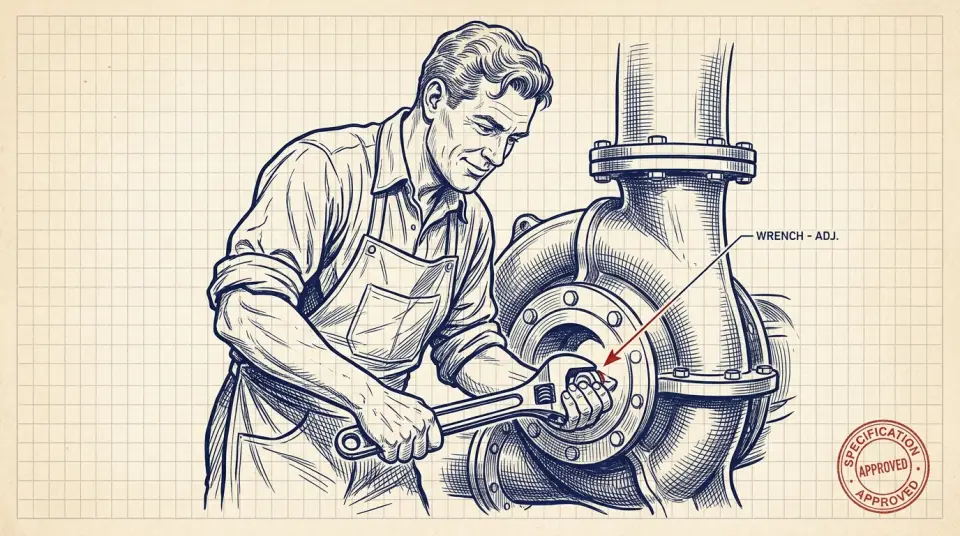
But ownership is about more than just money. It’s about agency. When you own your tools, you are a master. When you rent them, you are a customer. One of those has power; the other has a help-desk ticket. This philosophy applies to everything. Buy the 'Dumb' version of appliances whenever possible. A 'dumb' fridge lasts twenty years. A 'smart' fridge is a brick the moment the manufacturer decides to stop supporting the app.
Look for 'One-Time Purchase' software. It still exists, hidden under the mountain of subscriptions. Apps like Affinity for design, or DaVinci Resolve for video. They want your business, not your soul. The corporations want you to believe that ownership is 'too much work.' They want you to believe that maintaining your own files or hardware is a burden. They are selling you a 'carefree' life that actually leaves you fragile.
Fragility is when your entire digital life can be wiped out by a credit card expiration or a terms-of-service change. Resilience is when you have the files on a drive, the tools in the shed, and the deed in the drawer.
Is owning really more work than renting?
Let’s talk about the 'Maintenance Myth.' People say, 'I don't want to own because then I have to fix it.' But when you rent, you pay for the 'fixing' anyway, it’s just baked into the monthly fee, along with a healthy profit margin for the landlord. When you own, you have the option to fix it, upgrade it, or sell it. When you rent, you have the 'option' to keep paying or lose everything. The choice is between being a stakeholder or a subscriber.
The 2030 goal of 'owning nothing' is only possible if we remain passive. It relies on our laziness and our love of the 'Auto-Renew' button. To fight back, we have to re-introduce friction into our financial lives. Friction means checking the statements. Friction means saying 'no' to the smart-toaster. Friction means buying the DVD at the garage sale for a dollar. It is the friction that builds a life of substance.
What can you cancel and replace this week?
Imagine a world where your monthly expenses are actually low. Not because you’re deprived, but because you already own the things you need. Your house is paid for, your tools are yours, and your library is permanent. That is the ultimate financial 'hack.' It’s not about earning more; it’s about needing less from the system. Every subscription you cancel is a tiny declaration of independence.
The corporations will keep pushing. They will try to rent you your shoes next. They will try to put a subscription on your sleep tracker. They will frame it as 'wellness.' It is not wellness; it is a leash. But you have the blueprint now. You know the mechanics of the trap. You know the value of the asset over the access. You know that 'convenience' is often just a fancy word for 'dependency.'
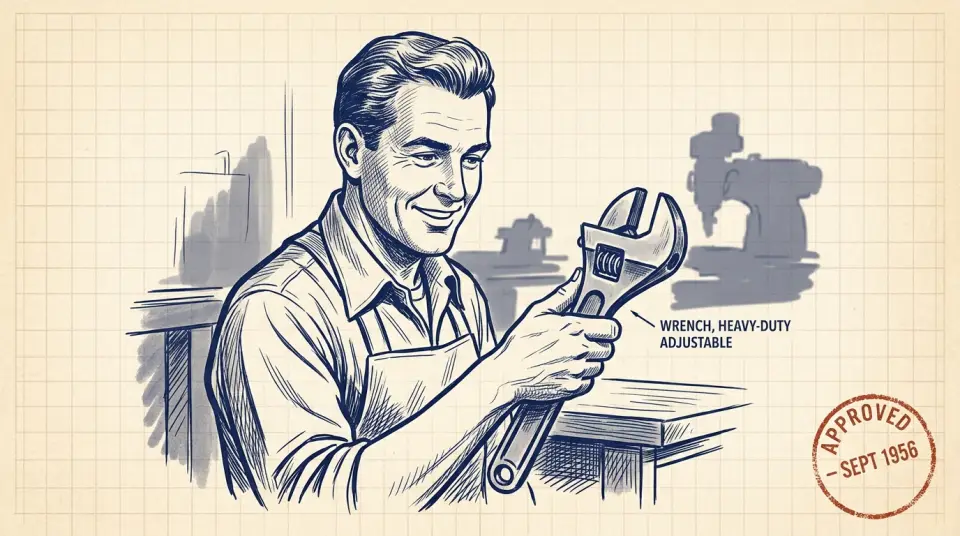
Start small. Pick one subscription this week, the one you use the least, and replace it with a permanent alternative. Buy the album. Buy the software. Buy the physical tool. Feel the weight of it in your hand. Ownership is a habit. It requires a bit more effort upfront, but it pays dividends in peace of mind. You aren't just a user; you’re an owner. And that makes all the difference when the 2030 deadline rolls around.
The ledger for today is simple: The cost of 'Access' is infinite. The cost of 'Ownership' is fixed. Choose the one that doesn't treat you like a battery to be drained. Your life is not a service. Stop paying for the trial version. Reclaim your stuff. We’ll be here to help you draw the plans.
Watch this one on YouTube or subscribe to the channel for the next breakdown.