Articles / Subscriptions
The Free Trial Is a Machine Built to Make You Forget
Roughly two out of three free trials quietly convert into paid subscriptions, not because the product got better, but because a 70-year-old billing trick did exactly what it was designed to do. This is the psychology and history behind 'free,' from 1955 record clubs to the FTC's 2023 lawsuit against Amazon, plus the three rules that let you use free trials without ever getting trapped.
Why do most people never cancel a free trial?
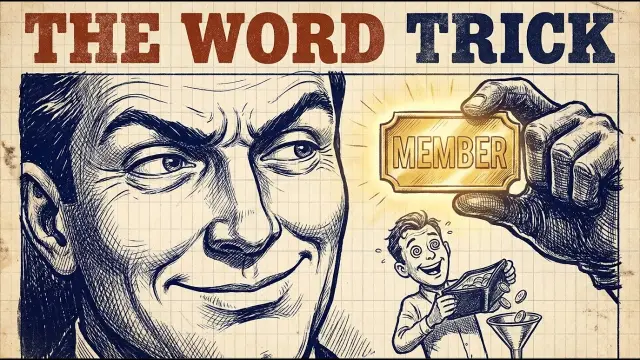
Roughly two out of three people who start a free trial never cancel it. They simply start paying, quietly, automatically, without ever deciding to. That's not a coincidence. Free trials aren't generosity, they're a machine, built over seventy years, engineered so that doing nothing costs you money. Today we're taking it apart.
Where negative option billing began in 1955
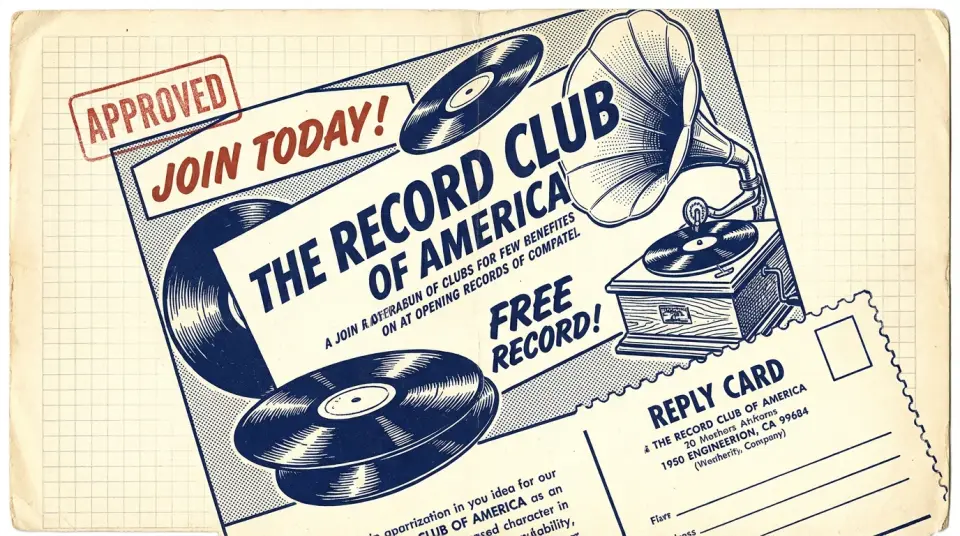
The blueprint dates to 1955, when the Columbia Record Club invented 'negative option billing.' Join for free, and albums arrived every month automatically, unless you mailed back a card saying no. Most people never mailed the card. Negative option billing has one rule: silence equals consent. Say nothing, and the company assumes yes. It worked so well for book clubs and record clubs that it became the default model for nearly every recurring business that followed.
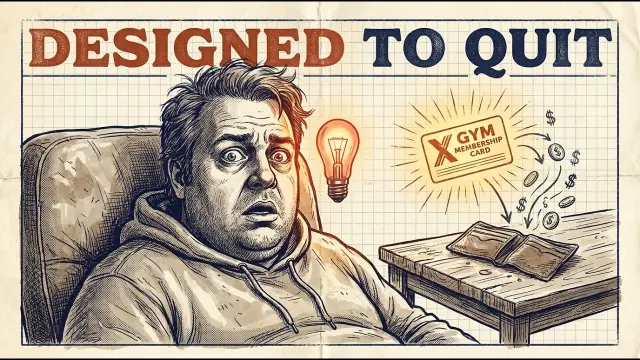
Fast forward to today. Netflix, Adobe, Amazon Prime, your gym, same machine, just wearing a sleeker interface. The free trial is the modern mailing card. The only difference is you never even see the card you're not returning. Here's the mechanism, stripped down. Day one: you enter a card number for something that's 'free.' Day seven or day thirty: that same card gets charged automatically. Nobody calls you. Nobody asks again. The switch just flips.
How free trials use ownership and friction
In 1990, economists Kahneman, Knetsch, and Thaler handed college students a coffee mug. Owners demanded twice as much to sell it as buyers were willing to pay for the identical mug. Ownership, even for five minutes, doubled its perceived value.
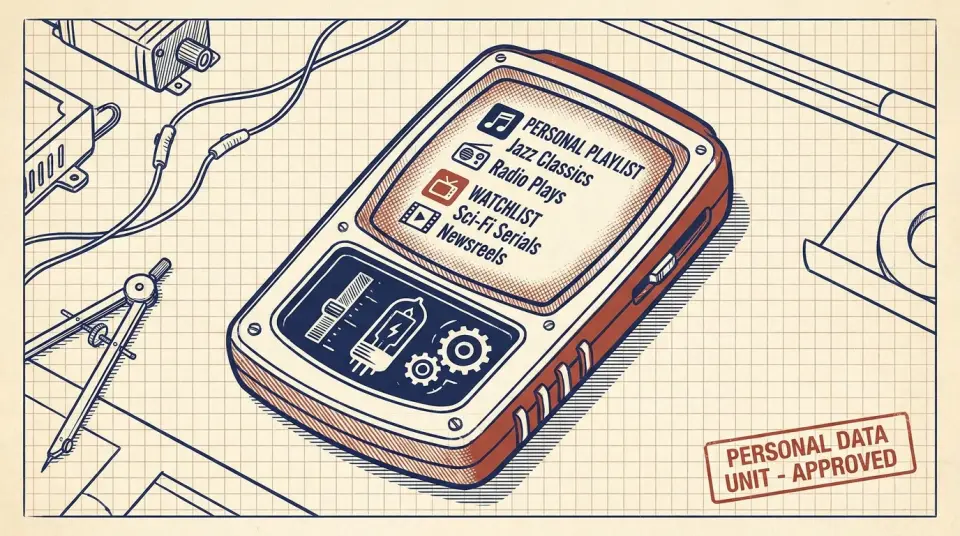
A free trial manufactures that same ownership. By day ten you've built a Netflix queue, a Spotify playlist, a Notion workspace full of your notes. It already feels like yours. Canceling doesn't feel like avoiding a cost, it feels like losing something you own. Then there's friction, deliberately unequal. Signing up for Amazon Prime takes two clicks. The FTC sued Amazon in 2023, alleging cancellation took four pages and six clicks, a process employees reportedly nicknamed the 'Iliad Flow,' after a poem nobody finishes.
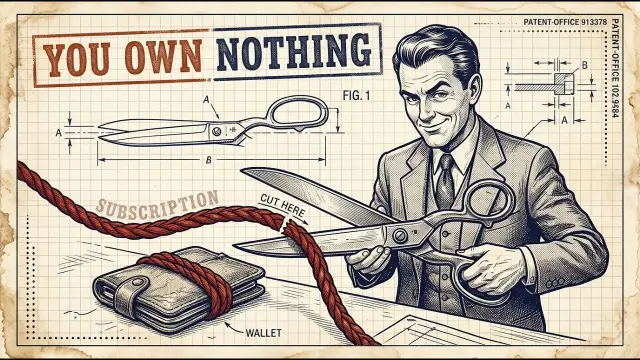
That asymmetry is the point. Every extra click is a chance for you to give up and stay subscribed. Behavioral researchers call it a 'roach motel' design, you can check in easily. Checking out is where the machine earns its money.
Present bias, sunk cost and default bias
Add the calendar gap. Thirty days feels distant and abstract on the day you sign up, a future problem for future you. Psychologists call this present bias: we consistently underweight things that happen later, even by a few weeks.
There's also the sunk cost of setup. You typed in your card number, verified your email, imported your contacts or your music library. Small efforts, but each one makes quitting feel like undoing work, even when the app itself does nothing yet. Finally, default bias. A famous study on 401k enrollment found that switching from opt-in to opt-out raised participation from thirty-seven percent to eighty-six percent, same choice, same paperwork, just a different default. Free trials default you into paying. That's the whole design.
Ledger entry: five separate psychological effects, ownership, friction, forgetting, sunk cost, and default bias, all stacked on top of a single 'free' button. None of them require the product to be good.
The $219 a month subscription gap
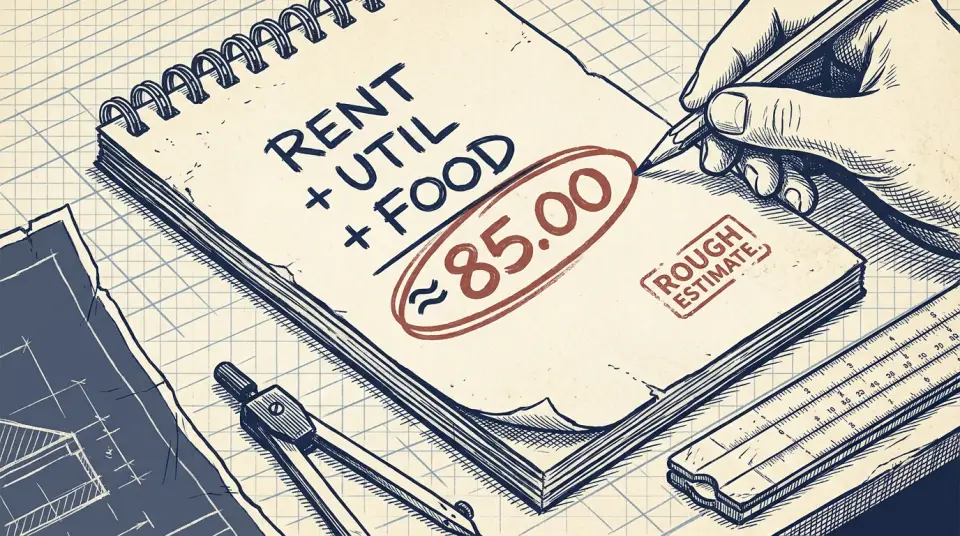
So what does this actually cost? Survey respondents in one nationwide study guessed they were paying about eighty-six dollars a month across all their subscriptions combined. Their real bank statements told a different story: roughly two hundred nineteen dollars a month. The gap between what people think they spend and what they actually spend was over a hundred thirty dollars, every single month.
Multiply that gap across a year and you get close to sixteen hundred dollars, money leaving your account for services you forgot you agreed to, sitting quietly on a statement you don't read closely. Picture a single forgotten trial. A nine-dollar-a-month streaming app, signed up for during a free week, forgotten for half a year. That's roughly fifty-four dollars gone before you even notice the charge on your statement.
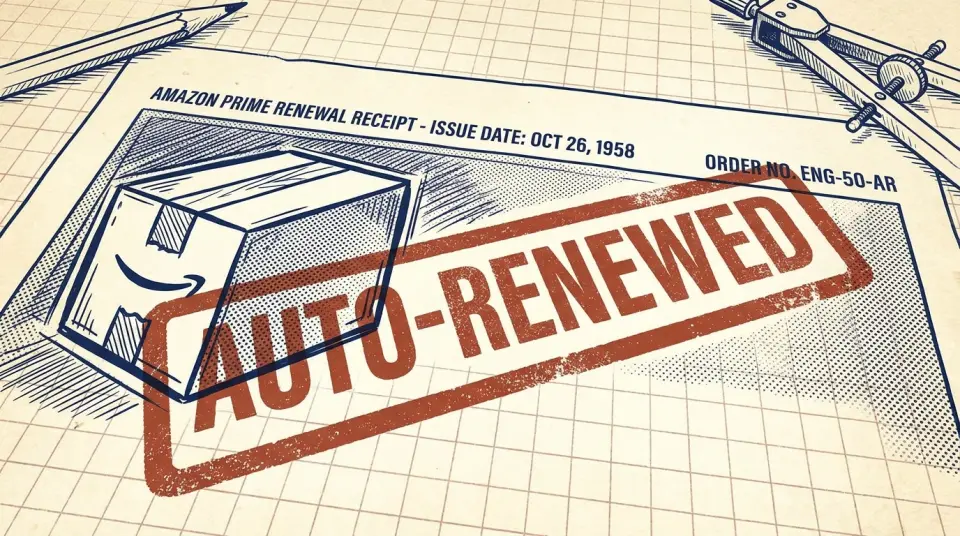
Or the annual version: Amazon Prime's yearly plan renews automatically at one hundred thirty-nine dollars. Skip the trial reminder once, and you've prepaid for a full year of two-day shipping you may not have wanted. Now stack three or four of these across a typical household, one streaming trial, one meal kit, one software subscription, one forgotten gym plan. That's not pocket change anymore. That's roughly a car payment, paid annually, to your own forgetfulness.
Ledger entry: the average gap between perceived and actual subscription spending runs about sixteen hundred dollars a year, a tax collected not by the government, but by your own calendar.
Rule one: a cancel reminder with the dollar amount
None of this makes free trials evil. It makes them a machine, and machines have parts you can inspect and disable. Here are the three rules that flip the mechanism back in your favor. Rule one: set the cancel-day reminder on the day the trial starts, not the day you remember. Put the actual charge date and dollar amount in your calendar title, not 'cancel Netflix,' but 'Netflix charges you fifteen dollars today.'
That specificity matters. A vague reminder gets swiped away in half a second. A reminder with the exact number forces your brain to make a real decision again, instead of coasting on the default the company already picked for you.
Rules two and three: virtual card, decide first
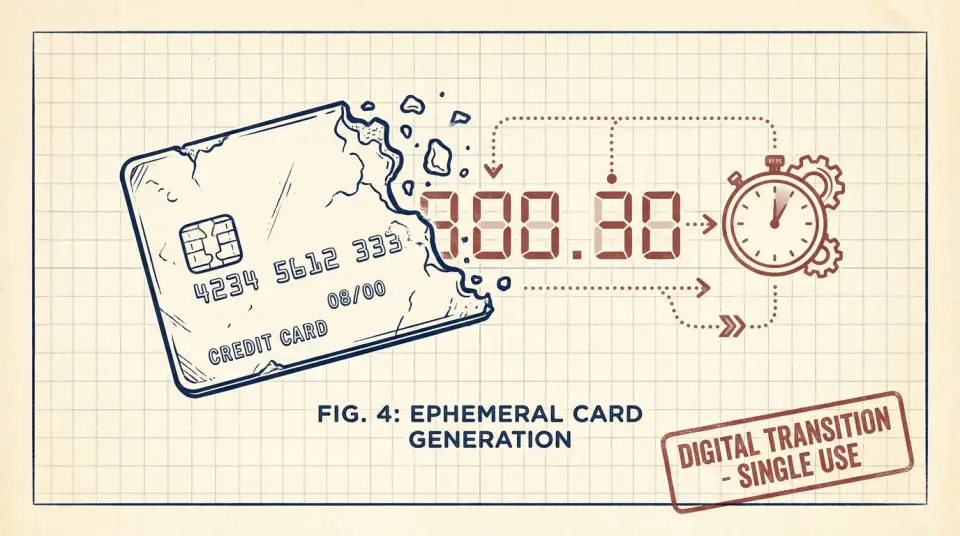
Rule two: use a virtual card. Services like Privacy dot com, or your bank's own virtual-card tool, let you set a spending cap or an auto-expiring number for exactly one payment. When the trial tries to auto-renew, the charge simply bounces. Instead of quietly taking your money, the company has to email you asking for a new card, which means you, not the calendar, make the final call.
Rule three: decide before you start. Before entering any card number, ask one question out loud, would I pay full price for this today? If the honest answer is no, the free trial isn't a gift. It's a countdown to a charge you already know you'll regret. Regulators noticed the same pattern. In 2024 the FTC finalized a 'click to cancel' rule, requiring companies to make canceling as easy as signing up. It's a start, but until it's fully enforced, the three rules above are your actual defense.
To recap the blueprint: reminder on day one, with the real dollar amount. A virtual card that expires on its own. And a decision made in advance, before the free button ever gets pressed. Do this across a year, and the math flips. Instead of sixteen hundred dollars leaking out through five or six forgotten renewals, you keep the two or three subscriptions actually worth paying for, on purpose, at a price you chose.
Ledger entry: three habits, maybe ten minutes of setup, against a machine that was quietly costing the average household well over a thousand dollars a year. That's a good trade by any measure.
What a free trial really is
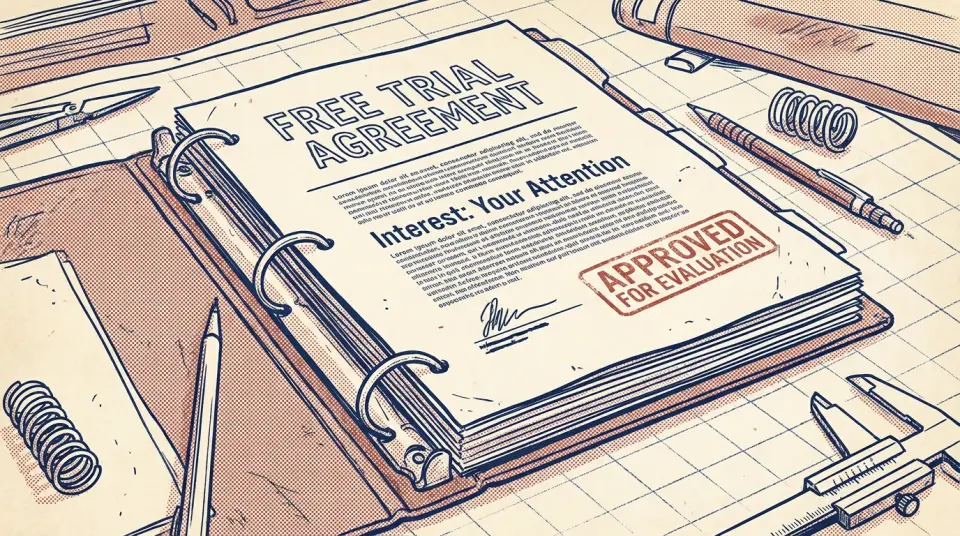
The truth about 'free' is simple: nothing about the trial is free, it's a loan, a loan of your attention, made on the bet that you won't collect the interest. Most people don't. Now you know exactly why. So next time a button says 'try free for thirty days,' remember what's actually being tested. It's not the product. It's whether you'll remember to say no. Set the reminder. Use the card. Decide first. Keep the thirty dollars.
Watch this one on YouTube or subscribe to the channel for the next breakdown.