Articles / Built to break
The Invisible Tax: Why You Aren't Allowed to Fix Your Stuff
If you can't open it, you don't own it. This article breaks down the 'Black Box' engineering used by major companies to force you into a never-ending replacement cycle.
Why do manufacturers shred repairable laptops?
This is a one-thousand-four-hundred-dollar laptop. It is currently being fed into an industrial shredder. The reason isn't a shattered screen or a fried processor. It is being destroyed because a single charging port, a component that costs roughly fifteen dollars, is soldered to the main board. In the last decade, we have transitioned from owners to high-priced tenants. We buy machines, but we do not possess them. When a five-dollar capacitor fails, the manufacturer tells you the machine is dead. They aren't selling you a tool; they are selling you a countdown timer.
How screws, glue and parts pairing block repair
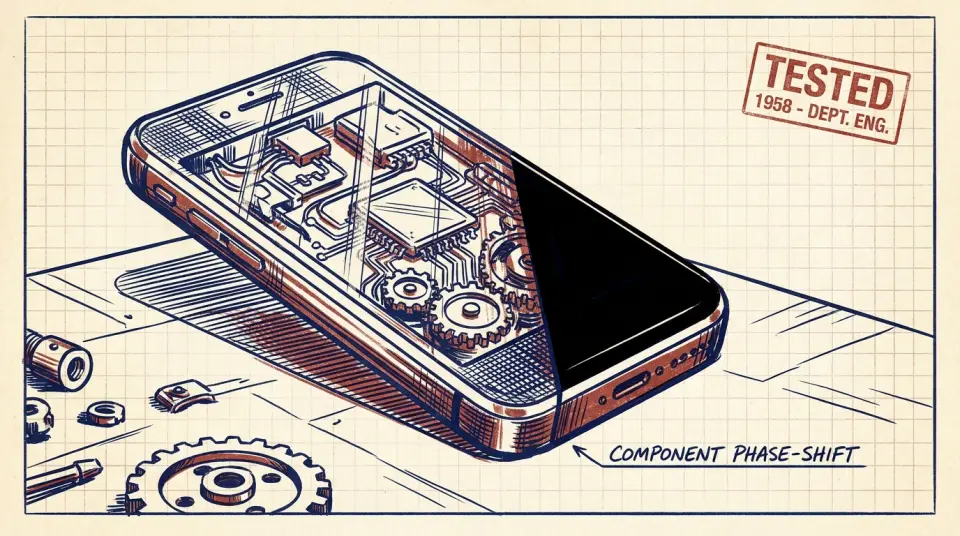
The mechanism of this control is called 'The Black Box strategy.' It is a deliberate engineering choice to make the internal workings of a machine invisible and inaccessible. If you cannot see how it works, you cannot see why it broke. And if you can't see why it broke, you have to buy a new one.
The first tool in the Black Box kit is the proprietary screw. Take the Pentalobe screw used by Apple. It serves no structural purpose that a standard Phillips head couldn't handle. Its only job is to ensure that the average person lacks the specific driver needed to see inside their own property. Then there is the glue. Modern tablets and laptops are often held together with industrial-grade adhesives rather than mechanical fasteners. To replace a battery, a part that is guaranteed to chemically degrade, you must use heat guns and solvents. It is engineering designed to be destructive upon entry.
But the most effective lock isn't physical. It is software-based 'parts pairing.' This is a digital handshake between components. If you swap a broken screen for a genuine one from an identical phone, the software recognizes the new serial number and disables features like Face ID or brightness adjustment. This turns the machine into a gated community. The manufacturer is the only one with the digital key to 'authorize' a repair. If they decide your device is too old, they simply stop issuing the keys. At that moment, your perfectly functional hardware becomes e-waste.
What did John Deere's software locks cost farmers?
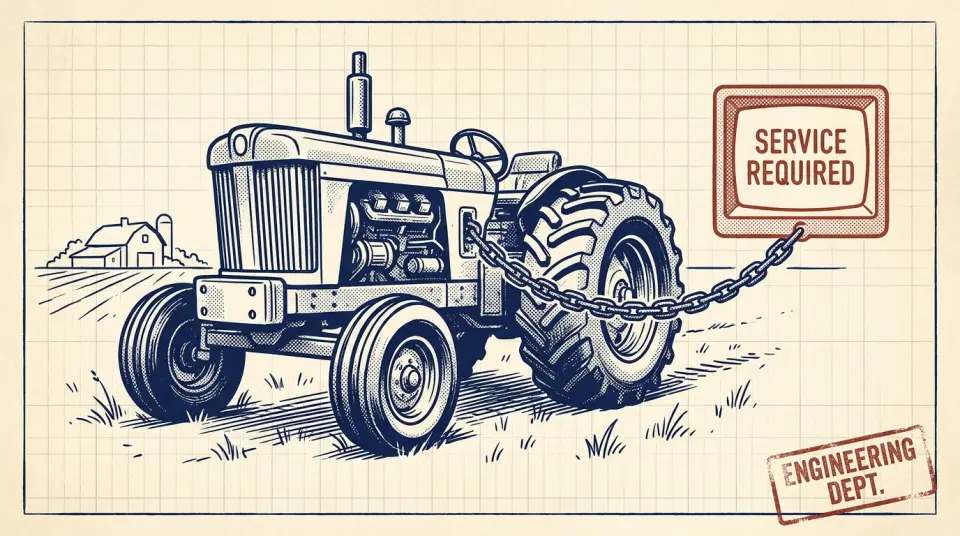
Consider the modern tractor. John Deere famously uses software locks that prevent farmers from fixing their own equipment in the field. A sensor failure that should take ten minutes to swap can leave a half-million-dollar machine idling for days while waiting for an 'authorized' technician. The technician often just plugs in a laptop and clicks 'Authorize.' For this three-minute software handshake, the farmer might be charged several hundred dollars. This isn't a service fee. It is a ransom paid to use the machine they already paid for.
What is the repairability tax?
This system creates what I call the 'Repairability Tax.' It is the difference between the cost of a replacement part and the cost of the entire machine. If a washing machine control board costs forty dollars but the manufacturer refuses to sell it to you, the tax is the six hundred dollars you spend on a new unit.
Ledger entry: By making machines unfixable, manufacturers have effectively shortened the lifespan of household goods by roughly thirty percent over the last two decades. For an average home, this is an invisible tax of nearly twelve hundred dollars every single year.
Is repairing cheaper than replacing?
To understand the scale of this, we have to look at the math of the 'Replacement Cycle.' In a world where things can be fixed, you buy a high-quality blender once every fifteen years. In the Black Box world, you buy a mediocre one every four years. The high-quality blender might cost three hundred dollars. The cheap, unfixable ones cost eighty dollars each. Over fifteen years, you spend three hundred twenty dollars on the cheap ones. You've paid more for a worse experience and generated forty pounds of plastic waste in the process.
This math applies to everything. A professional-grade vacuum cleaner can last twenty years with ten-dollar belt changes. A modern 'disposable' vacuum lasts three years before the motor housing, which is glued shut, burns out. Replacing it costs another two hundred dollars. The cost of the 'disposable' lifestyle is cumulative. If you repair your phone, your laptop, and your appliances, you aren't just saving the cost of the parts. You are avoiding the 'Maturity Cliff', the point where a manufacturer stops supporting your device to force an upgrade.
Let's look at the smartphone. A new flagship costs roughly eleven hundred dollars. A screen repair at a local shop might cost one hundred fifty. If you fix it instead of upgrading, you keep nearly a thousand dollars in your pocket for another two years.
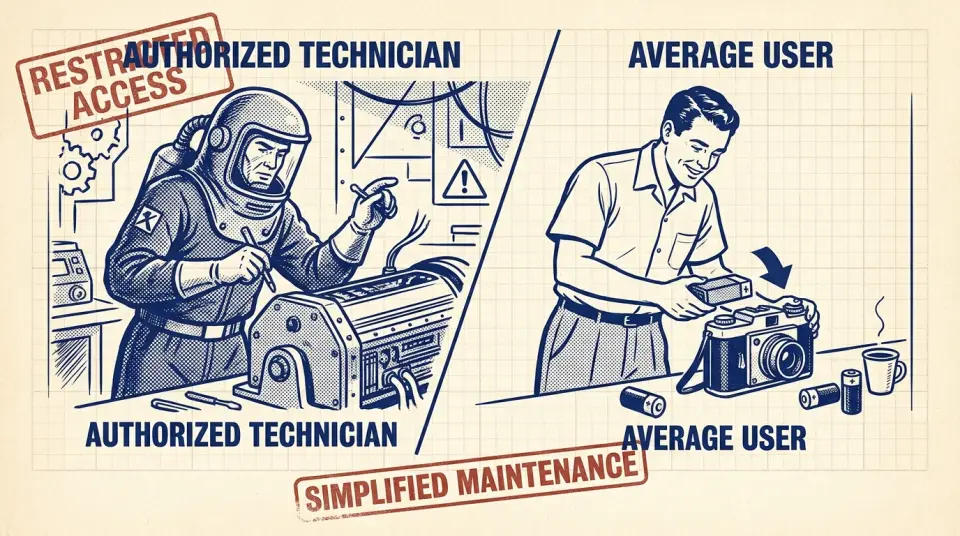
The manufacturers argue that repair is a 'safety risk.' They claim that only their technicians are qualified to handle lithium-ion batteries. Yet, these same companies use the same batteries in 'user-replaceable' formats for other regions. The risk isn't to your safety; it's to their quarterly revenue. The reality is that eighty percent of common electronics failures are simple mechanical issues. A loose charging port. A clogged fan. A degraded battery. These are not 'high-tech' problems. They are maintenance tasks, no different from changing the oil in a car.
Ledger entry: Choosing repairable goods over 'disposable' equivalents saves a typical individual roughly twenty-five thousand dollars over their working lifetime. That is the price of a mid-sized sedan, lost to the convenience of the throw-away economy.
Who is fighting for the right to repair?
The tide is starting to turn. In Europe, new regulations are forcing manufacturers to make batteries user-replaceable by 2027. In the US, states like California and Minnesota have passed laws requiring companies to provide parts and manuals to the public.
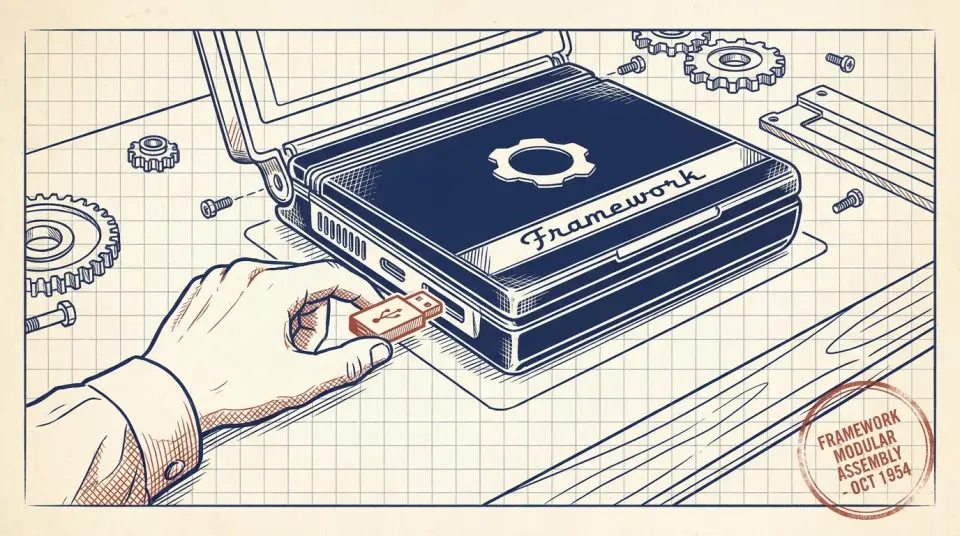
We are seeing the rise of 'Anti-Black Box' companies. Take Framework. They make a laptop where every single component, from the screen to the ports, is modular. You can upgrade the processor without throwing away the keyboard or the casing. Fairphone does the same for mobile. Their phones receive a repairability score of ten out of ten from iFixit. This isn't because they are 'simple' machines. It's because they are designed with the assumption that the person who bought it actually owns it.
How to buy repairable products
The escape from the replacement cycle starts with a change in purchasing habits. Before buying any piece of technology, check its 'iFixit Repairability Score.' If a product scores below a five, you aren't buying it. You are renting it until it breaks. Second, value modularity over aesthetics. A slightly thicker laptop with visible screws is vastly superior to a razor-thin one that is glued shut. The thinness is a marketing gimmick that comes at the cost of your future bank balance.
Third, build a basic 'Repair Kit.' You don't need a lab. A set of precision drivers, some plastic prying tools, and a magnetic mat will cost you roughly thirty dollars. This kit will pay for itself the first time you clean a dusty charging port instead of buying a new phone.
Where to find repair guides and honest repair shops
When something breaks, your first stop shouldn't be the store. It should be a repair manual. Websites like iFixit provide free, step-by-step guides for thousands of devices. They rank steps by difficulty, so you know exactly what you're getting into before you start.
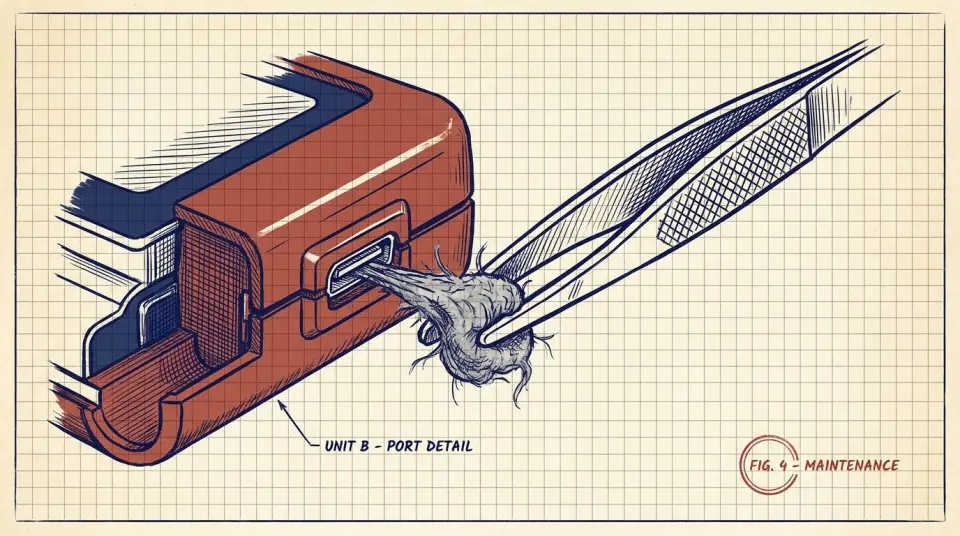
You will find that many 'broken' items are just dirty. A pair of headphones that stopped charging often just has a pocket-lint-filled port. A 'dead' vacuum cleaner often just has a clogged filter. These fixes cost zero dollars and take five minutes. For appliances, look for the 'Exploded View' diagram. Almost every major appliance manufacturer publishes these. They show every screw and spring in your dishwasher or dryer. You can find the exact part number for a broken door latch and order it for twelve dollars online.
If you don't feel comfortable doing the work, find an independent repair shop. Avoid the 'Genius Bars' and 'Authorized Centers.' They are often incentivized to tell you a repair is impossible so they can sell you the latest model. The independent tech has a different incentive: they want to solve the puzzle. They are the doctors of the machine world. Supporting them keeps the repair ecosystem alive and keeps the pressure on manufacturers to provide parts.
Ledger entry: Shifting from 'Authorized' repairs to DIY or independent shops reduces annual maintenance costs by roughly sixty percent. This is the difference between a machine that serves you and a machine you serve. True ownership is the ability to inspect, modify, and repair the things you buy. If a company denies you the right to fix your property, they are telling you that you don't actually own it. You are merely a user, and users are expected to pay for the privilege of existing.
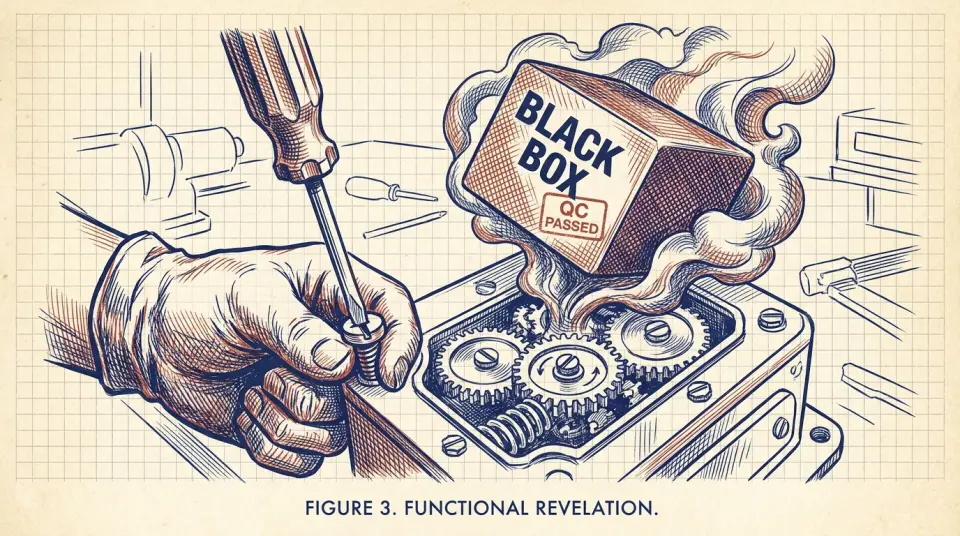
When you pick up a screwdriver, you are performing a small act of rebellion against a system designed to waste your money. You are claiming a level of competence that the modern economy would prefer you didn't have. The next time something breaks, don't look for your credit card. Look for the screws. Because if you can't open it, you don't own it. But if you can fix it, it’s yours forever. And that is the ultimate ledger entry.
Watch this one on YouTube or subscribe to the channel for the next breakdown.