Articles / Built to break
Why Everything You Buy is Engineered to Fail
There is a lightbulb in a California fire station that has been burning since 1901. Your phone can't last three years. That's not an accident, it's a business model. This is the century-old story of planned obsolescence: the glued-shut batteries, the software slowdowns, the fashion cycles engineered to make you buy the same thing over and over, and the Buy-It-For-Life escape that ends the cycle for good.
Why does a 1901 light bulb outlast everything you own?
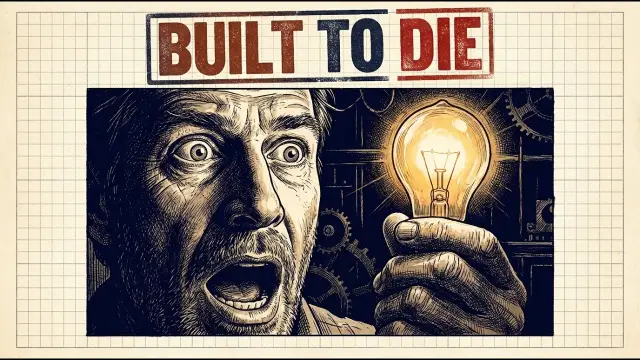
In a fire station in Livermore, California, there is a light bulb that has been burning since 1901. It has outlived its installers, the building's original foundation, and the very concept of 'getting your money's worth.' Modern engineers look at this bulb not with pride, but with professional horror. To a manufacturer, a product that lasts 120 years isn't a triumph, it’s a catastrophic loss of recurring revenue. It's a 'leak' in the profit pipe.
In 1924, the Phoebus Cartel, a group of lightbulb CEOs, met in Geneva to solve this 'problem.' They didn't brainstorm how to make bulbs better; they conspired to make them worse, capping their lifespan at exactly one thousand hours. This was the birth of Planned Obsolescence: the intentional sabotage of a product’s durability to ensure the customer eventually returns, wallet open, like a moth to a very short-lived flame. Welcome to the racket.
How do glue and odd screws make phones hard to repair?
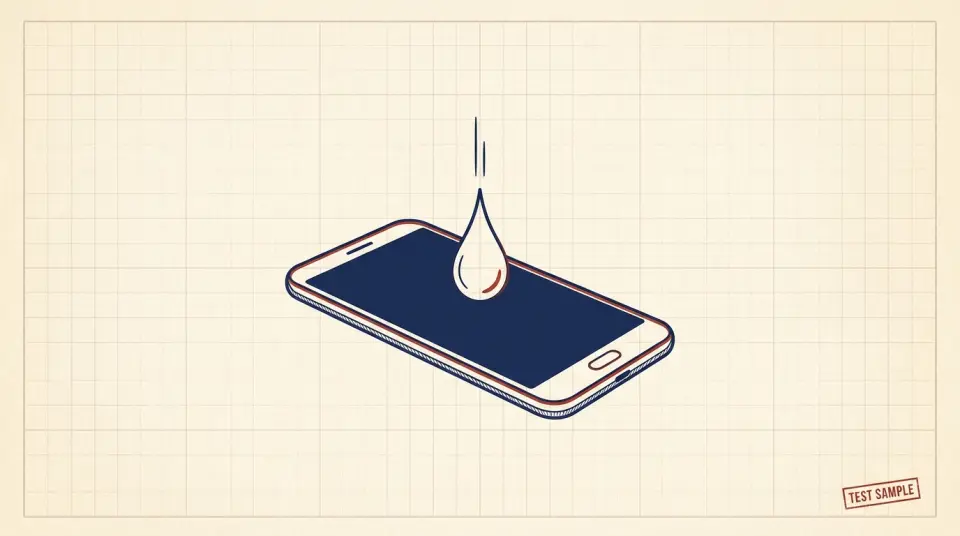
Today, this sabotage has evolved. It’s no longer just about thin filaments. It’s about 'Structural Hostility.' Take your smartphone, for example, a device held together by industrial-grade adhesives that would make a NASA engineer weep with joy. Manufacturers didn't switch from screws to glue for 'thinness.' They did it because glue is the ultimate gatekeeper. It turns a simple five-dollar battery replacement into a high-stakes surgery where one slip of the spudger cracks the screen.
Then there are the screws themselves. Apple famously popularized the 'Pentalobe' screw, a flower-shaped head that exists for the sole purpose of ensuring your standard toolbox is useless. It’s the mechanical equivalent of a 'Keep Out' sign.
How do software updates make working devices feel obsolete?
But physical sabotage is messy. Software sabotage is clean. This is 'Functional Obsolescence.' Your two-year-old laptop isn't actually slow; it’s just being asked to run an OS update designed for hardware that doesn't exist yet.
It’s a poison pill delivered via Wi-Fi. A perfectly functional processor is throttled 'to save the battery,' which, coincidentally, is the same battery they glued shut three years ago. The circle of life is beautiful, isn't it?
Then we have 'Perceived Obsolescence.' This is the fashion industry’s bread and butter. Your winter coat isn't broken. It’s not cold. It’s just... the 'wrong' shade of beige. It has been culturally decommissioned by a magazine. Fast fashion companies like Shein or Zara have compressed the four seasons into 52 'micro-seasons.' If you aren't buying something new every Tuesday, you are technically a Victorian-era peasant in the eyes of the algorithm.
How did subscriptions replace ownership?
But the ultimate evolution of this racket isn't even a physical product. It’s the transition from 'Ownership' to 'Subscription.' Why sell you a hammer once when you can lease you the 'Right to Hit Nails' for $9.99 a month? This brings us to the Streaming Hydra. Ten years ago, Netflix was a miracle. It was the One Ring of content. But a monopoly is only profitable until the other studios realize they can build their own smaller, worse fortresses.
Now, you need five different services to watch the same amount of content you had in 2015. It’s a digital feudal system where you pay rent to five different landlords, and none of them will fix the plumbing. The worst part? You don't own any of it. If a licensing deal expires, that show you’ve watched six times simply vanishes. You aren't buying a library; you're paying for the privilege of looking at someone else's bookshelf.
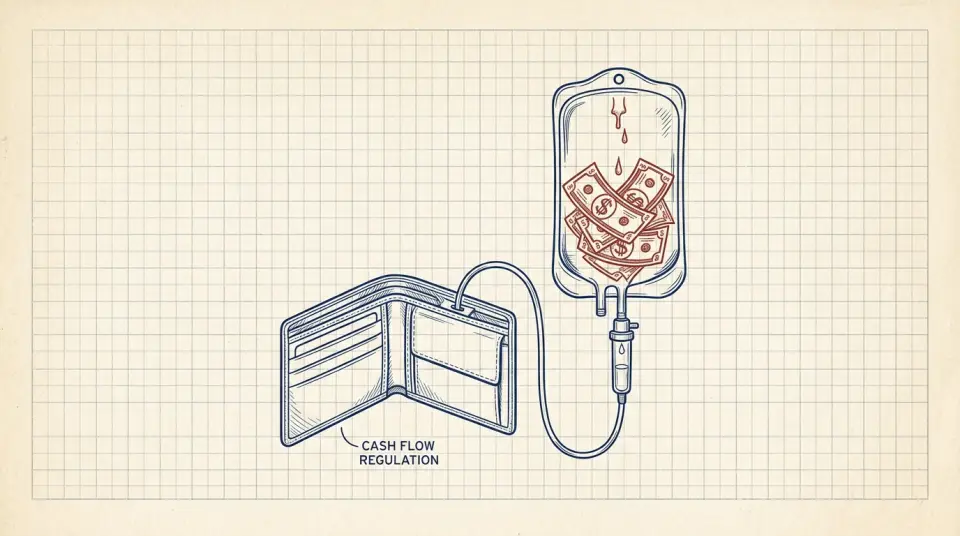
This is 'Digital Decay.' We are paying more for less permanence. The average household now spends over $200 a month on 'invisible taxes', subscriptions that drip-feed from your bank account while you sleep.
How do you buy things that can be repaired?
Take your feet. A pair of fast-fashion sneakers is designed to disintegrate in a single season. A pair of resoleable leather boots, bought once, will outlast ten of them, and when they finally wear, a cobbler fixes them for twenty dollars. Look for the 'Repairability Score.' Brands like Patagonia will literally fix your jacket for you. Companies like Framework build laptops where every single part, even the ports, can be swapped out with a simple screwdriver.
Reject the 'Glue Economy.' Support the Right to Repair. When a company fights against your right to fix what you bought, they aren't protecting their IP, they're protecting their right to sell you the same thing twice.
How do you escape streaming without paying more?
Now, let’s talk about the Great Streaming Escape. The most powerful tool in your arsenal is the 'Rotation.' You do not need Disney+, Max, and Hulu simultaneously. Use one. Cancel it. Move to the next. Streaming services rely on 'Forgotten Subscription Inertia.' They hope you’re too tired to click the three buttons required to stop them from taking your money. Don't prove them right.
If you want to go pro, build a media server. Applications like Jellyfin or Plex allow you to host your own files. It’s your own private Netflix, where the 'licensing deal' never expires because you own the hard drive. Pair this with a simple OTA antenna. High-definition local news and sports are literally floating through the air for free. It’s 1950s technology that defeats a 2024 billing department. It’s beautiful.
And then there’s the Library. Apps like Libby and Kanopy give you access to thousands of ebooks and movies for the staggering price of 'zero dollars.' Your taxes already paid for it, you might as well use it.
What does an owned life save over forty years?
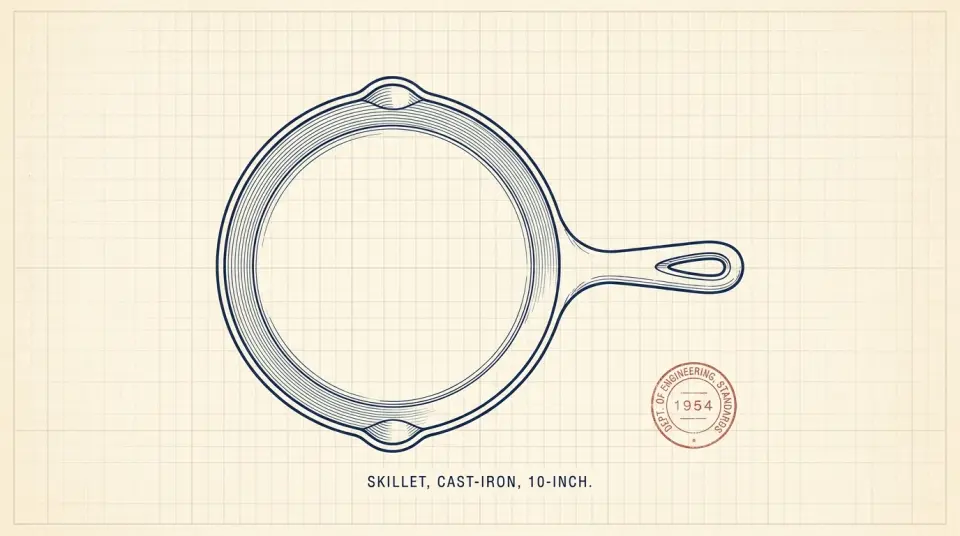
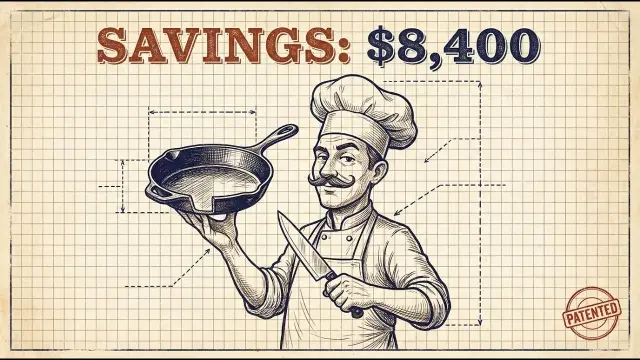
The shift from consumer to 'owner' requires a change in vision. You have to stop seeing products as 'conveniences' and start seeing them as 'investments.' A cast-iron skillet is a 100-year tool. A Teflon pan is a 2-year rental. When you buy a tool, ask: 'Can I open this?' If the answer is 'no,' you don't own it. You’re just holding it for the manufacturer until they decide it’s time for you to buy the next version.
Every time you choose a repairable, long-lasting, or one-time-purchase product, you are participating in a quiet rebellion. You are opting out of the Phoebus Cartel’s dream of a world that breaks on schedule. The ledger entry for this strategy is staggering. The difference between a 'Subscription Life' and an 'Owned Life' over forty years is often the difference between a stressed retirement and a comfortable one.
We’ve been trained to value the 'new' over the 'functional.' But there is a specific, quiet joy in using a fountain pen, a safety razor, or a 30-year-old stereo that still sounds better than a smart-speaker. These objects have 'soul' because they have history. They aren't designed to disappear. They are designed to stay. And in a world of intentional fragility, staying is the ultimate act of defiance.
Let’s look at the numbers. Replacing a $1,000 phone every two years vs. every five years saves you $9,000 over 20 years. That's not 'pennies', that's a down payment on a house, or a very nice boat. The 'convenience' of modern tech is often just a Trojan Horse for a permanent bill. If the lightbulb in Livermore can stay on for a century, your dishwasher can certainly last more than seven years.
What should you do when a device wants a subscription?
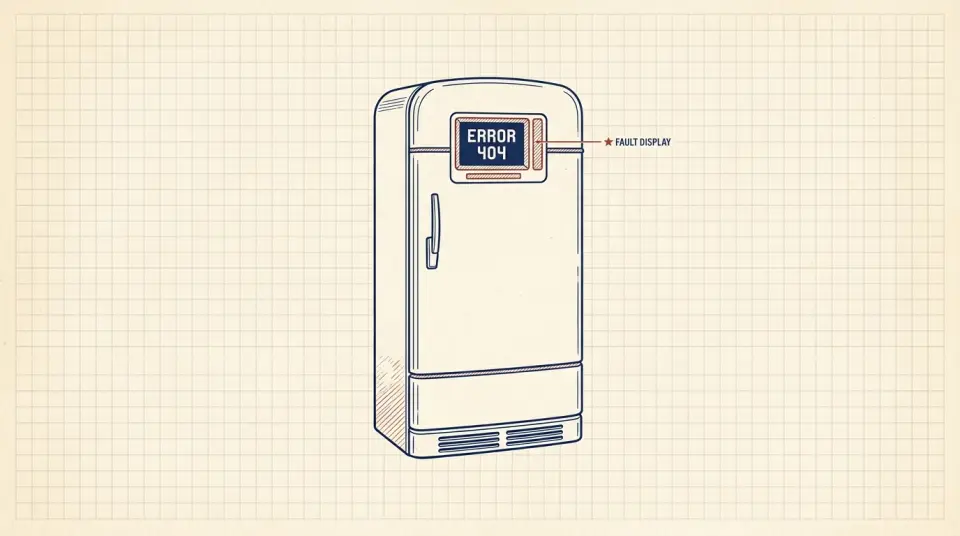
The next time your 'smart' fridge tells you it needs a software update to keep the milk cold, remember the Phoebus Cartel. Remember that you are being managed. You are a 'user' to them, not a customer. Own your tools. Own your media. Own your hardware. It takes more effort upfront to curate an 'Owned Life,' but the freedom from the monthly drip-feed is worth every second of research.
Stop letting companies engineer your poverty through a thousand small cuts. Check the directory, buy the better boots, and for heaven's sake, stop paying for six different ways to watch reruns of The Office. The best product is the one you only buy once. The second best is the one you can fix yourself. Everything else is just a very expensive way to generate trash for a landfill.
In conclusion: If it’s glued, it’s a rental. If it’s a subscription, it’s a tax. If it’s built to last, it’s an asset. Choose the assets. Final Ledger Entry: By switching to BIFL products and pruning the streaming hydra, the average viewer can reclaim $2,400 per year. That's $2,400 you no longer have to work for. That's true ownership.
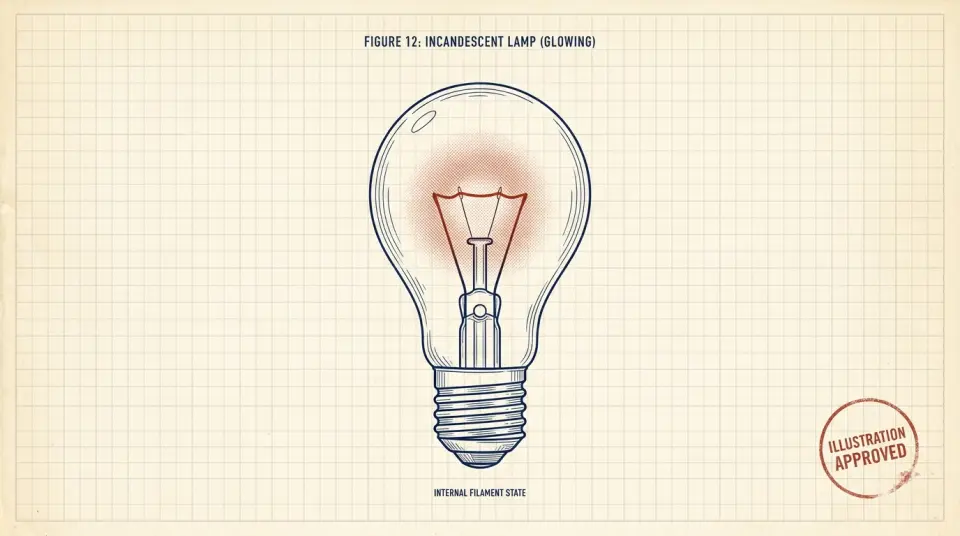
The lightbulb in Livermore is still burning. Your subscription to Paramount+ probably shouldn't be. Choose wisely. Check the links below for the Owned Life Directory and the repairability guides.
Watch this one on YouTube or subscribe to the channel for the next breakdown.