Articles / Subscriptions
I Cancelled Every Subscription for a Year — Here's What Actually Happened
I cancelled all twenty-one of my recurring subscriptions in one Saturday afternoon and tracked what happened for a full year, the withdrawal, the boredom, and the roughly eighteen hundred dollars that quietly stayed in my account. This is the real math, the dark patterns that keep you billed, and the handful of subscriptions I actually let back in.
What do 21 subscriptions add up to in a year?
On a Sunday afternoon in January, I opened a spreadsheet and typed in every recurring charge hitting my accounts. Twenty-one rows later, one number sat at the bottom: two thousand, two hundred forty-four dollars a year. Not stolen. Not fraud. Just... subscribed. That's the strange thing about subscriptions, no single charge feels big enough to fight. Fifteen dollars here, seven there, twelve somewhere else. It's death by a thousand auto-renewals, and almost nobody adds up the total until they're forced to look.
How subscription pricing and cancellation friction work
Subscription pricing is a machine built on one trick: anchor low, bill often. A ninety-nine-dollar product feels expensive. The same value at eight dollars a month feels like nothing, even though, over a year, you've paid more for less.
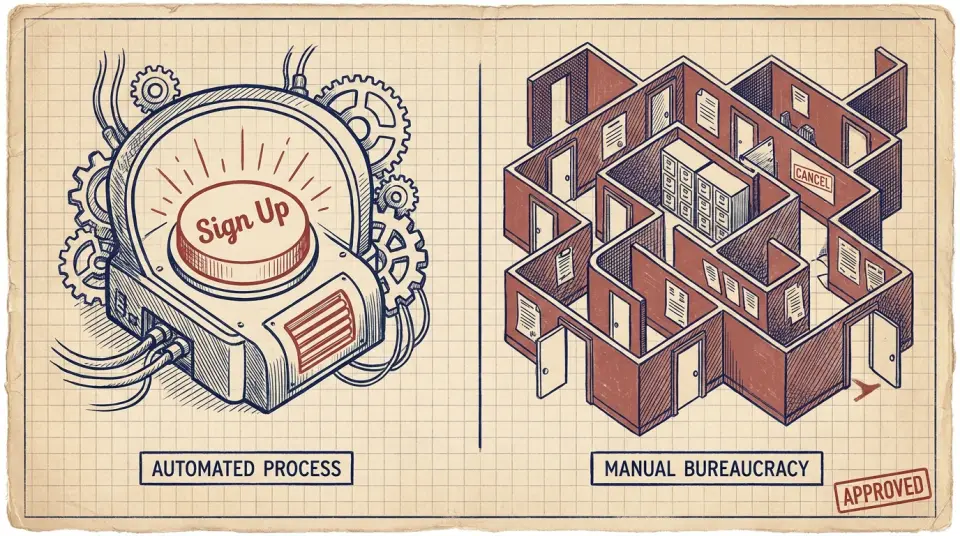
The second gear in that machine is friction. Signing up takes one click. Cancelling, for years, required showing up in person or mailing a certified letter. The exit is engineered to be harder than the entrance, on purpose. In 2023, the FTC sued Amazon over exactly this, alleging Prime's cancellation flow was buried behind so many screens that engineers internally nicknamed it 'Iliad,' after the epic. The longer you stay confused, the longer you stay billed.
The $187 a month in streaming, software and gym fees
My own audit had three streaming services alone. Netflix was fifteen dollars and forty-nine cents a month. Disney Plus added another fourteen. HBO Max stacked on almost sixteen more, and I'd watched exactly one show on it since March. Then came the software. Adobe's Creative Cloud ran fifty-five dollars a month for programs I opened four times a year. Dropbox added twelve more. A gym I hadn't entered since summer was quietly billing forty-five dollars, on schedule, every month.
Add music, meal kits, a meditation app, and two free trials I'd forgotten to cancel, and the machine totaled one hundred eighty-seven dollars a month. Ledger entry: that's two thousand, two hundred forty-four dollars a year, for convenience I mostly wasn't using.
What happened after cancelling all 21 in one day?
So I did the obvious, unglamorous thing: I sat down on a Saturday with my bank statement and cancelled every single one. Not a detox, not a trial, all twenty-one, gone in about ninety minutes, one browser tab at a time.
The first casualty was muscle memory. Friday night, I opened Netflix out of pure reflex before remembering I'd cancelled it four days earlier. The app was still on my phone. The habit outlived the subscription by a solid week. Spotify was harder. Music had been ambient wallpaper for a decade, always on, never chosen. Without it, my apartment had actual silence for the first time since college, and silence, it turns out, takes some getting used to.
Without an algorithm queuing up the next thing, I hit a strange wall: what do I even want to watch, or hear, or read? Years of recommendation engines had quietly done my deciding for me. Losing them meant relearning my own taste.
Week three was the low point. I was bored in a way that felt almost embarrassing for a grown adult, no queue, no feed, no autoplay countdown. It wasn't sad exactly. It was just quiet, and I didn't yet trust the quiet.
Free alternatives and the first savings
Then the boredom did something useful: I got a library card again, downloaded Kanopy through it for free films, and put a fifteen-dollar antenna on the window for local channels. The itch didn't need a subscription. It needed an alternative. The first real win showed up on a bank statement: one hundred eighty-seven dollars simply stayed in the account. Not saved in some abstract sense, visibly, monthly, sitting there undisturbed. Ledger entry: month one, zero new subscription debits, first time in years.
The second win was quieter. Without four apps competing for attention, my screen time dropped by roughly ninety minutes a day, matching what researchers have measured for people who remove autoplay-driven apps entirely. The third win surprised me most: decision fatigue dropped. Twenty-one monthly renewal decisions became zero. I wasn't reconsidering my gym, my cloud plan, or my meal kit every thirty days, I'd made the call once, and the machine stopped asking.
I also found free versions of nearly everything I'd been renting. Plex organized the movies I already owned. My library's ebook app covered most new releases. The paid version had rarely been buying convenience, mostly, it had been buying not-looking. Auditing also surfaced the ugly part: two 'free trials' had been quietly charging me nine dollars and ninety-nine cents monthly for over a year. Nobody stole that money. I just never looked. Ledger entry: roughly one hundred twenty dollars, gone to nothing at all.
Which subscriptions were worth bringing back?
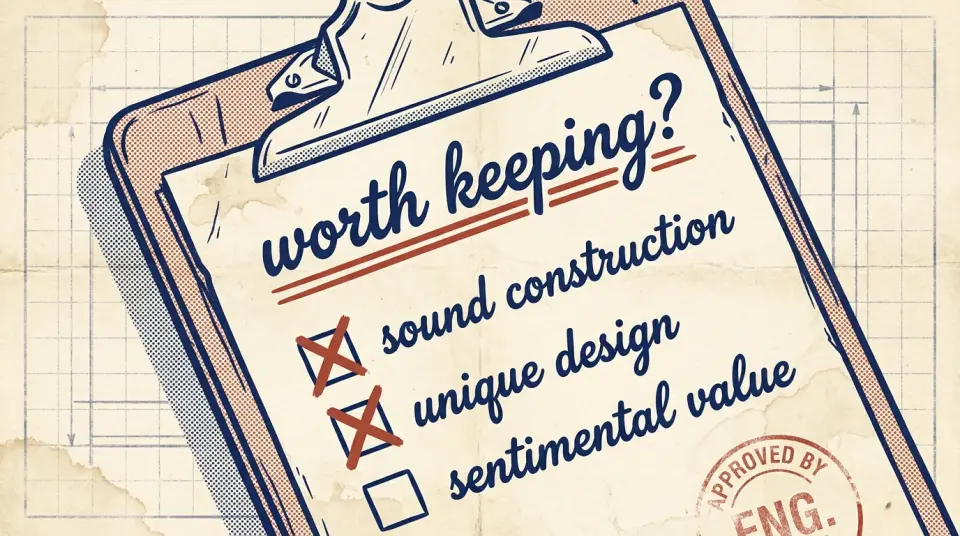
None of this makes me a purist. After eight months, I let a few things back in, but only under one rule: it had to earn its spot every single month, not just the first one. Cloud backup was the first return. Losing a decade of photos to a dead hard drive costs far more than paying six dollars a month to keep them safe forever. Some subscriptions aren't a tax, they're insurance, and insurance is worth buying.
I also resubscribed to one streaming service, on purpose, for exactly one month, to watch a show everyone was talking about, then cancelled it again the day the finale aired. Renting the moment, not the habit, cost about fifteen dollars total. That became my rule for anything new: wait two weeks before subscribing, and ask if I'd still want it without the free trial's countdown timer creating fake urgency. Almost nothing survives two weeks of actually wanting it.
One-time purchases versus five years of subscription
For the things I used constantly, I went hunting for one-time-purchase versions of the same job. One photo editor does most of what the subscription version does, for a single seventy-dollar payment, no monthly fee, ever again, for the software itself. Run that forward five years and the subscription would have cost about three thousand three hundred dollars. The one-time alternative cost seventy dollars once. That gap, roughly three thousand two hundred dollars, is the whole argument in one comparison.
Same story with office software: a single lifetime license ran around fifty dollars, against a subscription's seventy dollars a year. By year three, the subscription had already cost more than owning the program outright, forever, would ever cost me.
The year one ledger: $1,800 saved
Add it up and year one's ledger read: two thousand, two hundred forty-four dollars in cancelled subscriptions, minus roughly four hundred spent on backup, one streaming month, and two one-time software licenses. Net saved: just over eighteen hundred dollars.
But the money undersells it. The bigger change was mental, fewer apps competing for my attention, fewer little decisions demanding renewal, fewer moments of half-noticing a charge and thinking 'I should look into that' and then not looking. There's a specific calm to owning something outright, knowing it can't quietly reprice itself, get bought by a private equity firm, or vanish behind a paywall update next March. Rented convenience always answers to someone else's quarterly earnings call.
Run the eighteen hundred dollars forward, invested at a conservative seven percent a year, and it becomes roughly twenty-five thousand dollars over two decades. That's not a hypothetical, that's what a cancelled gym membership can compound into. A year later, my recurring bills are almost boring: rent, insurance, backup, and phone service. Everything else, I own outright or borrow for free. Evenings are quieter, not because I'm disciplined, but because there's simply less pulling at me.
Would I go back? For one or two things, briefly, gladly. For the other nineteen, no. I don't miss the shows. I miss, occasionally, the not-thinking. But not-thinking was never actually free. It cost one hundred eighty-seven dollars a month. The subscriptions didn't make me happier, and cancelling them didn't either, not directly. What changed was quieter than that: I stopped renting my attention back from companies that were never going to give it to me for less.
Watch this one on YouTube or subscribe to the channel for the next breakdown.